
- 1 - History and Origins of Spanish Sausage Stew
- 2 - Essential Ingredients for Authentic Flavor
- 3 - Preparing Your Ingredients
- 4 - Step-by-Step Cooking Process
- 5 - Tips for Enhancing Flavor
- 6 - Serving and Pairing Suggestions
- 7 - Variations and Regional Touches
- 8 - Common Mistakes to Avoid
- 9 - Storing and Reheating Your Stew
- 10 - Why Rubi Spanish Table Is Your Resource
1. History and Origins of Spanish Sausage Stew
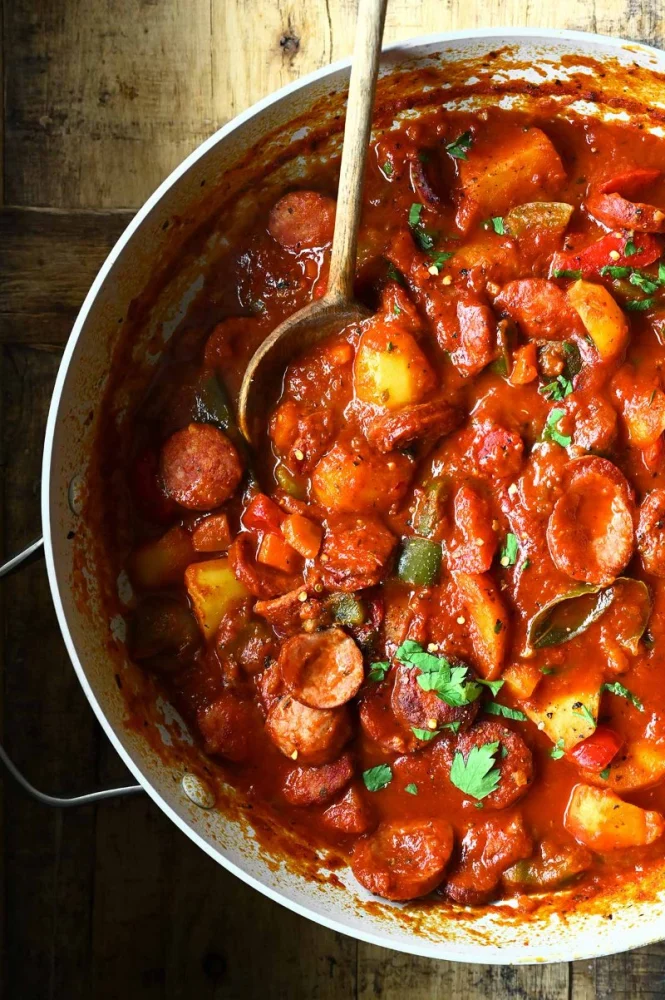
Spanish sausage and potato stew, known locally as “Estofado de Chorizo y Patatas”, is a classic comfort dish with roots in rural Spain. Historically, this stew emerged as a hearty meal for farmers and laborers, designed to provide warmth and sustenance during long workdays. The combination of robust chorizo and tender potatoes created a dish that was simple, economical, and packed with flavor.

1.1 Cultural Significance
Beyond sustenance, the stew became a symbol of Spanish culinary tradition, often served during family gatherings and festive occasions. Each region added its twist, incorporating local spices and vegetables.

2. Essential Ingredients for Authentic Flavor
To create an authentic Spanish sausage and potato stew, focus on quality ingredients. Traditional recipes emphasize natural, fresh components.
2.1 Spanish Sausage
Chorizo is the star of this dish. Use Spanish smoked paprika chorizo for deep, smoky flavor. The type of chorizo affects both the texture and aroma.
2.2 Potatoes
Waxy potatoes, like Yukon Gold, are ideal for stews. They hold their shape during cooking while absorbing the flavorful broth.
2.3 Aromatics and Spices
Garlic, onions, and bell peppers are essential. Add smoked paprika and bay leaves for an unmistakably Spanish taste. Optional touches include a hint of saffron for color and aroma.
2.4 Broth and Liquids
Chicken or beef broth forms the stew base. Some recipes incorporate white wine or tomato puree to enhance depth of flavor.
3. Preparing Your Ingredients
Proper preparation ensures a stew that is rich, cohesive, and satisfying.
3.1 Cutting the Sausage
Slice chorizo into bite-sized rounds or half-moons. Avoid overly thin slices, which can disintegrate during cooking.
3.2 Chopping Vegetables
Dice onions, bell peppers, and garlic evenly. Uniform size ensures even cooking and consistent texture.
3.3 Preparing Potatoes
Peel and cube potatoes into approximately 1-inch pieces. Soaking them briefly in cold water helps remove excess starch for a creamier broth.
4. Step-by-Step Cooking Process
Following a structured process ensures the stew develops deep, authentic flavors.
4.1 Sauté Aromatics
Heat olive oil in a heavy-bottomed pot. Sauté onions, garlic, and bell peppers until fragrant and slightly caramelized.
4.2 Brown the Sausage
Add chorizo slices and cook until lightly browned. This step releases oils and deepens the stew’s flavor profile.
4.3 Build the Broth
Incorporate paprika, bay leaves, and optional tomato paste. Pour in chicken or beef broth, stirring to deglaze the pan and lift caramelized bits.
4.4 Cook Potatoes
Add potatoes to the simmering broth. Cover and let the stew cook gently for 25–30 minutes until potatoes are tender.
4.5 Final Touches
Adjust seasoning with salt, pepper, and a splash of olive oil before serving. Fresh parsley can add a bright finish.
5. Tips for Enhancing Flavor
5.1 Slow Simmer
Low and slow cooking allows the sausage’s smoky essence to permeate the potatoes and broth, creating a rich, cohesive flavor.
5.2 Layering Ingredients
Add ingredients in stages—aromatics first, then sausage, then potatoes and liquids—to achieve maximum depth.
5.3 Optional Garnishes
A drizzle of high-quality olive oil or a sprinkle of smoked paprika before serving intensifies aroma and presentation.
6. Serving and Pairing Suggestions
Serve the stew hot with crusty bread to soak up the flavorful broth. A simple green salad complements the richness of the dish.
6.1 Wine Pairing
Pair with a robust Spanish red wine like Tempranillo or Garnacha to enhance the meal’s authenticity.
7. Variations and Regional Touches
7.1 Northern Spain
In Galicia and Asturias, some recipes include potatoes, chorizo, and local greens, adding a subtle bitterness to balance richness.
7.2 Southern Spain
Andalusian versions might feature paprika-heavy chorizo with roasted peppers, giving the stew a slightly smoky-sweet flavor.
8. Common Mistakes to Avoid
8.1 Overcooking Potatoes
Potatoes that cook too long become mushy. Check periodically for doneness to maintain texture.
8.2 Using Low-Quality Sausage
The sausage flavor defines the stew. Using substandard sausage will significantly reduce authenticity.
8.3 Ignoring Seasoning Adjustments
Season gradually and taste as you go to prevent overly salty or bland results.
9. Storing and Reheating Your Stew
Store leftovers in airtight containers in the refrigerator for up to 3 days. Reheat gently on low heat to maintain flavor and texture. This stew often tastes even better the next day as flavors meld.
10. Why Rubi Spanish Table Is Your Resource
Rubi Spanish Table provides authentic Spanish ingredients, detailed recipes, and culinary guidance to help home cooks recreate traditional dishes like authentic Spanish sausage and potato stew. By sourcing the right chorizo, spices, and fresh produce, you can bring an authentic Spanish dining experience to your home kitchen.
With careful ingredient selection, attentive cooking, and guidance from Rubi Spanish Table, preparing an authentic Spanish sausage and potato stew becomes a rewarding culinary experience, connecting you with centuries of Spanish culinary tradition.


 Spanish River Grill & Wine Bar4.0 (179 reviews)
 Brendalys5.0 (4 reviews)
 West Bistro NJ4.0 (77 reviews)
 Barcelona Tapas Restaurant4.0 (744 reviews)
 Gusto y Sabor4.0 (123 reviews)
 Maria's And Mix Kitchen4.0 (47 reviews)
 Spanish Tapas Recipes for Game Night
 How to Make Spanish Croquetas de Bacalao: Cod Croquettes at Home
 The Best Spanish Food Markets in Alicante
 How to Make Spanish Churros con Azúcar y Canela: Cinnamon Sugar Fried Dough Recipe
 How to Make Restaurant-Style Spanish Paella at Home
 The Best Spanish Restaurants in Charlotte for Mediterranean Cuisine