
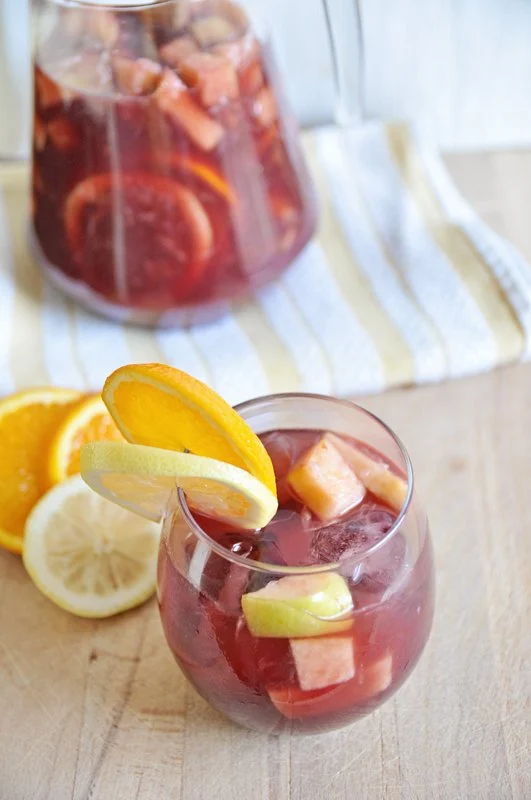
- - Easy-Spanish-Sangria-with-Sparkling-Water-Overview
- - What-Makes-Sparkling-Sangria-Different
- - Essential-Ingredients-for-Authentic-Flavor
- - Step-by-Step-Preparation-Guide
- - Flavor-Variations-and-Creative-Twists
- - Real-Life-Hosting-Stories-and-Party-Ideas
- - Common-Mistakes-to-Avoid
- - Best-Food-Pairings-for-Sangria
- - Serving-Tips-for-Summer-and-Events
- - Cultural-Roots-of-Spanish-Sangria
Easy Spanish Sangria with Sparkling Water: A Refreshing Twist on a Classic
There’s something undeniably social about sangria. It’s the kind of drink that doesn’t just sit quietly in a glass—it gathers people around the table. The modern version known as Easy Spanish Sangria with Sparkling Water has become especially popular in the United States, where home entertainers love lighter, more refreshing cocktail options that still carry that Mediterranean charm.
Unlike traditional sangria, which can be heavier due to wine and added sugars, this sparkling version introduces a crisp, bubbly lift that makes it perfect for warm afternoons, backyard gatherings, or relaxed weekend dinners. It keeps the essence of Spanish tradition alive while adapting beautifully to modern tastes.

What Makes Sparkling Sangria Different
1. The Role of Sparkling Water
The key difference lies in the use of sparkling water instead of additional sweeteners or soda. This creates a lighter drink that still feels festive without overwhelming sweetness. The bubbles also enhance the aroma of fruits, making each sip feel fresher and more dynamic.

Bistro Basque
MilfordSouth Central Connecticut Planning RegionConnecticut
13/17 River St, Milford, CT 06460, USA
2. Balanced Alcohol Content
Traditional sangria can sometimes be quite strong depending on the wine and added liqueurs. The sparkling version naturally dilutes the alcohol slightly, making it more session-friendly for long social events.
3. Enhanced Freshness
Because sparkling water lifts the citrus and fruit flavors, the drink feels more refreshing, especially during hot summer months. It’s a modern twist that aligns well with health-conscious drinking trends.
Essential Ingredients for Authentic Flavor
Even though this is a simplified recipe, the foundation of a good sangria still depends on quality ingredients. Each component plays a specific role in balancing flavor and aroma.
1. Red Wine Base
A dry Spanish red wine such as Tempranillo or Garnacha is commonly used. These wines bring deep fruit notes without excessive sweetness.
2. Fresh Fruits
Oranges, lemons, apples, and berries are classic choices. The fruit not only infuses flavor but also becomes part of the presentation.
3. Sparkling Water
The final addition of chilled sparkling water gives the drink its signature lightness and fizz.
4. Optional Sweeteners and Spirits
Some variations include a small amount of honey, orange liqueur, or brandy for added depth. However, the goal of this version is to keep it easy and approachable.
Step-by-Step Preparation Guide
1. Preparing the Fruit Base
Start by slicing fresh fruit into bite-sized pieces. Letting the fruit sit in a bit of wine for at least one hour allows the flavors to blend naturally.
2. Mixing the Wine and Flavorings
Pour the red wine into a large pitcher. Add citrus juice or optional sweeteners depending on preference. Stir gently to combine.
3. Chilling for Flavor Development
Refrigerate the mixture for a few hours. This step is essential because sangria improves as the fruit infuses into the wine.
4. Adding Sparkling Water Before Serving
Right before serving, add chilled sparkling water. This ensures the bubbles remain fresh and lively, rather than going flat during storage.
Flavor Variations and Creative Twists
1. White Wine Version
Replacing red wine with white wine creates a lighter, more floral version often enjoyed in coastal Spanish regions.
2. Berry-Forward Sangria
Adding strawberries, blueberries, and raspberries creates a vibrant, slightly tart variation perfect for summer brunches.
3. Citrus-Heavy Blend
Extra oranges, limes, and even grapefruit can create a zesty profile that pairs well with grilled seafood dishes.
4. Herbal Infusion
Mint or basil leaves add a refreshing aromatic layer that enhances the drink’s complexity without overpowering it.
Real-Life Hosting Stories and Party Ideas
1. Backyard Summer Gathering
One host in California shared how she introduced Easy Spanish Sangria with Sparkling Water at a summer barbecue. Instead of heavy cocktails, guests gravitated toward the refreshing sangria bowl, which quickly became the centerpiece of the evening.
2. Spanish-Themed Dinner Night
A couple in New York recreated a tapas-style dinner and paired it with homemade sangria. The sparkling version helped balance rich dishes like patatas bravas and grilled chorizo.
3. Community Potluck Surprise
At a neighborhood potluck, a simple sangria recipe became the most requested drink of the night. Guests appreciated its lightness and visual appeal.
Common Mistakes to Avoid
1. Adding Sparkling Water Too Early
This is one of the most common errors. Adding it too soon causes the drink to lose its fizz before serving.
2. Over-Sweetening the Mix
Many beginners add too much sugar or syrup, which can overpower the natural fruit flavors.
3. Using Low-Quality Wine
Since wine is the base of the drink, choosing a poor-quality bottle will directly affect the final taste.
Best Food Pairings for Sangria
This refreshing cocktail pairs well with a variety of dishes, making it a versatile choice for entertaining.
- Spanish tapas like olives and cured meats
- Grilled chicken or seafood
- Fresh salads with citrus dressing
- Cheese boards with soft and aged cheeses
The balance of fruit, acidity, and bubbles makes it especially effective at cutting through richer foods.
Serving Tips for Summer and Events
1. Use a Clear Pitcher
Showing off the colorful fruit enhances presentation and makes the drink more inviting.
2. Keep Ingredients Chilled
Cold ingredients help maintain freshness and prevent dilution from melting ice.
3. Add Ice Strategically
Ice should be added just before serving to preserve flavor strength.
Cultural Roots of Spanish Sangria
Sangria has deep roots in Spanish culinary tradition, originally created as a way to enhance wine with seasonal fruits and spices. Over time, it evolved into a social beverage shared at gatherings, festivals, and family meals.
The modern sparkling variation reflects how global influences and contemporary tastes have reshaped traditional recipes while still honoring their origins. Platforms like Rubi Spanish Table often highlight these cultural connections through curated ingredients and authentic Spanish-inspired products.
Easy Spanish Sangria with Sparkling Water represents more than just a drink—it’s a blend of tradition, creativity, and modern lifestyle preferences that continues to evolve with every home cook who tries it.

 Bulla Gastrobar4.0 (12370 reviews)
 Boqueria Flatiron4.0 (2233 reviews)
 Ibiza Restaurant Hamden4.0 (325 reviews)
 Casa Galicia4.0 (231 reviews)
 Fideua Taste of Spain5.0 (174 reviews)
 Barcelona Wine Bar4.0 (746 reviews)
 The Best Spanish Restaurants in Tampa: Top Spots for Authentic Flavors
 Traditional Spanish Seafood with Slow Simmered Broth: A Delicious Culinary Experience
 Spanish Dinner Recipes with Traditional Techniques: A Flavorful Experience
 The Best Spanish Food Markets in Alicante
 How to Make Spanish Pimientos Rellenos de Setas y Jamón: Mushroom and Ham Stuffed Peppers
 Gluten-Free Spanish Recipes That Taste Amazing