
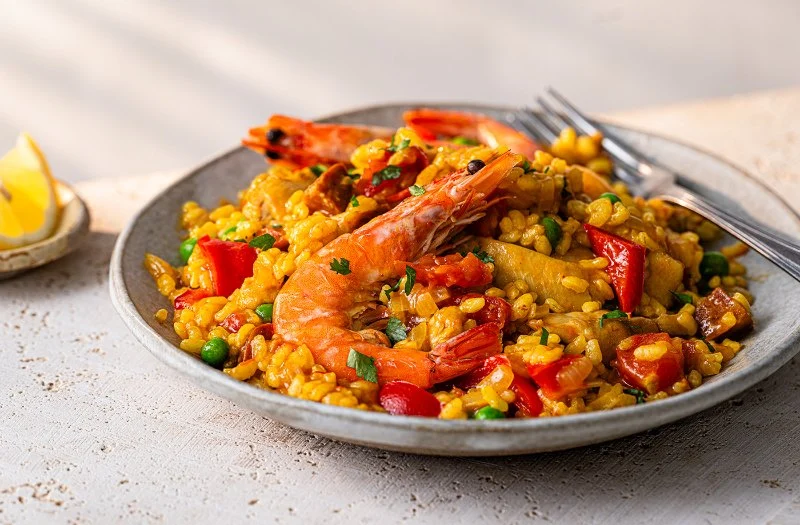
Spanish Dinner Recipes with Traditional Techniques: A Flavorful Experience
- The Essence of Spanish Cuisine
- Key Traditional Techniques in Spanish Cooking
- Classic Spanish Dinner Recipes to Try
- A Family's Spanish Dinner Tradition
- Expert Tips for Perfecting Your Spanish Cooking
The Essence of Spanish Cuisine
Spanish cuisine is known for its rich flavors, bold combinations, and variety of regional specialties. Each part of Spain brings its own unique twist to the table, but one thing remains constant: the use of fresh, high-quality ingredients. Traditional Spanish dinner recipes are the perfect way to experience this vibrant culture, with dishes that range from simple and comforting to complex and elegant. Understanding the basic techniques and flavors that define Spanish cooking is essential to recreating these dishes at home.

Key Traditional Techniques in Spanish Cooking
To truly master Spanish dinner recipes, it’s important to grasp the key cooking techniques that make the cuisine so unique. These techniques have been passed down through generations and are integral to creating authentic dishes:
- Sauteing (Sofrito): A base for many Spanish dishes, sofrito is made by gently sautéing onions, garlic, and tomatoes in olive oil. This creates a rich, flavorful foundation for stews, soups, and sauces.
- Slow Cooking: Many Spanish recipes, especially those from regions like Catalonia and Andalusia, require slow cooking to bring out deep, complex flavors. This technique is used in dishes like cocido (stew) and paella.
- Grilling: Spain’s love for grilling is evident in dishes like churrasco (grilled meats) and escalivada (grilled vegetables). The technique imparts a smoky flavor that is distinct in Spanish cuisine.
- Frying (Fritura): Fried foods are a staple in Spanish cooking, from tapas like calamari and croquettes to the iconic tortilla española (Spanish omelet). The technique requires high heat and careful attention to prevent overcooking.
Classic Spanish Dinner Recipes to Try
Here are a few iconic Spanish dinner recipes that embody the traditional techniques mentioned above. These dishes are perfect for bringing a taste of Spain to your home kitchen:
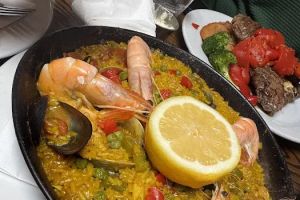
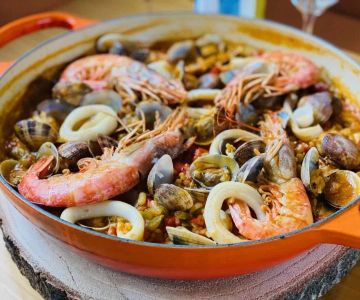
- Paella Valenciana: This world-famous rice dish is cooked with saffron, seafood, or meat, and vegetables. Paella requires the right balance of flavors, cooked slowly in a wide, shallow pan to achieve the signature “socarrat” (crispy bottom).
- Gazpacho: A refreshing cold soup made from tomatoes, cucumbers, peppers, and garlic, blended together with olive oil and vinegar. This dish is perfect for warm weather and showcases the freshness of Spanish ingredients.
- Patatas Bravas: Fried potato cubes served with a spicy tomato sauce. A classic tapa, this dish highlights the Spanish love for fried food and bold flavors.
- Tortilla Española: A simple yet satisfying Spanish omelet made with potatoes, onions, and eggs. It’s a beloved dish that can be eaten hot or cold and is commonly served as a tapa or light meal.
A Family's Spanish Dinner Tradition
Let’s take the story of Carlos, a second-generation Spaniard in the U.S., who grew up watching his grandmother prepare the family’s signature paella. Every Sunday, the family would gather around the table, and the aroma of saffron and grilled seafood would fill the air. Carlos learned the importance of patience and precision in Spanish cooking, especially when making dishes like paella. His passion for Spanish cuisine was ignited through these meals, and now he continues the tradition with his own family, ensuring that every dish is prepared with care and respect for the culture. This is a perfect example of how food can carry the essence of tradition and bring people together.
Expert Tips for Perfecting Your Spanish Cooking
To help you get started with Spanish cooking at home, here are some expert tips to perfect your dishes:
- Invest in Good Quality Olive Oil: Olive oil is a cornerstone of Spanish cuisine. Make sure to choose extra-virgin olive oil for its rich flavor and health benefits.
- Don’t Rush the Process: Spanish cooking often requires patience, especially when making slow-cooked dishes like cocido or paella. Give your dishes the time they need to develop their full flavors.
- Use Fresh, Local Ingredients: Spanish cuisine relies heavily on fresh, seasonal ingredients. Whenever possible, try to source local produce to enhance the authenticity of your meals.
- Experiment with Regional Variations: Spain is a country with diverse regions, each with its own specialties. Don’t be afraid to explore dishes from different areas, such as Basque pintxos or Andalusian salmorejo (tomato-based cold soup).

 Segovia Restaurant4.0 (2529 reviews)
 Ranchito catracho4.0 (5 reviews)
 Manolo Tapas4.0 (1147 reviews)
 The Singing Sliders4.0 (2 reviews)
 Javier's Mini Market4.0 (25 reviews)
 Barrio Español4.0 (232 reviews)
 How to Make Spanish Churros with Chocolate Sauce: A Step-by-Step Guide
 Exploring Traditional Spanish Brunch and Breakfast Recipes
 Exploring the Regional Cuisines of Spain: A Culinary Journey Through Spain’s Flavors
 Best Spanish Appetizers for Dinner Parties
 Discovering Spanish Food Markets in Spain That Inspire Recipes
 How to Make Spanish Churros Rellenos: A Step-by-Step Guide to Filled Churros