
- - cultural roots and regional history of Spanish seafood soup traditions
- - key ingredients and how they shape authentic sopa de mariscos flavor
- - step-by-step cooking method with broth-building techniques
- - real kitchen story of coastal Spanish cooking experience
- - seasoning balance, seafood selection, and cooking timing insights
- - serving traditions and modern adaptations in American home kitchens
Why Traditional Spanish Seafood Soup Remains a Coastal Culinary Treasure
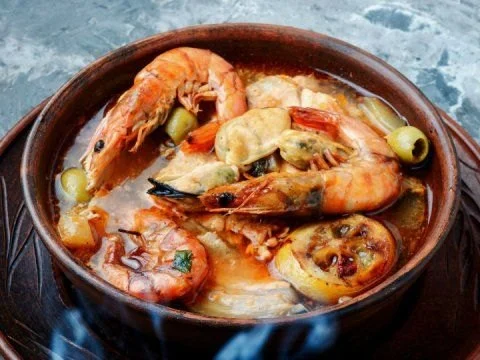
Exploring the Traditional Spanish Seafood Soup (Sopa de Mariscos) Recipe is more than learning a dish—it is stepping into centuries of coastal Spanish cooking culture. This soup is deeply rooted in regions like Galicia, Andalusia, and Valencia, where fresh seafood has always been a daily essential rather than a luxury.
Unlike many modern seafood soups that rely on heavy cream or shortcuts, traditional Spanish versions focus on building flavor through slow simmering, aromatic vegetables, and the natural richness of seafood shells and bones.
The cultural meaning behind sopa de mariscos
In many Spanish coastal communities, seafood soup is tied to family gatherings, fishing traditions, and Sunday meals shared after early morning market visits. It is a dish that reflects patience, respect for ingredients, and seasonal awareness.
A fisherman’s wife in southern Spain once described it simply: “You don’t rush the sea into a pot—you let it speak slowly.”

Core Ingredients That Define Authentic Flavor
To understand the Traditional Spanish Seafood Soup (Sopa de Mariscos) Recipe, you must first understand its foundation. The ingredients are simple, but their quality and freshness determine everything.
The seafood base that creates depth
Authentic versions typically include shrimp, mussels, clams, squid, and sometimes white fish. The shells and heads of shrimp are often used to create a rich broth that carries deep ocean flavor.
Aromatic vegetables and Mediterranean balance
Onions, garlic, tomatoes, and bell peppers form the flavor base. These ingredients are slowly sautéed in olive oil to release sweetness and depth before any liquid is added.
Spices and finishing elements
Smoked paprika (pimentón), saffron, and fresh parsley are commonly used to finish the dish. These ingredients add warmth, color, and unmistakable Spanish identity.
A Coastal Kitchen Story: Cooking Like Locals in Valencia
A memorable example of the Traditional Spanish Seafood Soup (Sopa de Mariscos) Recipe comes from a small seaside cooking class in Valencia. Visitors were taken to a morning fish market before being guided into a family kitchen overlooking the harbor.
The importance of fresh market selection
The instructor insisted that the entire flavor of the soup begins at the market. Choosing seafood that “smells like the sea, not fish” was the first lesson.
The slow-building broth technique
Instead of rushing, the broth was built in layers. Shrimp shells were toasted, vegetables were slowly softened, and seafood stock simmered gently for nearly an hour before the actual seafood was added.
Participants noted that the aroma alone felt like standing on the Mediterranean coast.
Step-by-Step Traditional Cooking Method
Preparing the Traditional Spanish Seafood Soup (Sopa de Mariscos) Recipe requires patience and attention to layering flavors correctly.
Step 1: Building the seafood stock
Begin by sautéing shrimp shells in olive oil until fragrant. Add water and simmer to extract deep flavor. This forms the backbone of the soup.
Step 2: Creating the sofrito base
Onions, garlic, and tomatoes are cooked slowly until caramelized. This step is essential for developing natural sweetness and depth.
Step 3: Adding spice and body
Smoked paprika and saffron are stirred in carefully to avoid burning. This step gives the soup its signature golden-red color and aromatic complexity.
Step 4: Introducing seafood in stages
Firm seafood like squid is added first, followed by clams and mussels. Shrimp and delicate fish are added last to prevent overcooking.
Step 5: Final seasoning and resting
Fresh parsley and a touch of sea salt are added at the end. The soup is allowed to rest briefly so flavors can harmonize naturally.
Common Mistakes When Making Sopa de Mariscos
Even experienced cooks can struggle with the Traditional Spanish Seafood Soup (Sopa de Mariscos) Recipe if key details are overlooked.
Overcooking seafood
One of the most common mistakes is leaving seafood in the pot too long, resulting in a rubbery texture that loses its natural sweetness.
Skipping the shell-based broth
Many home cooks skip using shells for stock, which significantly reduces depth of flavor. The broth is the heart of the dish.
Overcomplicating seasoning
Traditional Spanish cooking relies on simplicity. Too many spices can overpower the natural seafood profile.
Regional Variations Across Spain’s Coastline
The Traditional Spanish Seafood Soup (Sopa de Mariscos) Recipe varies depending on region, reflecting local seafood availability and cultural influences.
Galician coastal style
In Galicia, soups often feature a more broth-forward approach with emphasis on shellfish like clams and mussels.
Andalusian richer versions
Southern Spain tends to incorporate deeper paprika notes and sometimes thicker broth textures.
Valencian influence
Valencia often blends seafood soup techniques with rice-based cooking traditions, creating hybrid dishes that resemble light stews.
Modern Home Adaptations in the United States
In American kitchens, the Traditional Spanish Seafood Soup (Sopa de Mariscos) Recipe has become popular among home cooks seeking Mediterranean-inspired comfort food.
Since access to fresh Mediterranean seafood can vary, many cooks adapt the recipe using frozen shellfish blends while still maintaining authentic broth techniques.
Home cooks in coastal cities like Miami and San Diego often recreate this dish as a weekend centerpiece, pairing it with rustic bread and white wine.
Why Ingredient Quality Defines the Entire Dish
No matter how carefully the recipe is followed, the success of the Traditional Spanish Seafood Soup (Sopa de Mariscos) Recipe depends heavily on ingredient freshness.
Freshness vs convenience
Fresh seafood creates naturally sweet and clean flavors, while older or low-quality seafood can introduce bitterness or strong odors that disrupt balance.
Olive oil as a foundational element
High-quality Spanish olive oil enhances both aroma and texture, tying all ingredients together in a cohesive flavor profile.
Serving Traditions and Dining Experience
Traditionally, sopa de mariscos is served hot in deep ceramic bowls, often accompanied by crusty bread to soak up the broth.
Family-style presentation
In Spanish households, the dish is typically placed at the center of the table, encouraging shared serving and communal dining.
Modern pairing suggestions
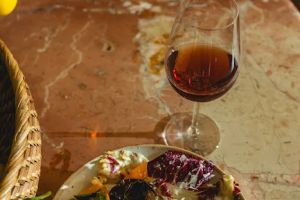
Light white wines or dry rosés are often paired with seafood soup to complement its briny and aromatic profile.
Bringing Authentic Spanish Cooking Into Your Home Kitchen
Learning the Traditional Spanish Seafood Soup (Sopa de Mariscos) Recipe is about more than following steps—it is about respecting the rhythm of slow cooking and quality ingredients.
For home cooks looking to explore authentic ingredients, seafood selections, and traditional Spanish cookware, Rubi Spanish Table offers curated resources that help bring genuine Mediterranean cooking experiences into everyday kitchens.
With patience, attention to detail, and respect for tradition, this dish transforms from a simple soup into a meaningful culinary experience that reflects the coastal heritage of Spain.
 Xunta Tapas Espana4.0 (226 reviews)
 Barcelona Wine Bar4.0 (1052 reviews)
 BCN Taste & Tradition4.0 (1130 reviews)
 The Iberian Pig4.0 (2790 reviews)
 Paella Tapas Wine Bar Restaurant4.0 (147 reviews)
 Aritza4.0 (97 reviews)
 Discovering the Most Popular Spanish Tapas Recipes in the US
 How to Make Spanish Churros con Caramelo: Fried Dough with Caramel Sauce
 How to Make Spanish Tarta de Naranja: Orange Cake Recipe
 How to Make Spanish Tarta de Fresas con Crema: Strawberry Cream Cake
 The Best Spanish Food Markets in Alicante for Seasonal Fresh Produce
 Spanish Party Tapas Recipes for Large Groups to Delight Every Guest