- 1-popular-spanish-street-foods-and-their-history
- 2-tapas-and-pintxos-essentials
- 3-how-to-make-patatas-bravas-at-home
- 4-homemade-churros-with-chocolate
- 5-spanish-omelette-tortilla-de-patatas-recipe
- 6-seafood-and-paella-snacks-for-street-style-cooking
- 7-tips-for-authentic-flavors-and-ingredients
- 8-real-stories-of-street-food-in-spain
- 9-how-to-create-your-own-spanish-street-food-night
- 10-where-to-find-best-spanish-ingredients
1. Popular Spanish Street Foods and Their History
Spain is renowned for its vibrant street food culture, blending centuries of tradition with modern culinary creativity. From bustling markets in Madrid to seaside stalls in Barcelona, Spanish street foods are deeply rooted in local culture. Classic items like churros, patatas bravas, and tortilla de patatas have stood the test of time, delighting locals and tourists alike.
The history of these foods often reflects the practical needs of busy urban dwellers who wanted affordable, filling, and flavorful options. For example, tapas originated as small plates meant to cover drinks (“tapar” means “to cover”), evolving into an essential part of Spanish dining culture.

2. Tapas and Pintxos Essentials
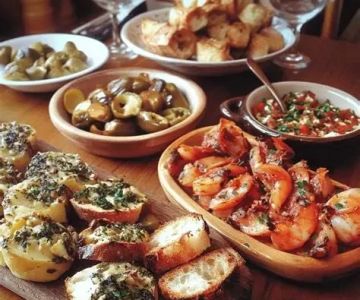
Understanding the basics of tapas and pintxos is key to recreating Spanish street food at home. Tapas are small plates served either as appetizers or to combine into a full meal. Pintxos, common in northern Spain, are often skewered items served on bread slices with toothpicks.
2.1 Choosing Ingredients
Freshness is crucial. Use high-quality olive oil, fresh vegetables, cured meats, and local cheeses whenever possible. The simplicity of Spanish street food means that each ingredient’s flavor must shine.
2.2 Presentation Matters
While street foods are casual, they are visually appealing. Arranging tapas on colorful plates or serving pintxos with bread slices allows for an authentic look and feel that mirrors Spanish streets.
3. How to Make Patatas Bravas at Home
Patatas bravas are a classic Spanish street snack of fried potatoes topped with a spicy tomato sauce. To make them at home, start by cutting potatoes into cubes, parboil, then fry until golden brown. Prepare a sauce with tomatoes, paprika, garlic, and a hint of chili for authenticity.
3.1 Tips for Perfect Texture
Double-frying the potatoes gives them a crisp exterior while keeping the inside fluffy. Pair with homemade aioli to create a balance of heat and creaminess, just like in Spanish bars.
4. Homemade Churros with Chocolate
No Spanish street food collection is complete without churros. Made from a simple dough of flour, water, and a pinch of salt, churros are piped into hot oil until golden and dusted with sugar. Serve them with a rich chocolate dipping sauce for a true Spanish experience.
4.1 Enhancing Flavor at Home
Add a touch of cinnamon to the sugar or a small splash of vanilla extract in the dough to elevate the flavor without complicating the recipe. Even novice cooks can replicate the taste of traditional Spanish fairs with these small tweaks.
5. Spanish Omelette (Tortilla de Patatas) Recipe
The tortilla de patatas is another staple, versatile for both breakfast and street snacking. Thinly slice potatoes and onions, sauté gently in olive oil, then mix with beaten eggs. Cook slowly to achieve a golden, tender omelette.
5.1 Secrets to a Fluffy Tortilla
Patience is key. Cook on low heat, flipping carefully. For a perfect street-food-style tortilla, finish with a light sear for texture while maintaining a moist center.
6. Seafood and Paella Snacks for Street-Style Cooking
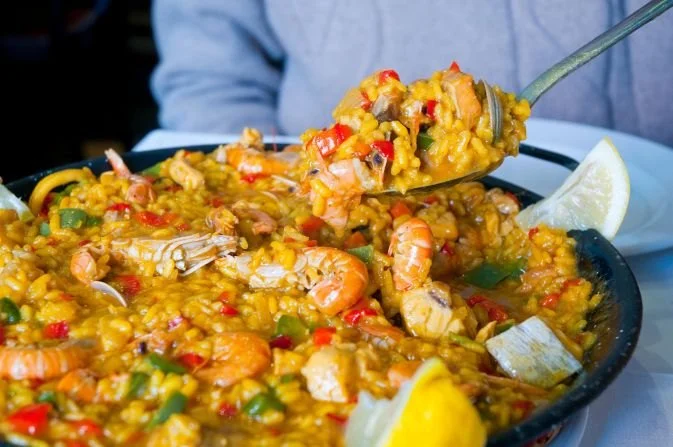
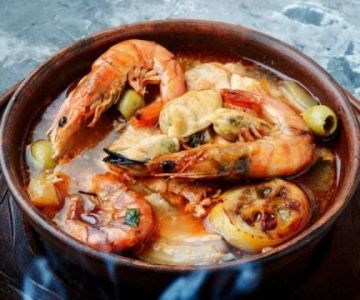
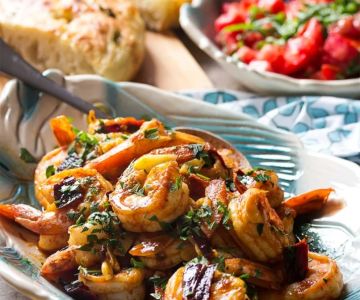
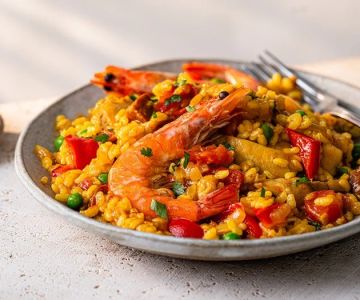
Spain’s coastal regions offer seafood snacks like calamari and small paellas that you can easily adapt for home cooking. Use short-grain rice, fresh seafood, saffron, and olive oil to create bite-sized paella portions for sharing at gatherings.
7. Tips for Authentic Flavors and Ingredients
Key tips include sourcing authentic Spanish ingredients. Use Spanish paprika (pimentón), manchego cheese, and quality cured ham for flavor depth. Olive oil from Spain is preferable for an authentic aroma and taste.
8. Real Stories of Street Food in Spain
During a trip to Valencia, one traveler recalled enjoying churros from a small, family-run stand where the recipe had been passed down for generations. These stories illustrate how street food is not only about flavor but also about cultural heritage and community.
9. How to Create Your Own Spanish Street Food Night
Turn your home into a Spanish street food haven. Plan a menu combining tapas, pintxos, and signature street snacks. Encourage friends to share dishes, pour sangria, and play Spanish music for an immersive experience.
10. Where to Find Best Spanish Ingredients
Local specialty stores and online retailers often carry authentic Spanish products. Platforms like Rubi Spanish Table offer curated ingredients, allowing you to recreate traditional flavors without traveling to Spain. Stock up on olive oils, cured meats, cheeses, and spices to make your cooking effortless.
Recreating the best Spanish street foods at home is an enjoyable way to explore the country’s rich culinary heritage. From patatas bravas to churros, these recipes and tips provide an authentic, flavorful experience right in your own kitchen.

 Spain Restaurant4.0 (486 reviews)
 A Different Beast4.0 (64 reviews)
 The Coolmena Birria Food truck5.0 (11 reviews)
 Mercat a la Planxa4.0 (883 reviews)
 Olde Madrid4.0 (1178 reviews)
 Gypsy Kitchen4.0 (3913 reviews)
 The Best Spanish Restaurants in Indianapolis for Tapas Nights
 Traditional Spanish Seafood Pasta Recipe for Authentic Flavor
 Spanish Tapas Recipes with Meat and Seafood: A Delicious Guide
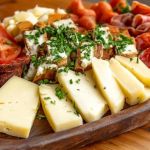 Exploring Spanish Cheese Varieties and Their Best Pairings for Tapas
 How to Make Spanish Tarta de Limón con Merengue: Lemon Meringue Pie
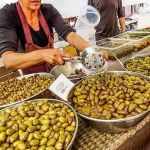 The Best Spanish Food Markets in Granada