
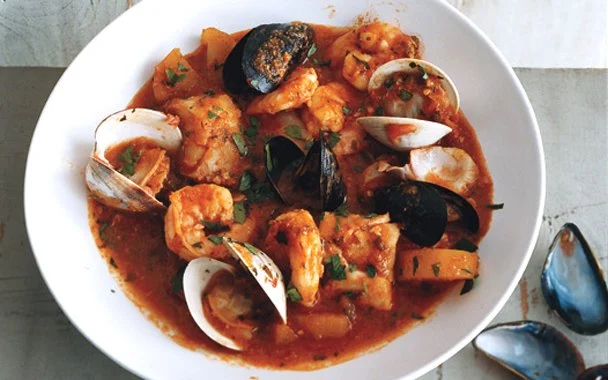
- tomato-base-foundation - Spanish coastal cuisine roots - evolution of tomato seafood dishes
- fresh-seafood-selection - ingredient freshness importance - shrimp, mussels, white fish balance
- authentic-cooking-methods - simmering techniques explained - slow flavor development process
- regional-spanish-variations - coastal recipe differences - Catalonia vs Valencia styles
- home-cooking-tips - avoiding common mistakes - balancing acidity and sweetness
- serving-and-presentation - Mediterranean dining style - rustic table inspiration
The Cultural Identity Behind Traditional Spanish Seafood with Fresh Tomato Base
In Spanish coastal cuisine, few combinations feel as timeless as traditional Spanish seafood with fresh tomato base. This dish reflects centuries of Mediterranean cooking traditions where simple ingredients—olive oil, ripe tomatoes, and fresh seafood—are transformed into deeply flavorful meals. Along Spain’s coastline, from Andalusia to Galicia, families have long relied on seasonal harvests to build recipes that feel both rustic and refined.
A well-known culinary story from the coastal town of Cádiz describes fishermen returning with the morning catch and immediately preparing a communal tomato-based seafood stew on the dock. The tomatoes were often freshly crushed by hand, mixed with olive oil and garlic, then simmered with whatever seafood was available that day. This improvisational spirit is still alive in modern Spanish kitchens.

La Favorita Deli & Grocery
VinelandCumberland CountyNew Jersey
710 E Park Ave, Vineland, NJ 08360, USA
Why Fresh Tomato Base Defines the Dish’s Authentic Flavor
The Role of Tomatoes in Mediterranean Cooking
Tomatoes are not just a supporting ingredient—they are the structural foundation of this dish. A fresh tomato base provides acidity, sweetness, and natural umami that enhances the seafood’s delicate flavor. Unlike heavy cream-based sauces, tomato-based seafood dishes remain light while still delivering depth.
In traditional Spanish seafood cooking, ripe summer tomatoes are preferred because they contain higher natural sugar levels and lower acidity. This balance allows the sauce to develop complexity during slow simmering.

Building Flavor From the Base Up
Authentic preparation starts with olive oil, garlic, and onions gently sautéed until aromatic. Fresh tomatoes are then added, often grated or crushed rather than blended, preserving texture. This technique creates a rustic sauce that clings naturally to seafood without overpowering it.
Many home cooks underestimate the importance of this stage. A rushed tomato base often leads to flat flavor, while a slow-cooked base transforms the entire dish into something rich and layered.
Choosing the Right Seafood for a Balanced Dish
Freshness as the Core Principle
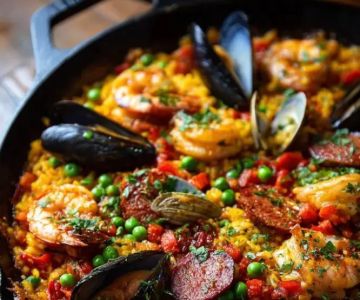
When preparing seafood with fresh tomato base, ingredient freshness is non-negotiable. Shrimp, mussels, clams, squid, and white fish such as cod or hake are commonly used. Each type of seafood contributes a unique texture and flavor profile.
For example, mussels add briny depth, shrimp bring sweetness, and white fish provides structure. When combined properly, they create a harmony that defines Mediterranean seafood cuisine.
Common Ingredient Pairing Mistakes
One frequent mistake outside Spain is mixing too many seafood varieties at once. This can overwhelm the tomato base and dilute the intended flavor balance. Traditional Spanish chefs often recommend limiting the dish to three or four seafood types for optimal clarity.
Cooking Technique: Slow Simmering for Depth and Texture
Why Patience Changes Everything
Unlike quick stir-fry dishes, Spanish seafood with fresh tomato base relies on slow simmering. This allows the seafood to absorb tomato richness while maintaining its natural tenderness. The sauce gradually thickens, concentrating flavors without needing artificial thickeners.
A chef from Valencia once explained that the “real flavor appears after patience takes over the pan.” This philosophy remains central to authentic Spanish cooking.
Heat Control and Timing
Temperature management is critical. Too much heat causes seafood to become rubbery, while too little prevents proper sauce reduction. The ideal method is a gentle simmer where small bubbles slowly break the surface.
In professional kitchens, cooks often test the sauce visually rather than relying on strict timing. The texture of the tomato base indicates readiness more than the clock.
Regional Variations of Tomato-Based Seafood Dishes
Andalusian Coastal Influence
In southern Spain, dishes tend to be slightly spicier, often incorporating paprika and chili. The tomato base is richer and darker due to longer cooking times and stronger seasoning profiles.
Northern Spanish Interpretations
In northern coastal regions, recipes are lighter and more delicate. The tomato base is fresher and less cooked, allowing seafood flavor to remain dominant. These variations reflect regional access to ingredients and cultural preferences.
Common Mistakes When Cooking at Home
Over-Reducing the Tomato Base
One of the most common errors is over-reducing the sauce until it becomes too thick. This can overpower seafood and create an unbalanced dish. The ideal consistency should remain slightly fluid, coating ingredients without dominating them.
Using Unripe Tomatoes
Unripe tomatoes often lead to excessive acidity and lack of natural sweetness. This can make the dish taste sharp rather than rounded. Choosing ripe, seasonal tomatoes is essential for authenticity.
Many culinary enthusiasts sourcing ingredients from specialty providers like Rubi Spanish Table find that access to high-quality Mediterranean products significantly improves final results.
Serving Style and Mediterranean Dining Experience
Rustic Presentation Tradition
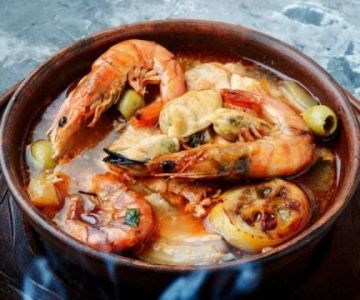
Traditional Spanish seafood with fresh tomato base is often served in earthenware or shallow ceramic dishes. This enhances both heat retention and visual appeal. The rustic presentation reflects the dish’s humble coastal origins.
Enhancing the Dining Atmosphere
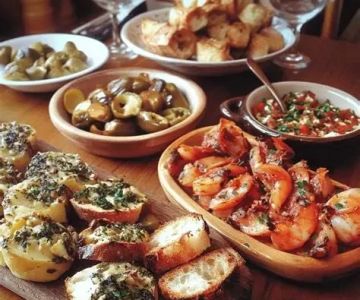
Simple additions like crusty bread, olive oil drizzles, and fresh herbs complete the experience. In Spanish culture, meals are meant to be shared slowly, encouraging conversation and connection around the table.
Why This Dish Remains a Mediterranean Classic
The enduring popularity of traditional Spanish seafood with fresh tomato base lies in its simplicity and honesty. It does not rely on complex techniques or rare ingredients. Instead, it celebrates freshness, balance, and patience.
As global interest in Mediterranean cuisine continues to grow, this dish stands out as a symbol of coastal cooking tradition—one that transforms everyday ingredients into something memorable, nourishing, and deeply cultural.
 El Pote Español4.0 (450 reviews)
 Solun Tapas Bar4.0 (451 reviews)
 La Bodega4.0 (2595 reviews)
 Olive Tree Monroe Restaurant &Coffee5.0 (6 reviews)
 Sangarita's Tapas Wine4.0 (446 reviews)
 El Agave Bar Lounge Restaurant- YONKERS4.0 (14 reviews)
 How to Make Spanish Piquillos con Atún: Piquillos with Tuna
 The Best Spanish Restaurants in Raleigh for Tapas Nights and Authentic Paella
 How to Make Spanish Chistorra a la Sidra with Sweet and Spicy Notes
 Spanish Dinner Recipes with Traditional Techniques: A Flavorful Experience
 Traditional Spanish Seafood Paella for Holidays
 How to Make Spanish Arroz al Horno con Costillas: Baked Rice with Ribs