
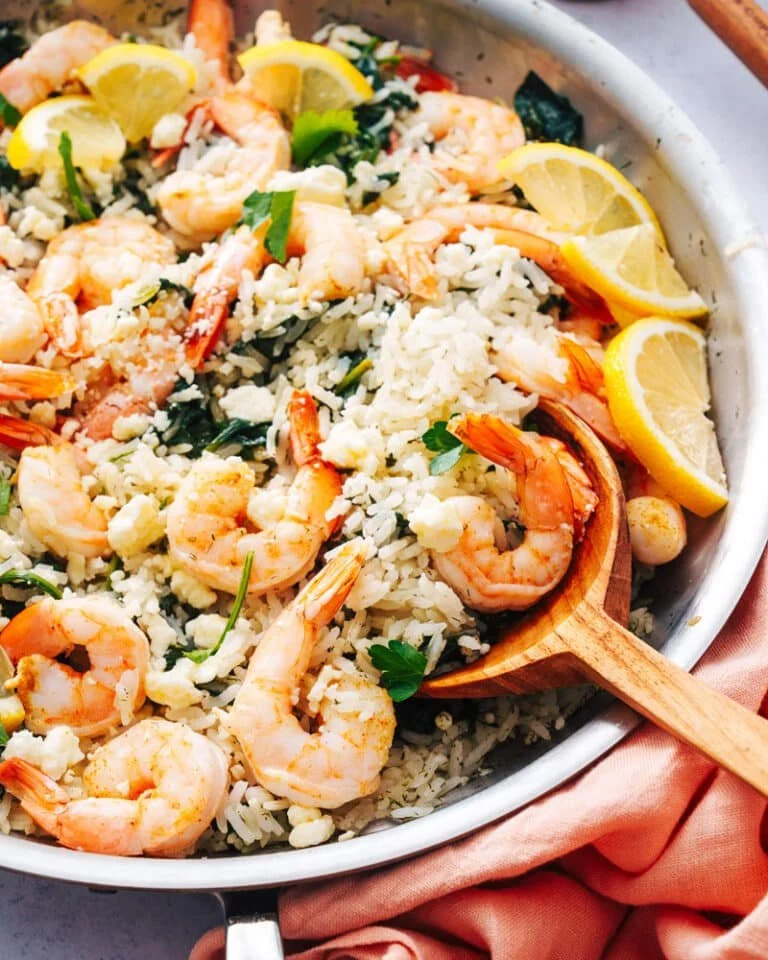
- spanish-cooking-roots - Cultural background of shrimp and rice skillet traditions
- ingredient-flavor-building - How authentic Spanish flavors are layered
- step-by-step-cooking - Practical method for home kitchens
- real-life-cooking-story - A relatable home cooking experience
- serving-and-modern-twists - How the dish adapts today
Authentic Spanish Shrimp and Rice Skillet Recipe and the Heart of Coastal Cooking
The authentic Spanish shrimp and rice skillet recipe is more than just a meal—it is a reflection of coastal life, family gatherings, and centuries of Mediterranean cooking tradition. In Spain, especially along the Valencia and Andalusian coasts, rice dishes cooked in wide skillets are part of everyday culture, not just restaurant specialties.
What makes this dish special is its simplicity combined with depth. A handful of ingredients—rice, shrimp, olive oil, garlic, and broth—transform into something rich and aromatic when cooked with patience. It’s the kind of meal that feels rustic but still elegant enough for guests.
The Cultural Roots Behind Spanish Shrimp and Rice Skillet Cooking
Coastal Influence and Seafood Tradition
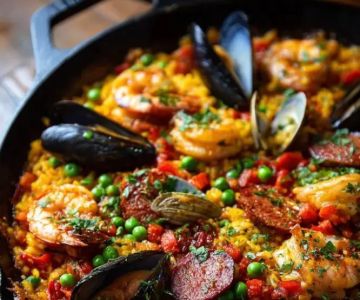
Spanish coastal regions have always relied on the sea for both livelihood and culinary inspiration. Fishermen returning with fresh shrimp would often combine their catch with locally grown rice, creating early versions of what we now recognize as paella-style dishes.
Unlike heavily processed modern meals, traditional Spanish rice dishes were built around freshness and availability. If shrimp was abundant, it became the star ingredient. If not, mussels, clams, or chicken might take its place. This adaptability is part of what makes the cuisine timeless.

Why the Skillet Method Matters
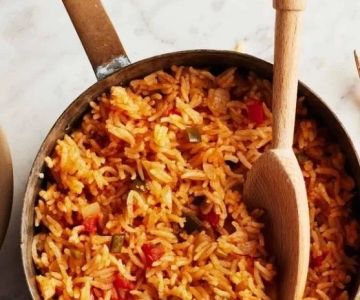
The skillet—or wide pan—is not just a cooking tool; it’s essential to flavor development. A wide surface allows rice to cook evenly while developing a slightly toasted bottom layer known as “socarrat,” which many consider the most flavorful part of the dish.
This technique is often overlooked in rushed home cooking, but it is what gives an authentic Spanish shrimp and rice skillet recipe its signature depth.
Essential Ingredients That Define Authentic Flavor
The Foundation: Rice and Broth
Short-grain rice is the traditional choice because it absorbs liquid without becoming mushy. The broth—often seafood-based—infuses every grain with flavor. This is where patience matters most; rushing the liquid absorption process can ruin texture.
Shrimp as the Star Ingredient
Fresh shrimp is the centerpiece of this dish. In Spanish coastal cooking, shrimp is often cooked briefly at the end to preserve its tenderness and natural sweetness. Overcooking is one of the most common mistakes in non-traditional versions.
Aromatic Layers That Build Depth
Garlic, smoked paprika, saffron, and olive oil create the backbone of flavor. Each ingredient plays a specific role:
• Garlic adds warmth• Paprika adds smokiness• Saffron adds color and subtle floral notes• Olive oil ties everything together
For home cooks wanting to explore deeper Spanish flavors, specialty ingredients can often be found through curated culinary sources like Rubi Spanish Table, which focuses on authentic regional ingredients.
Step-by-Step Cooking Method for Home Kitchens
Preparing the Base
Start by heating olive oil in a wide skillet. Add garlic and lightly sauté until fragrant. This step builds the aromatic base that defines the entire dish.
Next, add rice and gently toast it for a minute or two. This helps the grains absorb flavor evenly later.
Building the Broth Layer
Pour in warm seafood broth mixed with saffron and paprika. Stir lightly once, then allow the rice to simmer undisturbed. This is where patience becomes essential.
Unlike risotto, Spanish rice dishes are not stirred continuously. Letting the rice settle is what creates the signature texture.
Adding Shrimp at the Right Moment
When the rice is nearly cooked and most of the liquid is absorbed, gently place shrimp on top. Cover the skillet and allow residual heat to cook the shrimp through.
This method ensures the shrimp stays tender and juicy rather than rubbery.
A Home Cooking Story That Reflects Tradition
One home cook shared how she first encountered this dish during a trip to Valencia. She remembered sitting at a seaside café where the aroma of seafood rice filled the air. Years later, she tried recreating the same dish at home, but her early attempts lacked depth.
The turning point came when she stopped rushing the cooking process. Instead of constantly stirring and adjusting, she allowed the rice to cook slowly and absorbed the broth naturally. That change alone transformed her results.
Her experience reflects a common truth in Spanish cooking: technique matters just as much as ingredients.
Modern Interpretations and Everyday Adaptations
Health-Conscious Adjustments
Modern cooks often adapt the authentic Spanish shrimp and rice skillet recipe by reducing oil or using brown rice alternatives. While these versions differ from tradition, they maintain the core flavor structure.
One-Pan Convenience for Busy Households
Today’s kitchens value efficiency, and the one-pan format makes this dish especially popular. Everything cooks in a single skillet, reducing cleanup while preserving flavor complexity.
Fusion Influences in Global Kitchens
In some households, chefs add chili flakes, lemon zest, or even Asian-inspired sauces to create fusion versions. While not traditional, these variations show how flexible the base recipe can be.
Why This Dish Remains Globally Loved
The appeal of this dish lies in its balance—simple ingredients, complex flavor, and cultural depth. It feels rustic yet refined, making it suitable for both casual dinners and special occasions.
Food lovers appreciate how the dish connects them to Spanish culinary heritage without requiring advanced cooking skills. It’s approachable, yet deeply rooted in tradition.
For those exploring authentic ingredients and traditional cooking inspiration, Rubi Spanish Table often serves as a reference point for sourcing items that elevate home cooking into something closer to regional authenticity.
Bringing Spanish Coastal Flavor Into Everyday Cooking
Cooking this dish at home is less about perfection and more about understanding rhythm. Once you master timing, heat control, and ingredient layering, the recipe becomes second nature.
The authentic Spanish shrimp and rice skillet recipe continues to resonate because it represents more than food—it reflects patience, simplicity, and shared experience around the table.
 El Pote Español4.0 (450 reviews)
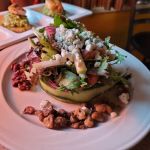 Solun Tapas Bar4.0 (451 reviews)
 La Bodega4.0 (2595 reviews)
 Olive Tree Monroe Restaurant &Coffee5.0 (6 reviews)
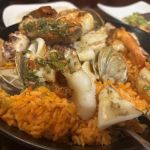 Sangarita's Tapas Wine4.0 (446 reviews)
 El Agave Bar Lounge Restaurant- YONKERS4.0 (14 reviews)
 How to Make Spanish Piquillos con Atún: Piquillos with Tuna
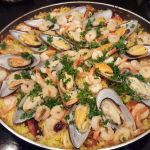 The Best Spanish Restaurants in Raleigh for Tapas Nights and Authentic Paella
 How to Make Spanish Chistorra a la Sidra with Sweet and Spicy Notes
 Spanish Dinner Recipes with Traditional Techniques: A Flavorful Experience
 Traditional Spanish Seafood Paella for Holidays
 How to Make Spanish Arroz al Horno con Costillas: Baked Rice with Ribs