
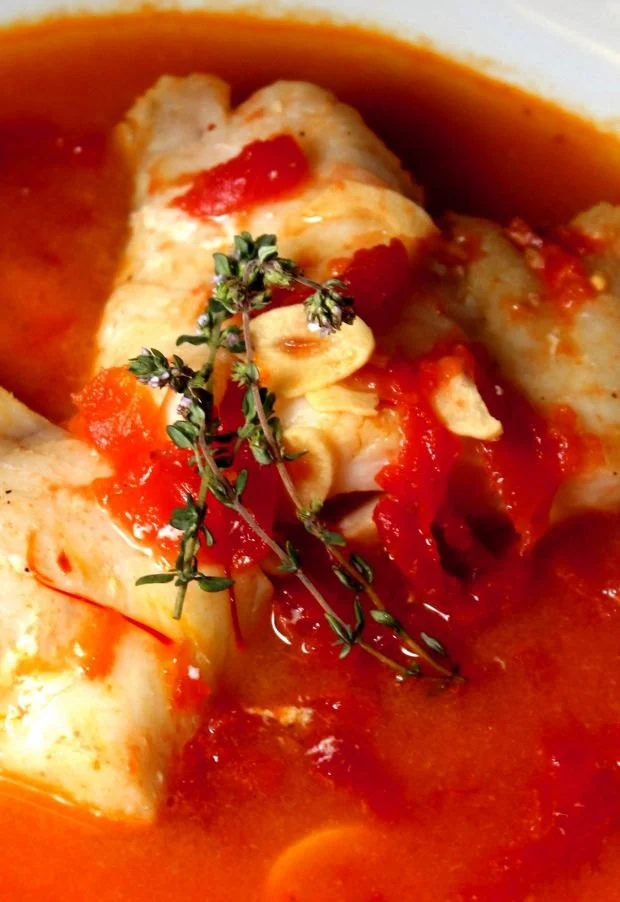
Origin of Traditional Spanish Seafood with Saffron Broth
Traditional Spanish seafood with saffron broth is deeply rooted in the coastal life of Spain, especially regions like Valencia, Galicia, and Andalusia. The dish reflects a lifestyle shaped by fishing boats returning at dawn, markets filled with fresh catches, and families gathering around slow-simmered pots of seafood infused with aromatic spices. Unlike heavy cream-based soups found in other European cuisines, Spanish coastal cooking emphasizes clarity, freshness, and layered ocean flavors.
The use of saffron is not accidental. Spain is one of the world’s most important producers of saffron, and its golden threads have long been considered both luxury and heritage. When combined with seafood stock, saffron transforms the broth into something almost cinematic—golden in color, floral in aroma, and deeply savory in taste.
Key Ingredients and Flavor Foundation Behind Saffron Broth Seafood
At the heart of this dish lies balance. Traditional Spanish seafood with saffron broth depends on just a few carefully chosen ingredients that work together rather than compete.
Seafood stock forms the base, usually created from shrimp shells, fish bones, garlic, and olive oil. This stock is then elevated with saffron threads soaked in warm liquid, releasing both color and aroma. The result is a broth that tastes like the sea but refined with floral warmth.
Common seafood choices include clams, mussels, prawns, squid, and white fish. Each contributes a different texture and salt profile, ensuring that every spoonful feels slightly different but harmonious.
The seasoning philosophy is minimal but intentional: smoked paprika, garlic, onion, olive oil, and occasionally white wine. This simplicity is what allows saffron to shine without overpowering the natural sweetness of seafood.
Regional Variations Across Spain’s Coastal Cuisine
Spain does not treat seafood broth as a single fixed recipe. Instead, each coastal region adapts it based on tradition and available ingredients.
In Valencia, the dish often leans toward paella-style broth, where rice is incorporated and saffron plays a dominant visual role. Galicia, known for its Atlantic waters, emphasizes shellfish richness, often making the broth heavier in mollusk flavor. Andalusia, especially around Cádiz, brings a lighter, almost citrus-leaning profile, sometimes finishing dishes with lemon zest or sherry.
These regional differences reflect how deeply food culture is tied to geography. A fisherman in Galicia and a cook in Valencia may use the same ingredients but end up with entirely different emotional experiences on the plate.
Home Cooking Methods for Authentic Results
Recreating traditional Spanish seafood with saffron broth at home requires attention to timing rather than complexity. The most important step is building flavor in layers.
First, aromatics such as garlic and onion are gently sautéed in olive oil until soft but not browned. This creates the foundation. Then seafood shells are added to intensify the stock base, followed by a slow simmer with water or fish stock.
Saffron should never be added directly in dry form. Instead, it is steeped in warm liquid for several minutes, allowing full extraction. This infused liquid is then poured into the broth, turning it golden and aromatic.
Seafood is added last, in stages based on cooking time. Mussels and clams open quickly, while squid or fish may need slightly longer simmering. The goal is to avoid overcooking, which can ruin texture.
Common Mistakes and Flavor Tips in Saffron Seafood Dishes
One of the most common mistakes is using too much saffron. While it is tempting to enhance color, excess saffron can create bitterness rather than elegance. A small pinch is often enough for an entire pot.
Another frequent issue is over-reduction. Many home cooks attempt to thicken the broth too aggressively, which results in loss of freshness. Traditional Spanish seafood with saffron broth should remain fluid, almost soup-like, not heavy or stew-thick.
Salt balance is also critical. Since seafood naturally releases salinity during cooking, seasoning should always be adjusted at the end rather than the beginning.
Real Kitchen Story: Learning From a Coastal Spanish Cook
A chef I once observed in a small coastal kitchen near Alicante demonstrated something simple but memorable. He refused to rush the broth. Instead of multitasking, he stood by the pot, tasting every few minutes, adjusting heat in tiny increments, and treating saffron like a final note in a musical composition.
He explained that many beginners treat seafood dishes as recipes, while locals treat them as timing exercises. That distinction changed how I understood traditional Spanish seafood with saffron broth. It is not just cooking—it is listening to ingredients as they evolve.
That kitchen experience also highlighted how dishes like this are passed down not through strict measurements but through observation and repetition across generations.
How to Elevate the Dish in a Modern Home Kitchen
Modern home cooks can enhance traditional Spanish seafood with saffron broth without losing authenticity. One approach is to prepare a concentrated seafood stock in advance and freeze it in portions. This allows quick assembly while maintaining depth of flavor.
Another technique involves finishing the dish with high-quality olive oil drizzle just before serving. This adds a silky texture and enhances aroma without altering the traditional base.
For those interested in exploring deeper culinary techniques or sourcing authentic ingredients, curated resources and cooking essentials can be explored through Rubi Spanish Table, where Spanish-inspired cooking tools and ingredients are often highlighted for home chefs seeking authenticity.
Some chefs also incorporate a brief resting period after cooking. Allowing the broth to sit for 5–10 minutes before serving helps flavors integrate fully, making the final dish more rounded and cohesive.

 Ficelle4.0 (177 reviews)
 Elba’s Deli & Restaurant Inc4.0 (214 reviews)
 Lempira Deli4.0 (50 reviews)
 Tio Pepe4.0 (629 reviews)
 Doña Mina4.0 (24 reviews)
 Marbella4.0 (854 reviews)
 Discovering the Most Popular Spanish Tapas Recipes in the US
 Spanish Appetizers for Cocktail Parties: A Delicious Guide
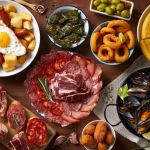 Exploring the Regional Cuisines of Spain: A Culinary Journey Through Spain’s Flavors
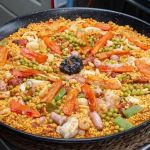 The Best Spanish Food Markets in Pamplona for Fresh Regional Ingredients
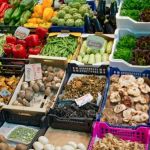 The Best Spanish Food Markets in Murcia for Fresh Seafood, Vegetables, and Regional Products
 How to Make Spanish Tarta de Manzana con Miel y Almendras: Apple Honey Almond Cake