
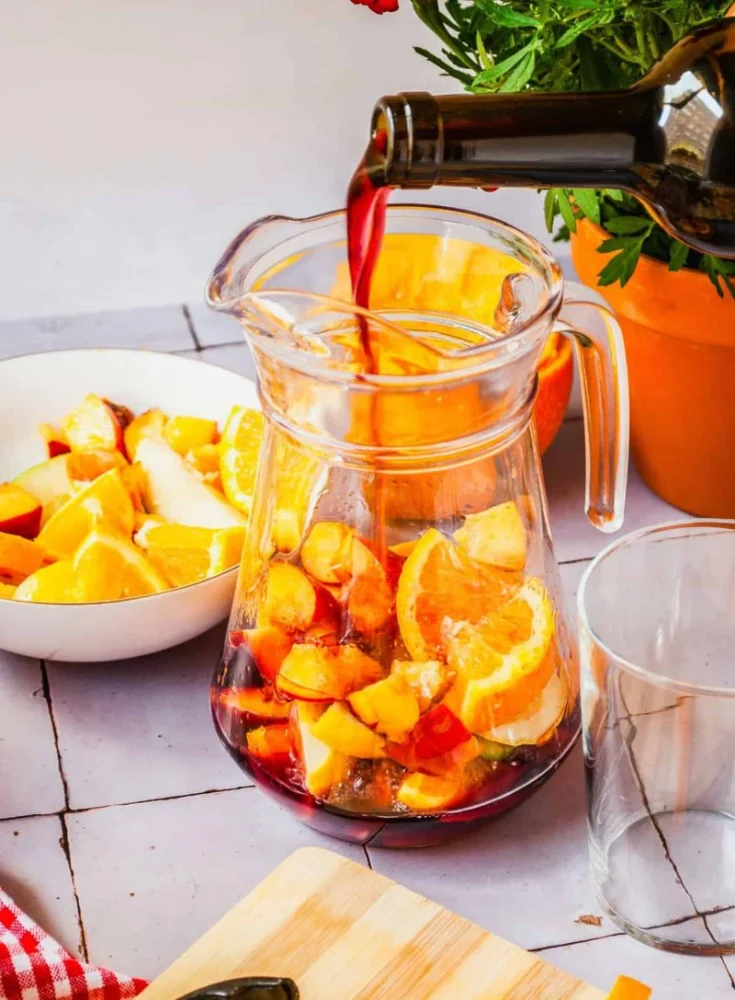
Easy Spanish Sangria with Fresh Citrus
- Why Sangria is a Popular Drink
- Ingredients for Making Spanish Sangria
- How to Make Easy Sangria with Fresh Citrus
- Tips for Perfecting Your Sangria
- Best Occasions for Serving Sangria
1. Why Sangria is a Popular Drink
Sangria is a traditional Spanish drink that has won the hearts of people worldwide. This refreshing beverage is typically made by mixing wine with various fruits, brandy, and a sweetener, creating a deliciously fruity and aromatic drink. Sangria is especially popular in warm weather due to its refreshing qualities and versatility. It is perfect for casual gatherings, summer barbecues, or festive celebrations.
The beauty of sangria lies in its flexibility. You can customize it to your taste preferences by experimenting with different fruits, wines, and alcohols. Fresh citrus fruits like oranges, lemons, and limes add a zesty and vibrant flavor, making it a perfect option for a light, fruity drink with a punch. Whether you're hosting a party or just relaxing with friends, sangria is always a crowd-pleaser.

2. Ingredients for Making Spanish Sangria
Making sangria is easier than you might think! To create a classic Spanish sangria with fresh citrus, you'll need the following ingredients:

2.1. Wine
The base of any sangria is, of course, wine. For traditional Spanish sangria, red wine is commonly used. Look for a dry red wine, such as Tempranillo or Garnacha, which complements the fruity flavors of the sangria without overwhelming it with sweetness. You can also use white wine for a lighter, more refreshing version.
2.2. Fresh Citrus Fruits
Fresh citrus is the key to giving your sangria that tangy, refreshing punch. Oranges are the most common fruit used, but feel free to add lemon, lime, or even grapefruit for extra flavor. Slice the citrus fruits into wedges or rounds for easy inclusion in the sangria.
2.3. Brandy or Liquor
Adding a splash of brandy or another liquor is a traditional way to give your sangria a little extra kick. Brandy is the most common choice, but you can experiment with rum or orange liqueur for different flavor profiles. A small amount goes a long way, so don’t overdo it.
2.4. Sweetener
To balance the acidity of the citrus, a sweetener is often added to sangria. You can use sugar, honey, or agave syrup, depending on your preference. The amount of sweetener can be adjusted based on how sweet or tart you want your sangria to be.
2.5. Additional Fruit and Spices
For extra flavor, you can add other fruits like apples, berries, or peaches. Some people also like to add a cinnamon stick or a few cloves to the mix for a warm, spiced note. The fruit and spices infuse the wine over time, enhancing the overall flavor of the sangria.
3. How to Make Easy Sangria with Fresh Citrus
Now that you have the ingredients, it's time to make your delicious Spanish sangria. Here's a simple step-by-step guide:
3.1. Prepare the Fruits
Start by washing your citrus fruits and any other fruits you're using. Slice the oranges, lemons, and limes into wedges or rounds. If you're adding other fruits like apples or berries, slice them into bite-sized pieces.
3.2. Combine Wine and Brandy
In a large pitcher or bowl, pour in your wine. Add a generous splash of brandy or liquor of your choice. Stir to combine the wine and liquor, ensuring they’re well-mixed.
3.3. Add the Fruit
Place all the sliced fruit into the pitcher with the wine and brandy mixture. Gently stir the fruits into the liquid, allowing the flavors to mingle. The fruit will release its natural juices, infusing the sangria with fresh, zesty flavors.
3.4. Sweeten the Sangria
Add your desired sweetener. Start with a small amount and taste as you go, adjusting the sweetness to your liking. Remember that you can always add more, but you can’t take it out once it’s in.
3.5. Chill and Serve
Cover the pitcher and place it in the refrigerator for at least 2-4 hours, or overnight for even more intense flavor. The longer the sangria sits, the more the flavors develop and blend together. Before serving, give it a final stir and taste again to adjust sweetness if necessary. Serve over ice in glasses with a few extra citrus slices as garnish.
4. Tips for Perfecting Your Sangria
To make sure your sangria turns out perfectly every time, here are some useful tips:
4.1. Use a Good Quality Wine
The quality of the wine you use can significantly affect the final taste of your sangria. While you don’t need to splurge on expensive wine, opt for a good quality bottle that you enjoy drinking on its own. This will ensure a better flavor base for your sangria.
4.2. Experiment with Different Fruits
Don’t feel limited to just citrus. Get creative with your fruits—try adding berries, pineapple, or even stone fruits like peaches or nectarines. Each fruit adds a unique twist to the sangria and enhances the overall flavor.
4.3. Adjust the Sweetness
Everyone has different preferences when it comes to sweetness. Taste your sangria before serving and adjust the sweetness to suit your taste. If it’s too sweet, add more citrus or a little extra wine. If it’s too tart, add more sweetener.
5. Best Occasions for Serving Sangria
Sangria is a versatile drink that can be enjoyed at various occasions, including:
5.1. Summer Parties and BBQs
With its refreshing, fruity flavors, sangria is the perfect drink for a summer party or backyard barbecue. Serve it chilled for a cool and refreshing option that pairs well with grilled meats and salads.
5.2. Holiday Gatherings
Sangria also makes a great addition to holiday gatherings, whether it’s for Thanksgiving, Christmas, or New Year’s Eve. The festive colors and flavors make it an excellent choice for a celebratory drink.
5.3. Casual Get-Togethers
If you're hosting a casual get-together with friends or family, sangria is an easy and crowd-pleasing option. It’s simple to make in large batches and can be customized to suit everyone's taste preferences.
If you're looking for the best sangria ingredients or helpful tools to enhance your drink-making experience, visit Rubi Spanish Table for top-quality products and recommendations.



 3 Flags Grill & Restaurant4.0 (333 reviews)
 Café Salamanca4.0 (525 reviews)
 Equis Pica Pollo Fulton4.0 (40 reviews)
 Gypsy Kitchen DC4.0 (1780 reviews)
 Ruby Bakery And Pizzeria3.0 (3 reviews)
 Casa Luis4.0 (355 reviews)
 Spanish Tapas Recipes for Summer Evenings
 How to Make Spanish Tarta de Fresas con Crema: Strawberry Cream Cake
 How to Make Spanish Croquetas de Pollo con Salsa Bechamel: Chicken Croquettes with Cream Sauce
 Traditional Spanish Seafood and Tomato Rice: A Delicious Culinary Experience
 Exploring Spanish Cooking Techniques for Perfect Seafood Dishes
 Discovering the Unique Flavors of Spanish Olive Oil-Based Dishes