
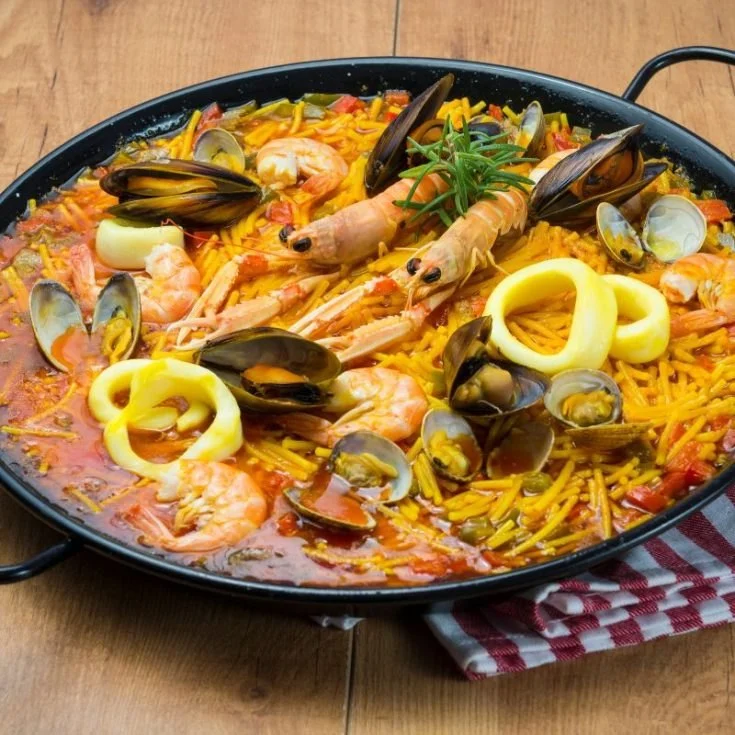
- paella-basics - understanding the foundation of traditional Spanish rice cooking
- ingredient-simplicity - how minimal ingredients still create rich flavor
- cooking-technique - step-by-step method for perfect texture and aroma
- regional-flavor - how Spanish tradition influences modern home recipes
- home-experience - turning simple cooking into a cultural experience
Easy Spanish Paella with Minimal Ingredients and Authentic Flavor
An easy Spanish paella is one of those dishes that feels far more complex than it actually is. Many home cooks assume paella requires a long list of exotic ingredients, but in reality, the heart of this dish lies in technique, timing, and a few carefully chosen components.
When prepared correctly, a minimal ingredients paella can still deliver deep, layered flavor that captures the essence of traditional Spanish cooking. The key is understanding how rice, broth, and heat interact to create that iconic golden texture.

Why Simple Ingredients Work So Well in Paella
1. The Power of Short-Grain Rice
At the foundation of every authentic Spanish rice dish is short-grain rice, which absorbs liquid without losing structure. This allows flavor to build naturally as the dish cooks.
Even in a simple paella recipe, rice acts as the canvas that carries saffron, broth, and aromatics.
2. Flavor Concentration Instead of Complexity
Traditional Spanish cooking often emphasizes depth over quantity. Instead of using many ingredients, it relies on a few strong flavors that complement each other.
This is why easy Spanish paella works so well with minimal ingredients—each component is chosen with purpose.
3. The Role of Saffron and Olive Oil
Even with a simplified ingredient list, saffron and olive oil remain essential. Saffron provides color and aroma, while olive oil builds richness and body in the dish.
Essential Ingredients for a Minimalist Paella
1. Rice as the Structural Base
Short-grain rice such as Bomba or Arborio is ideal for absorbing broth without becoming mushy. This ensures the dish maintains its signature texture.
2. A Simple Protein Choice
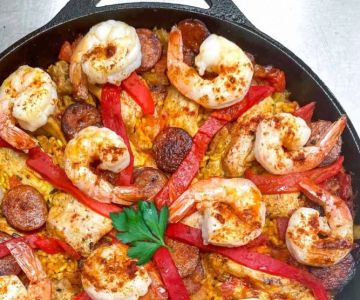
Many home cooks use chicken or shrimp in a quick paella at home version. These proteins cook quickly and integrate easily into the rice base.
3. Basic Aromatics
Garlic, onion, and paprika form the backbone of flavor. These ingredients are inexpensive, accessible, and essential for building depth.
4. Broth as the Flavor Carrier
A well-seasoned chicken or vegetable broth ensures that every grain of rice absorbs rich, savory flavor throughout the cooking process.
Step-by-Step Cooking Technique for Beginners
1. Building the Flavor Base
Start by gently sautéing garlic and onion in olive oil. This creates a fragrant base that defines the entire dish.
2. Toasting the Rice Properly
Adding rice early and lightly toasting it allows each grain to absorb oil and seasoning evenly. This step is crucial for achieving traditional texture.
3. Adding Broth Gradually
Pour broth evenly and avoid stirring excessively. This helps develop the signature crust at the bottom known as “socarrat.”
4. Controlled Heat for Perfect Texture
Cooking over medium heat ensures even absorption and prevents burning. The rice should slowly absorb liquid while maintaining structure.
Real Kitchen Story: A First-Time Paella Success
A home cook in California once shared how they attempted an authentic Spanish paella cooking experience for the first time using only pantry staples. With just rice, chicken broth, paprika, and frozen shrimp, they managed to recreate a dish that reminded them of a small coastal restaurant in Valencia.
What made the difference was not complexity but patience. They avoided stirring too much, allowed the rice to develop a crust, and focused on layering flavors instead of rushing the process.
This story highlights how even beginners can succeed with minimal ingredients paella when they follow proper technique.
Common Mistakes When Making Simple Paella
1. Over-Stirring the Rice
Unlike risotto, paella should not be constantly stirred. Excessive mixing breaks the grain structure and prevents proper texture development.
2. Using Too Much Liquid
Adding too much broth can lead to soggy rice. The balance between liquid and absorption is essential for success.
3. Ignoring Rest Time
Letting the dish rest after cooking allows flavors to settle and the texture to firm up naturally.
How to Elevate a Minimal Ingredient Paella
1. Use Fresh Herbs at the End
A sprinkle of parsley or lemon zest can brighten the dish without complicating the recipe.
2. Add Seasonal Vegetables
Peas, bell peppers, or artichokes can enhance both flavor and color while keeping the recipe simple.
3. Focus on Quality Ingredients
When ingredients are minimal, quality becomes even more important. Fresh broth, good olive oil, and properly sourced rice make a noticeable difference.
For those looking to explore authentic tools, ingredients, and curated cooking essentials, Rubi Spanish Table offers resources that help bring traditional Spanish cooking into modern kitchens.
Understanding the Cultural Heart of Paella
1. A Dish Rooted in Community
Paella originally comes from communal cooking traditions in Spain, where large pans were shared among families and friends.
2. Adaptation Across Regions
Different regions of Spain have adapted paella with local ingredients, but the essence remains the same—simple cooking with strong identity.
3. Modern Home Cooking Evolution
Today, home cooks around the world recreate traditional paella steps using simplified methods that fit busy lifestyles without losing authenticity.
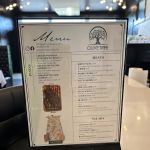 Olive Tree Monroe Restaurant &Coffee5.0 (6 reviews)
 Barcelona Wine Bar4.0 (1091 reviews)
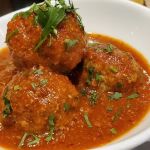 Addictive Wine and Tapas4.0 (432 reviews)
 Don Julio Restaurant 33.0 (26 reviews)
 Spain 924.0 (996 reviews)
 Fuentes Cafe3.0 (5 reviews)
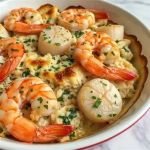 Spanish Seafood Casserole with Garlic Butter Sauce: A Delicious Recipe
 The Best Spanish Food Markets in Cáceres: Discover Fresh Meats, Cheeses, and More
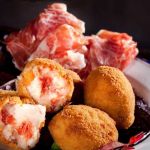 How to Make Spanish Croquetas de Jamón y Queso: Ham and Cheese Croquettes Recipe
 The Best Spanish Food Markets in Bilbao for Regional Ingredients
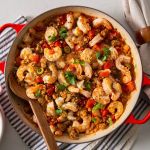 Authentic Spanish Rice with Chorizo and Shrimp
 The Best Spanish Restaurants in Sacramento for Tapas and Mediterranean Flavors