
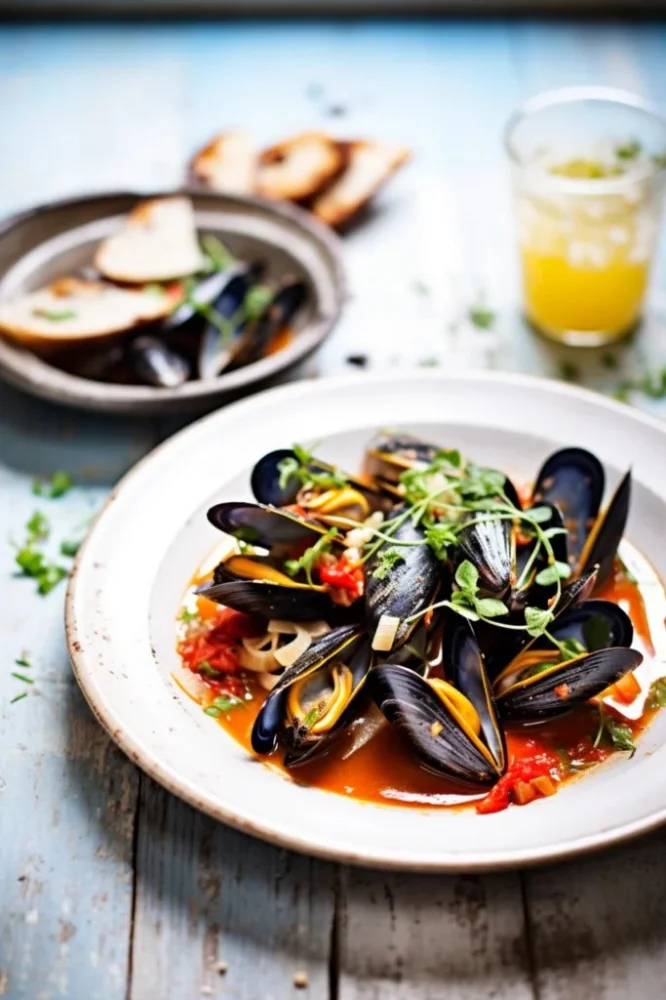
Spanish Mediterranean Recipes with Healthy Ingredients: A Real Approach to Fresh, Balanced Cooking
- -why-spanish-mediterranean-recipes-are-considered-among-the-healthiest-diets-in-the-world
- -core-ingredients-that-define-authentic-mediterranean-cooking-in-spain
- -how-olive-oil-seafood-and-vegetables-create-balanced-meals
- -step-by-step-approach-to-building-healthy-spanish-mediterranean-recipes-at-home
- -real-home-cooking-story-inspired-by-coastal-spanish-family-meals
- -common-mistakes-when-trying-to-recreate-mediterranean-flavors-abroad
- -nutrition-benefits-of-a-traditional-spanish-mediterranean-diet
- -how-modern-chefs-elevate-classic-spanish-recipes-with-health-focused-ingredients
- -meal-planning-ideas-for-weekly-mediterranean-inspired-cooking
- -where-to-find-authentic-ingredients-and-inspiration-like-Rubi-Spanish-Table
Why Spanish Mediterranean Recipes Are Considered Among the Healthiest Diets in the World
When people explore Spanish Mediterranean Recipes with Healthy Ingredients, they are often drawn to the idea that food can be both deeply flavorful and nutritionally balanced at the same time. The Mediterranean diet, especially in Spain, is widely recognized by nutrition experts for its long-term health benefits and sustainable eating patterns.
Unlike restrictive diets, Spanish Mediterranean cooking focuses on natural balance—fresh vegetables, lean proteins, olive oil, legumes, and whole grains. Meals are designed to be enjoyed slowly, often shared with family and friends, which adds a cultural dimension to health itself.
A nutrition researcher in Barcelona once described the Mediterranean lifestyle as “less of a diet and more of a relationship with food.” That perspective helps explain why it has remained consistent across generations.
Core Ingredients That Define Authentic Mediterranean Cooking in Spain
Extra Virgin Olive Oil as a Foundation
Olive oil is not just a cooking fat in Spanish cuisine—it is the foundation of flavor. Rich in antioxidants and healthy fats, it replaces butter or processed oils in most traditional recipes.

Fresh Vegetables and Seasonal Produce
Tomatoes, peppers, eggplant, zucchini, and leafy greens form the backbone of many dishes. Seasonal eating ensures higher nutrient density and better flavor.
Seafood and Lean Proteins
Coastal Spanish regions rely heavily on fish like sardines, cod, and anchovies, providing omega-3 fatty acids essential for heart health.
How Olive Oil, Seafood, and Vegetables Create Balanced Meals
The strength of Spanish Mediterranean Recipes with Healthy Ingredients lies in their natural balance of macronutrients. Instead of relying on heavy sauces or processed ingredients, flavor comes from simplicity and freshness.
Natural Fat and Heart Health Connection
Olive oil provides monounsaturated fats that support cardiovascular health while enhancing flavor absorption in vegetables and proteins.
Protein and Vegetable Synergy
Seafood combined with vegetables creates meals that are both filling and light, reducing the need for excess carbohydrates or artificial additives.
Herbs and Aromatics
Garlic, parsley, paprika, and saffron are commonly used to elevate dishes without adding unhealthy ingredients.
Step-by-Step Approach to Building Healthy Spanish Mediterranean Recipes at Home
Cooking authentic Mediterranean meals at home is more about technique and ingredient quality than complexity. Even simple dishes can reflect traditional Spanish flavors when prepared correctly.
1. Start with Fresh Ingredients
The foundation of every dish begins at the market. Fresh produce ensures better texture, taste, and nutritional value.
2. Focus on Simplicity
Spanish cuisine often avoids overcomplication. A few high-quality ingredients are often more powerful than long ingredient lists.
3. Cook Slowly and Mindfully
Many Mediterranean dishes are cooked at moderate temperatures to preserve nutrients and enhance natural flavors.
Real Home Cooking Story Inspired by Coastal Spanish Family Meals
A home cook in California shared how she discovered Spanish Mediterranean Recipes with Healthy Ingredients after traveling to Valencia. She was struck by how simple family meals centered around grilled fish, fresh salads, and olive oil-dressed vegetables.
When she returned home, she began recreating these meals weekly. Over time, she noticed not only improved energy levels but also a shift in her relationship with food—less reliance on processed snacks and more appreciation for fresh cooking.
Her experience reflects a growing trend among Americans adopting Mediterranean-style eating habits for both health and lifestyle balance.
Common Mistakes When Trying to Recreate Mediterranean Flavors Abroad
One of the biggest mistakes is substituting high-quality olive oil with cheaper vegetable oils, which changes both flavor and nutritional profile.
Another issue is over-seasoning. Authentic Spanish cooking relies on balance, not overpowering spice blends.
Many home cooks also overcook vegetables, losing both texture and nutritional value in the process.
Nutrition Benefits of a Traditional Spanish Mediterranean Diet
Research consistently shows that Mediterranean eating patterns are associated with reduced risk of heart disease, improved cognitive health, and better weight management.
The combination of healthy fats, fiber-rich vegetables, and lean proteins creates a sustainable nutritional model that supports long-term wellness rather than short-term dieting.
This is why Spanish Mediterranean Recipes with Healthy Ingredients are often recommended by dietitians worldwide.
How Modern Chefs Elevate Classic Spanish Recipes With Health-Focused Ingredients
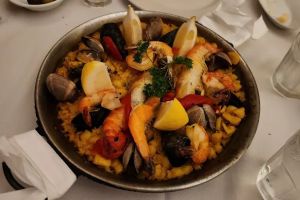
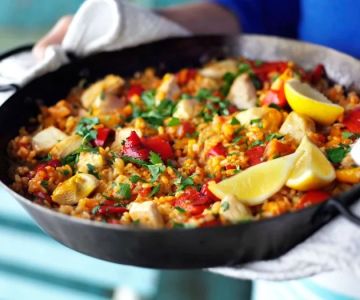
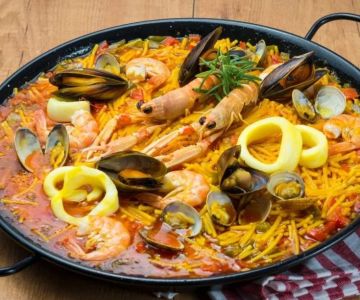
Modern Spanish chefs are reinterpreting traditional dishes with a focus on nutrition without losing authenticity. For example, classic paella is now often prepared with more vegetables and less processed meat.
Chefs also experiment with whole grains and plant-based proteins while preserving traditional flavors using saffron, smoked paprika, and olive oil.
This evolution keeps Mediterranean cuisine relevant in contemporary health-conscious dining culture.
Meal Planning Ideas for Weekly Mediterranean-Inspired Cooking
Planning meals around Mediterranean principles can simplify healthy eating. A typical week might include grilled fish, vegetable stews, chickpea salads, and olive oil-based dressings.
Batch preparation of roasted vegetables and legumes helps maintain consistency while reducing daily cooking time.
Many home cooks find that once they adopt this structure, eating healthy becomes effortless rather than restrictive.
Where to Find Authentic Ingredients and Inspiration Like Rubi Spanish Table
One of the challenges of recreating Spanish Mediterranean Recipes with Healthy Ingredients outside Spain is sourcing authentic ingredients. High-quality olive oil, saffron, and traditional spices make a significant difference in flavor.
Specialty culinary sources like Rubi Spanish Table provide access to authentic Spanish ingredients and culinary inspiration, helping home cooks replicate true Mediterranean flavors with confidence.
As interest in Mediterranean cooking continues to grow in the United States, these resources play an important role in preserving authenticity while supporting healthy eating habits.

 Spanish Restaurant Tapas - Alcala4.0 (455 reviews)
 Bolero at Europa Village4.0 (194 reviews)
 Los Munchies4.0 (28 reviews)
 Si Tapas4.0 (1146 reviews)
 Los Paisas Restaurant4.0 (19 reviews)
 Caridad & Louie's Restaurant4.0 (2924 reviews)
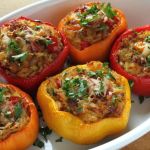 How to Make Spanish Pimientos Rellenos de Queso y Jamón: Cheese and Ham Stuffed Peppers
 How to Make Spanish Croquetas de Jamón y Queso: Ham and Cheese Croquettes Recipe
 The Best Spanish Restaurants in Minneapolis for Authentic Tapas Experiences
 How to Make Spanish Merluza a la Plancha: Grilled Hake
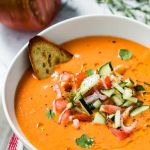 How to Make Spanish Gazpacho for Hot Summer Days
 Spanish Dinner Menu with Appetizer and Dessert: A Culinary Guide