
- - #origins-of-traditional-spanish-seafood-pasta-culture
- - #essential-ingredients-for-authentic-mediterranean-seafood-pasta
- - #step-by-step-cooking-method-for-spanish-seafood-pasta
- - #regional-variations-of-seafood-pasta-in-spain
- - #real-family-stories-and-coastal-cooking-traditions
- - #common-mistakes-when-making-seafood-pasta-at-home
- - #how-to-serve-and-pair-spanish-seafood-pasta
- - #chef-insights-and-flavor-enhancing-techniques
- - #discover-more-recipes-with-rubi-spanish-table
Origins of Traditional Spanish Seafood Pasta Culture
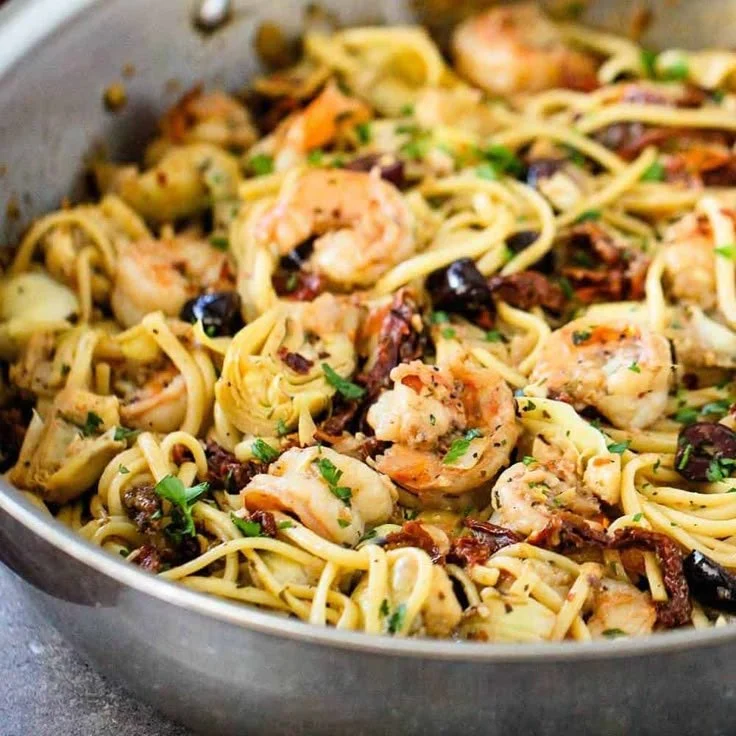
The Traditional Spanish Seafood Pasta Recipe is deeply rooted in the coastal culinary traditions of Spain, where the Mediterranean Sea has shaped both lifestyle and cuisine for centuries. While Spain is often celebrated for dishes like paella, tapas, and gazpacho, seafood pasta represents a quieter yet equally rich part of its gastronomic identity.
In coastal regions such as Valencia, Catalonia, and Andalusia, fishermen would bring fresh catches directly to local kitchens. Instead of letting ingredients go to waste, families began combining seafood with simple pantry staples like olive oil, garlic, and dried pasta brought through early trade routes.
Over time, this fusion evolved into what many now recognize as a Traditional Spanish Seafood Pasta Recipe—a dish that blends Italian influence with Spanish coastal freshness and Mediterranean simplicity.

How coastal life shaped Spanish pasta traditions
Daily life near the sea meant that meals had to be quick, fresh, and adaptable. This practicality gave birth to recipes that highlight natural seafood flavors rather than masking them with heavy sauces.

Essential Ingredients for Authentic Mediterranean Seafood Pasta
A true Traditional Spanish Seafood Pasta Recipe relies on high-quality, simple ingredients. The magic is not in complexity, but in freshness and balance.
Fresh seafood as the heart of the dish
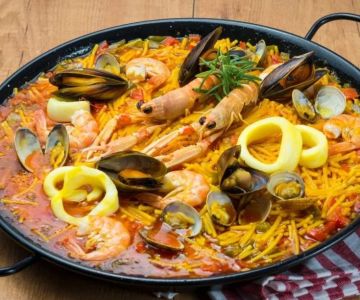
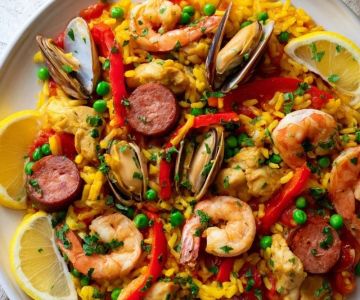
Common ingredients include shrimp, clams, mussels, squid, and sometimes white fish. The key is freshness—Spanish coastal cooking emphasizes seafood that has been caught the same day or preserved with minimal processing.
Olive oil, garlic, and paprika foundation
Spanish cuisine is known for its bold yet simple flavor base. Extra virgin olive oil, fresh garlic, and smoked paprika create the aromatic backbone of the dish.
Choosing the right pasta texture
While linguine or spaghetti is often used, many Spanish variations prefer slightly thicker pasta that can hold the seafood sauce more effectively.
Step-by-Step Cooking Method for Spanish Seafood Pasta
Preparing a Traditional Spanish Seafood Pasta Recipe at home is more about technique and timing than complicated steps.
Building the flavor base
Start by gently heating olive oil and sautéing garlic until golden. Add onions and a touch of smoked paprika to build depth. This base defines the entire dish.
Cooking seafood in stages
Different seafood cooks at different speeds. Shrimp and squid are added later, while clams and mussels are steamed until they open naturally, releasing their briny juices into the sauce.
Combining pasta and seafood sauce
Once the pasta is al dente, it is combined directly into the seafood mixture, allowing it to absorb the flavors of the ocean-infused sauce.
Regional Variations of Seafood Pasta in Spain
The Traditional Spanish Seafood Pasta Recipe is not uniform across Spain. Each coastal region adds its own identity and ingredients.
Catalan-style seafood pasta
In Catalonia, seafood pasta often includes tomato-based sofrito, creating a slightly richer and more aromatic profile.
Andalusian coastal influence
Southern Spain prefers lighter versions with lemon, parsley, and minimal sauce to highlight the natural sweetness of seafood.
Valencian seafood traditions
Valencia, known for paella, often incorporates similar saffron and rice-inspired seasoning elements into pasta variations.
Real Family Stories and Coastal Cooking Traditions
The cultural richness behind the Traditional Spanish Seafood Pasta Recipe becomes more vivid through family traditions passed down along Spain’s coastline.
A fisherman’s morning tradition
In a small coastal village near Málaga, one fisherman reportedly brought home leftover catch each morning, where his family turned it into a simple seafood pasta shared before the workday began.
Sunday gatherings by the sea
Families often gather on Sundays to prepare large seafood meals, turning cooking into a social ritual rather than just a daily necessity.
Modern reinterpretations by young chefs
Today, younger Spanish chefs are modernizing these recipes with gourmet touches while preserving their traditional essence.
Common Mistakes When Making Seafood Pasta at Home
Even experienced home cooks can struggle with a Traditional Spanish Seafood Pasta Recipe if key details are overlooked.
Overcooking seafood
Seafood becomes rubbery and loses flavor if cooked too long. Timing is critical to maintaining texture and taste.
Using low-quality olive oil
Since olive oil is a primary flavor component, using inferior oil can significantly impact the final dish.
Skipping seafood broth integration
Many home cooks discard the natural juices from mussels and clams, but these juices are essential for authentic flavor depth.
How to Serve and Pair Spanish Seafood Pasta
A properly prepared Traditional Spanish Seafood Pasta Recipe is best enjoyed with thoughtful pairing and presentation.
Wine pairing recommendations
Light white wines such as Albariño or Verdejo complement seafood pasta beautifully by enhancing its freshness without overpowering it.
Serving style and presentation
Spanish coastal dining emphasizes simplicity—pasta is often served in shallow ceramic plates with fresh herbs on top.
Side dishes that complement the meal
Simple salads, grilled vegetables, or crusty bread are commonly served alongside seafood pasta.
Chef Insights and Flavor Enhancing Techniques
Professional chefs often elevate the Traditional Spanish Seafood Pasta Recipe using subtle but powerful techniques.
Deglazing with white wine
Adding a splash of white wine during cooking enhances acidity and balances seafood richness.
Using saffron infusion
A small amount of saffron can add both color and depth, inspired by Spanish paella traditions.
Finishing with fresh herbs
Parsley and basil are often added at the end to preserve freshness and aroma.
Discover More Recipes With Rubi Spanish Table
Exploring a Traditional Spanish Seafood Pasta Recipe is just the beginning of a broader culinary journey. Platforms like Rubi Spanish Table help food lovers discover authentic Spanish ingredients, cooking inspiration, and regional specialties that bring Mediterranean cuisine into home kitchens.
From everyday meals to festive seafood dishes, Spanish cooking continues to inspire chefs and home cooks around the world with its simplicity, freshness, and cultural depth.
 Spanish Restaurant Tapas - Alcala4.0 (455 reviews)
 Bolero at Europa Village4.0 (194 reviews)
 Los Munchies4.0 (28 reviews)
 Si Tapas4.0 (1146 reviews)
 Los Paisas Restaurant4.0 (19 reviews)
 Caridad & Louie's Restaurant4.0 (2924 reviews)
 How to Make Spanish Pimientos Rellenos de Queso y Jamón: Cheese and Ham Stuffed Peppers
 How to Make Spanish Croquetas de Jamón y Queso: Ham and Cheese Croquettes Recipe
 The Best Spanish Restaurants in Minneapolis for Authentic Tapas Experiences
 How to Make Spanish Merluza a la Plancha: Grilled Hake
 How to Make Spanish Gazpacho for Hot Summer Days
 Spanish Dinner Menu with Appetizer and Dessert: A Culinary Guide