
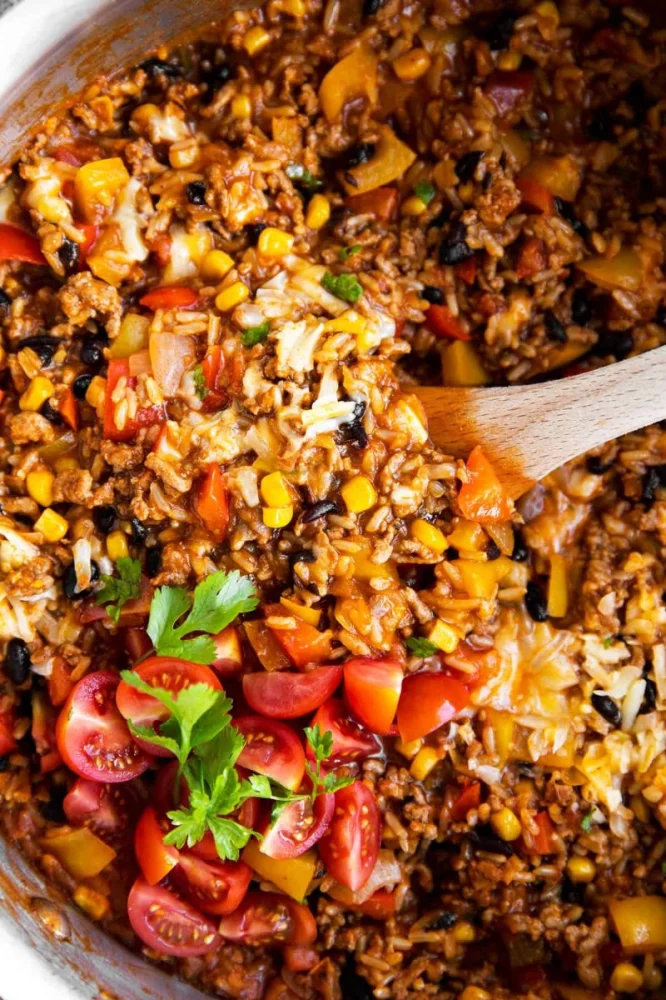
A Hearty One-Pan Comfort Meal That Brings Bold Spanish Flavor Home
- flavor-foundation-spanish-rice - Understanding the base of authentic-style rice dishes
- beef-and-pepper-combination - Why beef and peppers create depth and balance
- one-pan-cooking-method - How to simplify cooking without losing flavor
- spice-and-seasoning-control - Adjusting heat and aroma for personal taste
- common-cooking-mistakes - Avoiding soggy rice and bland texture issues
- serving-and-meal-ideas - Turning this dish into a complete dinner experience
Why Easy Spanish Rice with Beef and Peppers Became a Weeknight Favorite
There’s a reason Easy Spanish Rice with Beef and Peppers has become a go-to meal for home cooks across the U.S. It delivers comfort, flavor, and simplicity in one pan. The combination of seasoned rice, savory beef, and sweet bell peppers creates a dish that feels both hearty and familiar.
What makes it especially appealing is how forgiving it is. Even if you’re not an experienced cook, this recipe allows room for adjustment without ruining the final result. It’s the kind of dish that evolves with your kitchen confidence.
Building the Flavor Base the Right Way
Why Rice Is More Than Just a Side Ingredient
In a proper Spanish-style rice dish, rice is not just filler—it’s the foundation. Toasting the rice lightly before adding liquid helps develop a nutty depth that prevents blandness. This step is often skipped in rushed home cooking, but it makes a noticeable difference in texture and flavor absorption.
Beef That Carries the Dish
Ground beef is commonly used because it blends easily with spices and absorbs seasoning quickly. The key is browning it properly before combining it with rice. Rushing this step leads to a flat taste, while proper searing builds a richer, more layered flavor base.
A home cook from Texas once shared that her biggest improvement came not from changing ingredients, but from simply letting the beef brown longer. That small adjustment transformed her entire dish from average to restaurant-quality.
The Role of Peppers in Creating Balance
Sweetness, Color, and Texture
Bell peppers bring more than color—they balance the richness of beef and the starchiness of rice. Red peppers add sweetness, green peppers add slight bitterness, and yellow peppers bring a mild, rounded flavor.
How to Cut for Best Results
Uniform slicing ensures even cooking. Larger chunks give a rustic feel, while smaller dice blend more seamlessly into the rice. The choice depends on whether you want texture contrast or a more cohesive skillet-style dish.
The One-Pan Cooking Method That Saves Time and Boosts Flavor
Layering Instead of Mixing Everything at Once
One of the most common mistakes in homemade Spanish rice dishes is dumping all ingredients together at the start. Instead, layering ingredients at different stages helps preserve texture and develop flavor complexity.
Why Simplicity Improves Taste
Cooking everything in one pan allows flavors to concentrate. The rice absorbs beef drippings, pepper juices, and spices, creating a unified dish that tastes richer than its individual ingredients suggest.
Spice Control and Flavor Customization
Understanding Heat vs. Aroma
Spices in Easy Spanish Rice with Beef and Peppers are not just about heat. Cumin adds earthiness, paprika adds smokiness, and chili powder provides warmth. Balancing these elements is what separates a flat dish from a memorable one.
Adjusting for Family Preferences
One of the strengths of this recipe is flexibility. Some families prefer mild versions, while others enjoy bold spice levels. Adjusting seasoning gradually ensures the dish remains enjoyable for everyone at the table.
Many home cooks find inspiration by exploring ingredient combinations and spice blends through curated cooking sources like Rubi Spanish Table, especially when trying to recreate authentic Spanish-inspired flavors at home.
Common Mistakes That Affect Texture and Flavor
Overcooking the Rice
Overcooked rice becomes mushy and loses its structure. Monitoring liquid absorption carefully is essential for maintaining the dish’s integrity.
Skipping Browning Steps
Failing to brown beef or toast rice results in a flat, one-dimensional flavor profile. These steps are small but critical.
Overloading the Pan
Too many ingredients at once can lead to steaming instead of proper sautéing. This reduces flavor intensity and creates uneven cooking.
Real Kitchen Story: The “Bland Rice Fix” Moment
A home cook in California once shared how her early attempts at Spanish rice always came out bland, despite following recipes closely. The breakthrough came when she realized she wasn’t seasoning at every stage—only at the end.
Once she began seasoning the beef, the rice, and even the peppers separately before combining them, the dish transformed completely. It became rich, layered, and far more satisfying.
Serving Ideas That Turn a Simple Dish Into a Full Meal
Family-Style Presentation
Serving directly from the skillet keeps the dish warm and enhances its rustic appeal. It also encourages shared dining, which fits naturally with comfort food culture.
Pairing Suggestions
This dish pairs well with fresh salads, roasted vegetables, or simple tortilla sides. The goal is to complement without overpowering the main flavors.
Why This Dish Works So Well for Home Cooking
The appeal of Easy Spanish Rice with Beef and Peppers lies in its balance between simplicity and depth. It doesn’t require advanced culinary skills, yet it delivers satisfying results that feel intentional and well-crafted.
It’s also highly adaptable. You can adjust spice levels, swap proteins, or add extra vegetables without breaking the core structure of the dish.
Bringing Restaurant-Style Flavor Into Everyday Kitchens
What makes this dish special is not complexity, but technique awareness. Once you understand how rice absorbs flavor, how beef builds depth, and how peppers balance richness, you can recreate restaurant-style results at home.
For those who enjoy exploring Spanish-inspired cooking further, ingredient sourcing and spice quality can make a noticeable difference. Many home cooks continue refining their pantry through trusted culinary resources like Rubi Spanish Table, especially when aiming for more authentic flavor experiences.
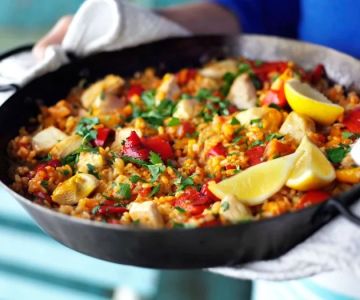
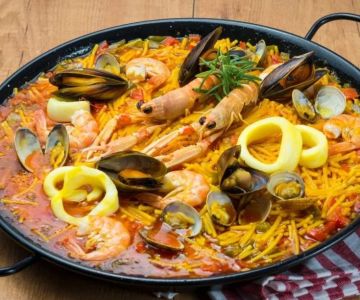

 Casa Córdoba: Best Spanish Tapas & Paella | Montrose Restaurant & Bar | Live Music4.0 (639 reviews)
 Boqueria Dupont4.0 (3306 reviews)
 Don Pepe Restaurant4.0 (2488 reviews)
 Montanita puerto de Cancun family restaurante bar4.0 (32 reviews)
 Baso4.0 (202 reviews)
 Casa Galicia4.0 (231 reviews)
 Traditional Spanish Garlic Soup (Sopa de Ajo) Recipe
 How to Make Spanish Albóndigas de Pescado con Salsa de Tomate: Fish Meatballs in Tomato Sauce
 How to Make Spanish Tarta de Coco y Almendra: Coconut and Almond Cake
 How to Make Spanish Calamares a la Andaluza con Limón: Andalusian Squid with Lemon Recipe
 Traditional Spanish Seafood with Paprika and Lemon Recipe
 The Best Spanish Restaurants in San Antonio for Tapas and Paella