
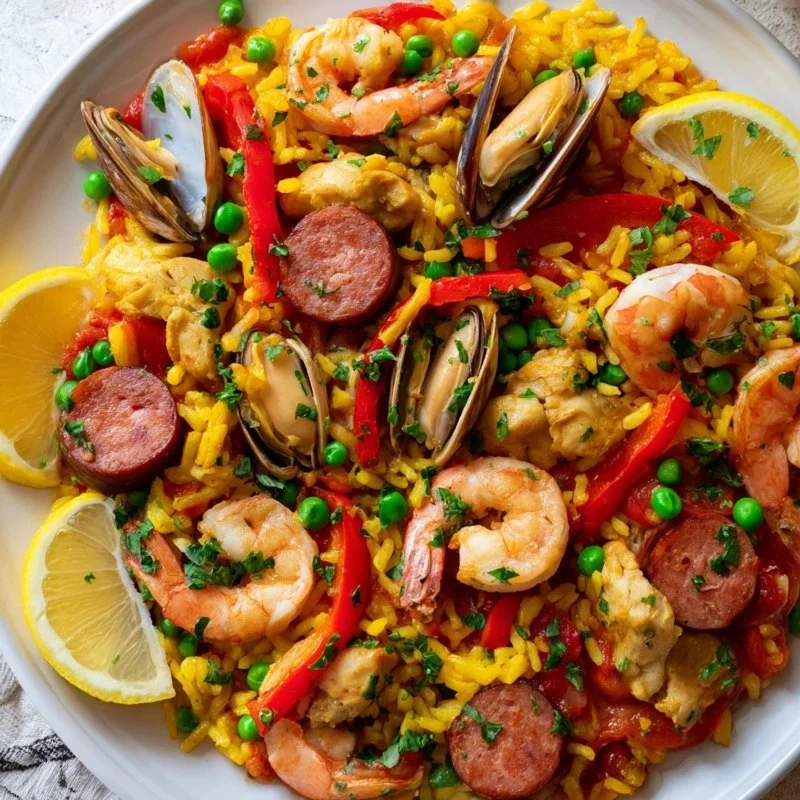
What Makes Authentic Spanish Seafood Rice with Saffron Broth So Special
- cultural-roots-of-paella - The history behind traditional Spanish rice dishes from Valencia
- saffron-broth-flavor-base - Why saffron defines the signature aroma and color
- seafood-selection-techniques - Choosing shrimp, mussels, and calamari for depth of flavor
- rice-cooking-precision - The importance of texture and heat control
- pan-and-cooking-methods - Why wide shallow pans matter in authentic preparation
- common-home-cooking-mistakes - What usually goes wrong in non-traditional versions
- real-kitchen-experiences - Stories from home cooks recreating Spanish cuisine
The Cultural Heart of Spanish Seafood Rice
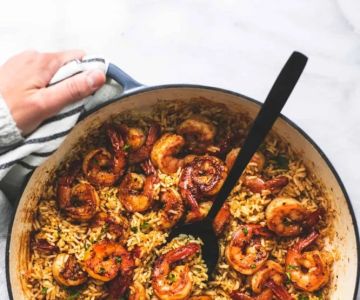
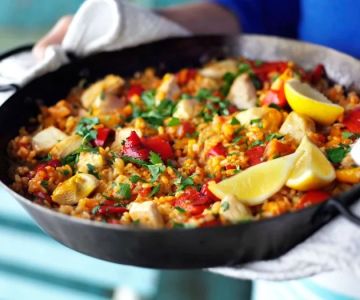
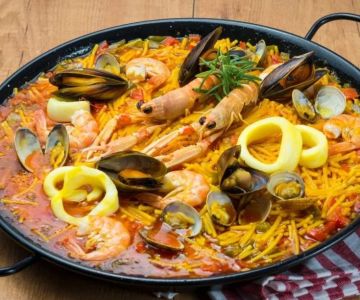
The dish known as Authentic Spanish Seafood Rice with Saffron Broth is more than just a meal—it is a reflection of coastal Spanish culture, especially from regions like Valencia and Murcia. It blends land and sea in a single pan, capturing the rhythm of Mediterranean cooking.
Traditionally, this dish evolved from rural cooking practices where families used available seafood, short-grain rice, and locally harvested saffron. Over time, it became a symbol of celebration and shared meals, often prepared outdoors over open fire.
One culinary traveler visiting coastal Spain described watching a fisherman’s family prepare seafood rice directly on the beach using fresh-caught mussels and shrimp. The aroma of saffron broth carried across the shoreline, creating an unforgettable sensory experience.
Why Saffron Broth Defines the Entire Flavor Profile
The Role of Saffron in Spanish Cooking
Saffron is the foundation of any true Spanish seafood rice dish. It provides a golden color, earthy aroma, and subtle floral bitterness that cannot be replicated by substitutes.
Even a small amount of saffron infused into warm broth transforms simple rice into a deeply aromatic base that absorbs seafood essence perfectly.

Building the Perfect Broth Base
A proper saffron broth is typically made using fish stock, shellfish shells, garlic, onion, and olive oil. The broth should be layered in flavor before it even meets the rice.
This step is often underestimated by home cooks, yet it defines whether the final dish tastes flat or richly authentic.
Choosing the Right Seafood for Depth and Balance
Combining Texture and Flavor
A successful seafood rice dish depends on variety. Shrimp provides sweetness, mussels add briny depth, and calamari contributes a chewy texture that balances the dish.
Freshness is non-negotiable. In Spanish coastal cooking, seafood is often sourced the same day it is prepared, ensuring maximum flavor intensity.
Real Kitchen Example: A Home Cook’s First Attempt
A home cook in California once attempted to recreate this dish using frozen seafood mix. While the result was edible, the flavor lacked the ocean freshness expected from traditional preparation.
After switching to fresh mussels and shrimp, the same recipe transformed dramatically, proving how ingredient quality defines authenticity.
The Art of Cooking Rice the Spanish Way
Choosing the Correct Rice Type
Short-grain rice such as Bomba or Calasparra is essential because it absorbs liquid evenly without becoming mushy. This allows the saffron broth to infuse every grain.
Heat Control and Layer Formation
Unlike risotto, Spanish seafood rice is not constantly stirred. The goal is to develop a slightly crispy base layer known as “socarrat,” which is highly prized in traditional cooking.
This texture contrast between soft rice and caramelized bottom layer is what gives the dish its signature complexity.
Cooking Techniques That Define Authenticity
Using the Right Pan
Wide, shallow pans allow rice to cook evenly and ensure proper evaporation of liquid. This is a key requirement in traditional Spanish preparation.
Deep pots trap steam and disrupt texture balance, often resulting in uneven cooking.
Layering Ingredients in Sequence
Seafood, broth, and rice are added in a specific order to ensure proper flavor integration. Timing is critical, as overcooking seafood can lead to rubbery texture.
Common Mistakes When Making Seafood Rice at Home
One of the most frequent errors is over-stirring the rice, which releases too much starch and creates a creamy texture closer to risotto rather than traditional Spanish rice.
Another mistake is adding seafood too early, causing it to overcook and lose its natural sweetness.
In a well-known food blog experiment, two versions of the same recipe were compared. The properly layered version had significantly better flavor separation and texture complexity.
Real-Life Story: A Family Gathering Inspired by Spain
A family in New York recreated this dish during a summer gathering after returning from a trip to Barcelona. They described how preparing Authentic Spanish Seafood Rice with Saffron Broth became a shared activity that brought everyone into the kitchen.
The process itself became part of the experience—crushing saffron threads, simmering broth, and arranging seafood before the final cooking stage.
By the end of the meal, the dish had become more than food; it was a memory tied to culture and shared discovery.
Bringing Spanish Culinary Tradition Into Your Kitchen
Cooking this dish at home is not just about following steps—it is about respecting tradition and understanding how each ingredient contributes to the final experience.
For those exploring authentic ingredients, cookware, or inspiration for Spanish cuisine, Rubi Spanish Table offers a curated selection that helps bring traditional Mediterranean cooking into modern kitchens.
Why This Dish Continues to Inspire Global Home Cooks
The appeal of Spanish seafood rice lies in its balance—simple ingredients elevated through technique, patience, and cultural respect. It is both rustic and refined, making it accessible yet deeply sophisticated.
As more home cooks explore global cuisine, this dish remains a gateway into understanding how regional cooking traditions shape flavor and identity.
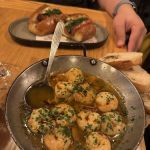 Boqueria Soho4.0 (2963 reviews)
 Taberna del Alabardero4.0 (1464 reviews)
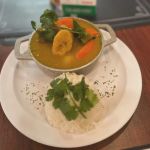 Del Patio Restaurant5.0 (8 reviews)
 Brown Sugar Bar & Restaurant4.0 (934 reviews)
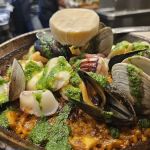 Boqueria W40th4.0 (2909 reviews)
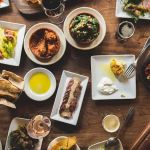 Barcelona Wine Bar4.0 (2362 reviews)
 Exploring Spanish Desserts: From Flan to Tarta de Santiago
 How to Make Spanish Merluza a la Vasca: Basque-style Hake
 How to Make Spanish Arroz al Horno: Baked Rice with Meat and Vegetables
 Easy Spanish Paella with Chicken Only Recipe for Home Cooks
 Authentic Spanish Chicken Croquettes Recipe Step by Step
 How to Make Spanish Piquillos Rellenos de Queso: Cheese Stuffed Peppers