
- Ingredients-basics-and-setup#foundation-of-authentic-spanish-paella
- Cooking-process-explained#how-chicken-and-shrimp-build-flavor
- Saffron-rice-technique#why-texture-makes-the-difference
- Common-mistakes-to-avoid#what-ruins-a-traditional-paella
- Real-kitchen-story#how-this-dish-became-a-weekend-tradition
- Serving-and-experience#bringing-spanish-culture-to-your-table
Authentic Spanish Paella with Chicken and Shrimp: A Dish That Feels Like a Memory
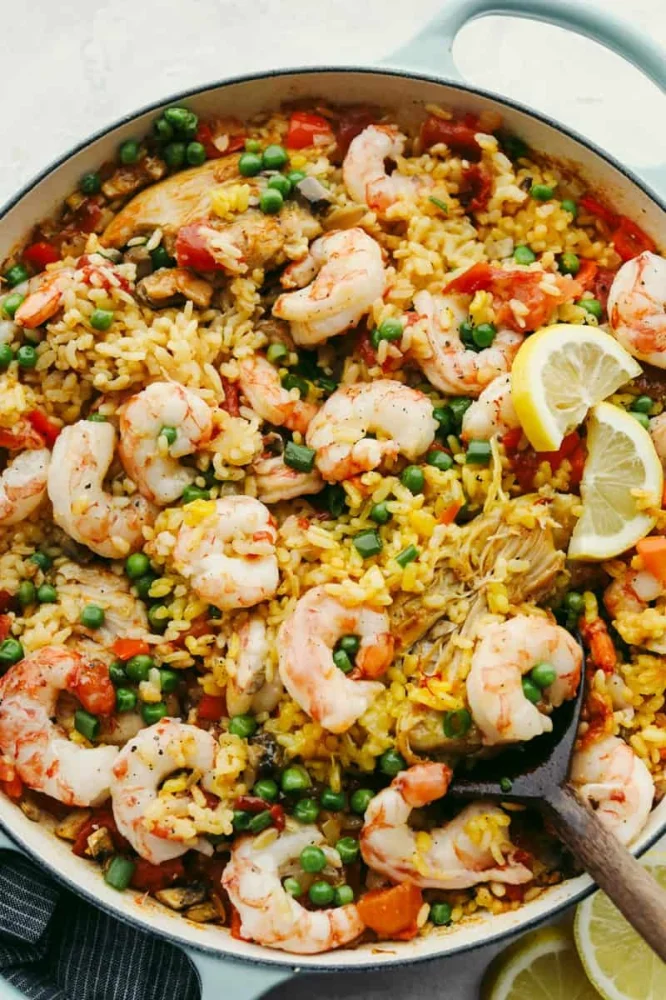
There’s something about authentic Spanish paella with chicken and shrimp that feels less like a recipe and more like an experience you step into. It’s not just food—it’s sound, smell, timing, and patience all working together in one wide pan. In many American kitchens, paella has slowly shifted from “restaurant-only dish” into something people try on weekends when they want to slow life down a little.
What makes this dish stand out is how it balances land and sea. Chicken brings depth and comfort, while shrimp adds brightness and a subtle sweetness that lifts the entire pan. When done right, it’s not complicated—but it does demand attention in a way that feels almost meditative.

Ingredients Basics and Setup
The foundation of traditional Spanish paella is surprisingly simple, but the quality of each element matters more than most people expect. At the center is short-grain rice, typically Bomba or Calasparra, which absorbs broth without turning mushy. This is where many home cooks accidentally go wrong by using long-grain rice, changing the entire structure of the dish.
Chicken pieces—usually thighs or drumsticks—are preferred because they stay juicy during the longer cooking process. Shrimp comes in later, almost like a finishing note rather than a base ingredient. The combination creates a layered flavor profile that defines authentic Spanish paella with chicken and shrimp.
Aromatic support comes from garlic, onion, smoked paprika, and saffron. That last ingredient, saffron, is often what separates an average attempt from something that feels truly traditional. It adds color, aroma, and a slightly earthy floral note that can’t really be substituted without losing identity.
If you’re exploring Mediterranean cooking more seriously, platforms like Rubi Spanish Table often help home cooks find more authentic ingredients that aren’t always available in standard grocery stores.
Cooking Process Explained
The cooking process for authentic Spanish paella with chicken and shrimp is built around layering rather than rushing. It begins with searing chicken in olive oil until the skin develops a deep golden color. This step is not just about appearance—it’s where the base flavor of the entire dish begins.
Once the chicken is set aside, vegetables are sautéed in the same pan, absorbing all the leftover richness. This is followed by adding rice, which is lightly toasted before broth is introduced. That moment when liquid meets rice is where the transformation starts.
The shrimp enters later in the process, usually placed on top of the rice so it gently steams rather than overcooks. This approach preserves its texture and prevents it from becoming rubbery. Timing here is everything, and even a few extra minutes can change the final result.
A real example comes from a home cook in California who shared how their first attempt went wrong because they stirred too often. Paella is one of those rare dishes where stirring actually works against you. The rice needs stillness to form its signature crust at the bottom, known as socarrat.
Saffron Rice Technique and Texture Importance
The rice in authentic Spanish paella with chicken and shrimp is not meant to be fluffy like pilaf or creamy like risotto. Instead, it sits somewhere in between—separate grains, but fully infused with broth and saffron.
One of the most overlooked aspects is heat control. Too high, and the bottom burns before the top cooks. Too low, and the liquid never properly reduces. Experienced cooks often adjust the pan position constantly, especially toward the final stages.
The texture is what makes or breaks the dish. When done correctly, you get a slight crisp layer underneath, soft but structured rice in the middle, and tender proteins distributed throughout. That contrast is what gives paella its signature character.
Common Mistakes That Change Everything
Many home cooks unintentionally drift away from tradition without realizing it. One of the biggest mistakes is overcrowding the pan. Paella is designed for wide, shallow cooking, not deep layering. When ingredients pile up, heat distribution becomes uneven.
Another issue is over-seasoning early. Because the broth reduces as it cooks, flavors naturally intensify. What tastes mild at the beginning often becomes perfectly balanced later. Adding too much salt too soon can throw everything off.
Shrimp timing is another critical factor. Adding it too early leads to a rubbery texture that doesn’t reflect the elegance of authentic Spanish paella with chicken and shrimp. Waiting until the final phase preserves its natural sweetness and tenderness.
A Weekend Kitchen Story That Changed Perspective
A small but memorable story comes from a family gathering in Texas, where paella became a weekend experiment after a trip to Barcelona. The first attempt was chaotic—too much stirring, uneven heat, and shrimp added too early. It wasn’t perfect, but something interesting happened: everyone still gathered around the pan, eating directly from it, talking longer than usual.
The second attempt a week later was different. The cook slowed down, followed timing more carefully, and focused on letting the rice develop naturally. That version didn’t just taste better—it felt intentional. That’s often what happens with this dish. It teaches patience more than technique.
Moments like this are why many people continue refining their approach to authentic Spanish paella with chicken and shrimp. It becomes less about perfection and more about rhythm.
Serving and the Full Experience
Paella is rarely meant to be plated individually in its traditional form. Instead, it’s brought directly to the table in the same pan it was cooked in. This creates a shared experience that’s central to Spanish dining culture.
Fresh lemon wedges, a drizzle of olive oil, and a simple green salad are often enough to complete the meal. The goal is not to overwhelm the dish but to highlight its core flavors.
When serving authentic Spanish paella with chicken and shrimp at home, the atmosphere matters just as much as the food. A warm table, relaxed pacing, and shared conversation turn it into something more meaningful than a simple dinner.
For those looking to explore deeper variations or find high-quality ingredients for Spanish cooking, Rubi Spanish Table can be a helpful place to discover authentic essentials that support traditional flavor building.
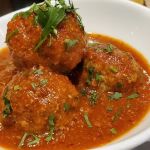 Addictive Wine and Tapas4.0 (432 reviews)
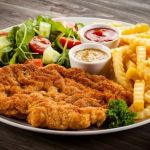 Spain Restaurant4.0 (486 reviews)
 Barrio Español4.0 (232 reviews)
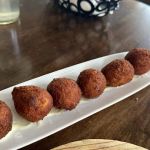 SER Restaurant4.0 (1007 reviews)
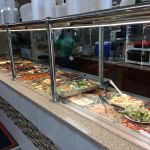 R&J Grocery & Deli4.0 (199 reviews)
 Canela Bistro Bar4.0 (553 reviews)
 How to Make Spanish Migas con Chorizo y Huevos: A Flavorful Bread, Sausage, and Egg Dish
 Spanish Chicken and Potatoes One Pan Recipe
 Traditional Spanish Pork Tenderloin with Garlic Sauce: A Delicious Spanish Recipe
 Spanish Party Food Recipes with Classic Tapas
 Spanish Dinner Recipes with Traditional Techniques: A Flavorful Experience
 The Best Spanish Restaurants in Dallas for Authentic Mediterranean Flavors