
- 1-spanish-seafood-dinner-tradition
- 2-why-seafood-is-important-in-spanish-cuisine
- 3-classic-spanish-seafood-dinner-ideas
- 4-regional-spanish-seafood-specialties
- 5-how-to-create-a-spanish-seafood-dinner-at-home
- 6-common-mistakes-when-cooking-spanish-seafood
- 7-pairing-drinks-and-sides-with-seafood-dinners
- 8-modern-spanish-seafood-dining-experience
1. Spanish Seafood Dinner Tradition
Spanish cuisine is famous around the world for its bold flavors, fresh ingredients, and relaxed approach to sharing food. Among all culinary traditions in Spain, seafood has a special place because of the country’s long coastline, fishing heritage, and connection to the Mediterranean Sea and Atlantic Ocean.
For anyone searching for Spanish Dinner Ideas with Seafood Focus, the possibilities go far beyond a simple seafood dish. A true Spanish seafood dinner is about creating an experience that combines fresh ingredients, traditional cooking methods, vibrant flavors, and time spent with family or friends.
From the colorful seafood paella of Valencia to the garlic-rich shrimp dishes found throughout coastal towns, Spanish seafood meals represent a balance between simplicity and sophistication. Many traditional recipes use only a few ingredients, allowing the natural flavor of seafood to become the center of attention.

The Role of Sharing in Spanish Meals
Spanish dinners are often social occasions rather than rushed meals. Instead of focusing only on eating quickly, people gather around the table, enjoy conversation, and share multiple dishes.
This tradition makes seafood especially suitable for dinner gatherings. A large pan of paella, a plate of grilled fish, or several small tapas dishes encourage everyone to try different flavors and participate in the meal.
Important elements of a Spanish seafood dinner include:
Fresh seafood: Quality ingredients create the foundation of authentic flavor.
Simple preparation: Traditional Spanish cooking often highlights natural taste instead of hiding it.
Shared dishes: Meals are designed to bring people together.
Regional influences: Different areas of Spain offer unique seafood traditions.
2. Why Seafood Is Important in Spanish Cuisine
Spain’s geography has strongly influenced its food culture. With thousands of miles of coastline, seafood has been part of daily life for generations.
Fishing communities developed cooking techniques that preserved freshness and enhanced natural flavors. These methods eventually became important parts of Spanish culinary identity.
Coastal Influences on Spanish Food
Different coastal regions developed their own seafood specialties based on local ingredients.
In Galicia, seafood traditions focus on shellfish such as mussels, clams, and octopus. Along the Mediterranean coast, rice dishes and seafood combinations became popular. Southern regions often combine seafood with spices, olive oil, and fresh vegetables.
This regional diversity creates endless options for anyone exploring Spanish seafood dinner recipes.
Seafood as a Seasonal Ingredient
Traditional Spanish cooking respects seasonal availability. Instead of forcing every ingredient into every recipe throughout the year, Spanish cooks often choose seafood based on what is freshest.
This approach improves flavor and supports a more authentic dining experience.
3. Classic Spanish Seafood Dinner Ideas
When planning a Spanish seafood dinner, traditional recipes provide an excellent starting point. These dishes represent some of the most recognizable flavors of Spanish cuisine.
Seafood Paella
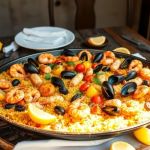
Seafood paella is one of Spain’s most famous dishes and a favorite choice for those looking for Spanish Dinner Ideas with Seafood Focus.
Originating from Valencia, paella combines rice, seafood, saffron, olive oil, and aromatic vegetables. The dish is traditionally cooked in a wide, shallow pan that allows the rice to develop texture and flavor.
A well-prepared seafood paella is not about adding the largest amount of seafood possible. The goal is balance. The rice should absorb the flavors from the seafood stock while maintaining the distinct taste of shrimp, mussels, clams, or fish.
Tips for better seafood paella:
1. Use quality seafood stock for deeper flavor.
2. Avoid constantly stirring the rice because traditional paella develops a special bottom layer called socarrat.
3. Add delicate seafood at the right time to prevent overcooking.
Gambas al Ajillo
Gambas al Ajillo, or Spanish garlic shrimp, is a simple but impressive dish. Shrimp are cooked with olive oil, garlic, and chili, creating a flavorful appetizer or dinner addition.
The secret is using good-quality olive oil because it becomes part of the sauce. Many people enjoy dipping crusty bread into the remaining garlic-infused oil.
Spanish Grilled Fish
Fresh grilled fish represents the simplicity of coastal Spanish cooking. Sea bass, sardines, and other local fish are often prepared with olive oil, lemon, herbs, and sea salt.
This style allows the seafood itself to remain the main attraction.
4. Regional Spanish Seafood Specialties
Exploring regional dishes is one of the best ways to understand Spanish seafood culture. Each area offers unique recipes shaped by geography and history.
Galician Seafood Traditions
Galicia in northern Spain is known for exceptional seafood. The region’s cold Atlantic waters provide ideal conditions for shellfish.
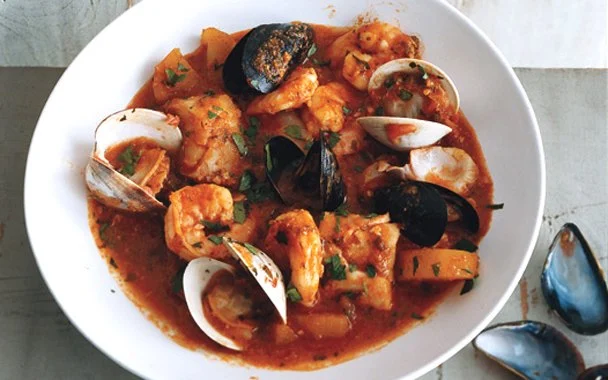
Popular dishes include octopus prepared with paprika and olive oil, steamed mussels, and seafood stews filled with local ingredients.
Andalusian Seafood Flavors
Southern Spain combines seafood with Mediterranean influences. Fried fish, seafood tapas, and dishes featuring olive oil, garlic, and peppers are common.
The warm climate and relaxed dining culture make Andalusian seafood meals especially appealing during outdoor gatherings.
Catalan Seafood Cooking
Catalonia offers seafood dishes that often combine Mediterranean ingredients with creative sauces and cooking techniques.
Traditional recipes may include seafood stews, rice dishes, and combinations of seafood with vegetables and herbs.
5. How to Create a Spanish Seafood Dinner at Home
Creating a Spanish seafood dinner at home does not require professional cooking skills. The key is choosing quality ingredients and understanding the basic principles of Spanish flavor combinations.
Choosing the Right Seafood
Fresh seafood creates the best results. When shopping, look for seafood with a clean ocean smell, firm texture, and fresh appearance.
Frozen seafood can also work well, especially when high-quality fresh options are unavailable. Many professional kitchens use frozen seafood because modern freezing techniques preserve quality.
Building Spanish Flavor Foundations
Many Spanish seafood dishes rely on a few essential ingredients:
Extra virgin olive oil: Adds richness and carries other flavors.
Garlic: Provides a familiar Mediterranean aroma.
Saffron and paprika: Create traditional Spanish color and depth.
Fresh herbs: Add brightness and balance.
Creating a Complete Dinner Menu
A balanced Spanish seafood dinner might include:
1. A small seafood appetizer.
2. A main seafood rice dish or grilled fish.
3. Fresh salad or roasted vegetables.
4. A traditional Spanish dessert.
Restaurants and culinary experiences such as Rubi Spanish Table can also inspire guests who want to explore authentic Spanish flavors and discover new seafood combinations.
6. Common Mistakes When Cooking Spanish Seafood
Overcooking Seafood
One of the most common mistakes is cooking seafood too long. Shrimp can become rubbery, and fish can lose moisture if exposed to excessive heat.
Timing is essential when preparing seafood dishes.
Using Too Many Flavors
Spanish seafood recipes often appear complex but usually depend on balance. Adding too many spices can overpower the natural taste of seafood.
Ignoring Ingredient Quality
No cooking technique can completely replace fresh, quality ingredients. Choosing better seafood usually creates a bigger improvement than adding more seasoning.
7. Pairing Drinks and Sides With Seafood Dinners
The right side dishes and beverages can make a Spanish seafood dinner feel complete.
Traditional Side Dishes
Popular options include:
Pan con tomate: Toasted bread with tomato, olive oil, and seasoning.
Spanish salads: Fresh vegetables provide balance alongside seafood.
Roasted vegetables: Add warmth and Mediterranean character.
Drink Pairings
Spanish seafood dishes often pair well with refreshing beverages. White wines, sparkling drinks, and light options complement seafood flavors without overpowering them.
8. Modern Spanish Seafood Dining Experience
Modern chefs continue to reinterpret Spanish seafood traditions by combining classic techniques with new ideas.
Today’s Spanish seafood dining may include creative presentations, sustainable seafood choices, and international influences while maintaining traditional foundations.
Combining Tradition and Creativity
The beauty of Spanish cuisine is its ability to evolve. A modern seafood dish can respect traditional flavors while introducing new textures and ingredients.
For home cooks, this means there is room for creativity. You can begin with a traditional recipe and adjust it based on available ingredients and personal preferences.
Making Seafood Dinners Memorable
A great Spanish seafood dinner is not only about the food on the plate. It is about atmosphere, conversation, and enjoying the moment.
Whether preparing seafood paella for family, hosting friends for tapas, or exploring Spanish culinary experiences, seafood-focused meals offer a delicious way to connect with Spanish culture.
Exploring Spanish Dinner Ideas with Seafood Focus opens the door to a world of flavors built around fresh ingredients, regional traditions, and meaningful dining experiences. With the right techniques and appreciation for Spanish cooking principles, anyone can create a seafood dinner inspired by the warmth and creativity of Spain.


 Los Latinos Deli & Grill4.0 (151 reviews)
 Bulla Gastrobar4.0 (10428 reviews)
 Casa Mono4.0 (1781 reviews)
 Latin Deli Restaurant5.0 (3 reviews)
 L.I. Valle Grill4.0 (180 reviews)
 Meson Español4.0 (772 reviews)
 How to Make Authentic Spanish Paella at Home
 How to Make Spanish Fabada Asturiana: Authentic Bean Stew Recipe | Rubi Spanish Table
 Exploring the Regional Cuisines of Spain: A Culinary Journey Through Spain’s Flavors
 How to Make Spanish Tarta de Manzana: Apple Cake
 Easy Spanish Rice with Fresh Vegetables - A Simple, Flavorful Recipe
 Easy Spanish Pan con Tomate with Rustic Bread