Why Easy Spanish Pan con Tomate with Rustic Bread Is More Than Just Toast
- -easy-spanish-pan-con-tomate-with-rustic-bread-history-and-cultural-origins
- -how-to-make-authentic-pan-con-tomate-step-by-step-guide
- -choosing-the-right-rustic-bread-for-best-flavor-and-texture
- -olive-oil-and-tomato-quality-why-ingredients-matter-most
- -regional-variations-across-catalonia-and-spain
- -real-home-experience-and-spanish-family-breakfast-traditions
- -common-mistakes-when-making-pan-con-tomate
- -how-to-serve-and-pair-this-classic-spanish-tapa
The Heart of Catalonia on a Slice of Bread
The simplicity of Easy Spanish Pan con Tomate with Rustic Bread is what makes it unforgettable. At first glance, it may look like just toasted bread rubbed with tomato, but in Spain—especially in Catalonia—it represents tradition, identity, and everyday comfort food.
This dish is deeply rooted in rural Spanish cooking, where farmers used ripe tomatoes, olive oil, and leftover bread to create something nourishing and satisfying. Today, it has become one of the most iconic tapas in Spanish cuisine, served everywhere from home kitchens to upscale restaurants.
At culinary shops like Rubi Spanish Table, home cooks often discover that the secret to authentic flavor lies not in complexity, but in ingredient quality and technique.

Rachells La zacualpeñita
New BedfordBristol CountyMassachusetts
804 Brock Ave, New Bedford, MA 02744, USA
Understanding the Origins of Pan con Tomate
Pan con tomate originated in Catalonia, where tomatoes were introduced to European cuisine centuries ago. The idea was simple: soften stale bread with ripe tomato pulp, drizzle with olive oil, and add a pinch of salt.
Over time, this humble preparation became a staple across Spain. It is commonly eaten for breakfast, as a snack, or alongside cured meats and cheeses.
What makes it special is not just taste, but ritual. In many Spanish households, preparing pan con tomate is a shared experience, often done quickly but with care, especially during relaxed weekend mornings.

Tablao Wine Bar & Restaurant
NorwalkWestern Connecticut Planning RegionConnecticut
86 Washington St, Norwalk, CT 06854, USA
Choosing the Right Rustic Bread for Authentic Flavor
The foundation of great pan con tomate is the bread. Rustic bread with a firm crust and airy interior works best because it holds up to moisture without becoming soggy.
Traditional Spanish-style bread such as pan de campo or sourdough-style loaves are ideal. The bread should be toasted lightly until the surface becomes crisp while maintaining a soft center.
If the bread is too soft, it will collapse under the tomato. If it is too hard, it will overpower the delicate texture of the dish.
The Role of Tomatoes and Olive Oil in Flavor Balance
Tomatoes are the soul of this dish. In Spain, ripe vine tomatoes or plum tomatoes are commonly used because of their natural sweetness and low water content.
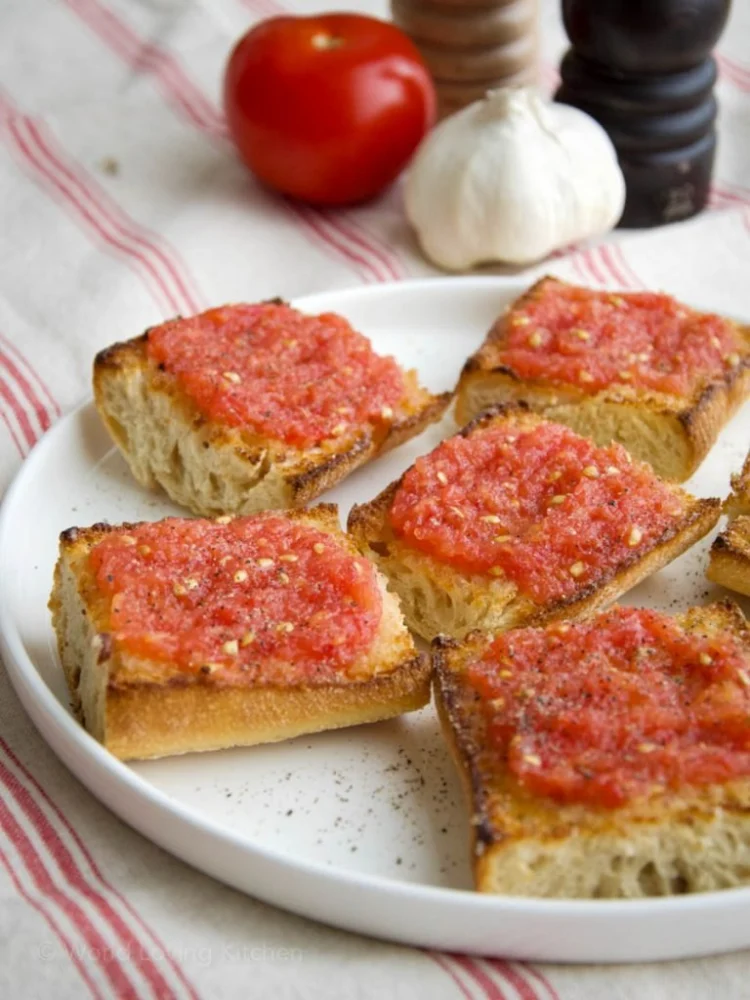
The traditional method involves cutting the tomato in half and rubbing it directly onto the warm toasted bread. This releases pulp, juice, and flavor without turning the bread into mush.
Extra virgin olive oil is equally important. A high-quality oil adds depth, fruitiness, and a smooth finish that ties the entire dish together.
A small pinch of sea salt enhances the natural sweetness of the tomato and brings balance to the flavor profile.
Step-by-Step Way to Make Easy Spanish Pan con Tomate
The beauty of this dish lies in its simplicity, but technique still matters.
Start by toasting slices of rustic bread until lightly golden. While the bread is still warm, cut a ripe tomato in half and gently rub it across the surface.
Next, drizzle a modest amount of olive oil over the top. Finish with a sprinkle of salt.
Some variations include rubbing garlic on the bread before adding tomato for an extra layer of flavor. Others prefer adding thin slices of jamón for a more complete tapa experience.
Regional Variations Across Spain
While Catalonia is the birthplace of pan con tomate, other regions have their own interpretations.
In Andalusia, the dish may include garlic more prominently. In Valencia, it is often paired with fresh local olive oils that give it a slightly peppery finish.
Some modern Spanish restaurants even experiment with heirloom tomatoes or flavored oils, while still preserving the essence of the dish.
At specialty retailers like Rubi Spanish Table, these regional ingredients are often curated for home cooks who want to recreate authentic experiences.
Real-Life Spanish Breakfast Culture and Everyday Use
In Spain, pan con tomate is not treated as a gourmet dish—it is everyday food. Many families eat it for breakfast with coffee or as an afternoon snack.
A common scene in Barcelona cafés involves locals ordering a simple plate of pan con tomate alongside espresso, reading newspapers, and slowly starting their day.
One traveler once described watching a Spanish grandmother prepare it in under two minutes using just bread, tomato, and olive oil. Despite its simplicity, the flavor was unforgettable.
This reflects the Spanish philosophy of food: quality ingredients prepared simply can be more satisfying than complex recipes.
Common Mistakes When Making Pan con Tomate
One of the most common mistakes is using unripe tomatoes. Without proper ripeness, the dish loses its natural sweetness and richness.
Another issue is over-toasting the bread, which can make it too hard and difficult to enjoy.
Some beginners also add too many toppings, which shifts the dish away from its traditional simplicity.
The goal is balance: bread, tomato, oil, and salt working together without overpowering each other.
How to Serve and Pair This Classic Spanish Dish
Pan con tomate pairs beautifully with a variety of foods. It is often served alongside cheeses like manchego or cured meats such as jamón serrano.
It also works well as a side dish for soups, grilled vegetables, or seafood plates.
In modern tapas culture, it is frequently included as part of a shared dining experience, encouraging conversation and slow eating.
Bringing Spanish Tradition Into Your Own Kitchen
Making Easy Spanish Pan con Tomate with Rustic Bread at home is one of the easiest ways to experience authentic Spanish culture without complicated cooking techniques.
With just a few high-quality ingredients and a few minutes of preparation, you can recreate a dish that has been enjoyed for generations across Spain.
For those looking to explore authentic ingredients, culinary sources like Rubi Spanish Table offer curated selections that help bring traditional Spanish flavors into everyday cooking.
Once you understand the balance behind this dish, it becomes more than just a recipe—it becomes a ritual worth repeating.


 Equis Pica Pollo Fulton4.0 (40 reviews)
 Montanita puerto de Cancun family restaurante bar4.0 (32 reviews)
 Nano's NJ4.0 (96 reviews)
 Tapa Toro4.0 (2746 reviews)
 Picaro4.0 (1543 reviews)
 Top of The V3.0 (242 reviews)
 Exploring Spanish Tapas That Pair Perfectly with Wine
 The Secret to Perfectly Grilled Spanish Chorizo: Tips and Techniques
 Traditional Spanish Seafood Soup with Fresh Herbs
 Spanish Dinner Recipes for Weekend Cooking: Easy & Authentic Ideas
 The Best Spanish Food Markets in La Coruña for Fresh Seafood, Vegetables, and Meats
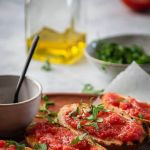 Easy Spanish Pan con Tomate with Rustic Bread Recipe Guide