- easter-traditions - Cultural meaning behind Spanish Easter recipes and Semana Santa meals
- regional-dishes - How different regions in Spain celebrate Easter with unique foods
- classic-recipes - Iconic traditional Spanish holiday dishes prepared during Easter
- desserts-and-sweets - Famous Spanish Easter desserts and their cultural roots
- home-cooking - How to recreate Spanish Easter cuisine at home
- modern-twists - Contemporary interpretations of traditional holiday dishes
The Cultural Heart of Spanish Easter Recipes and Why They Matter
Spanish Easter recipes are more than seasonal meals—they represent centuries of faith, family tradition, and regional identity. During Semana Santa, Spain transforms into a country filled with processions, gatherings, and kitchens that carry forward generations of culinary memory. Food becomes part of the celebration itself, connecting people to history and community in a deeply personal way.
Unlike many modern holiday menus that rely on convenience, traditional Spanish holiday dishes are rooted in patience, symbolism, and seasonal ingredients. Many families still prepare recipes that were passed down from grandparents, especially during Holy Week when gatherings are centered around shared meals rather than fast consumption.
Semana Santa Food Culture Across Spain’s Regions
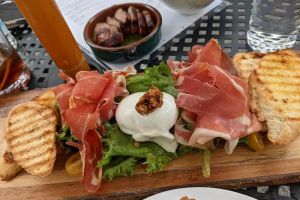
One of the most fascinating aspects of Spanish Easter cuisine is how dramatically it changes from region to region. Coastal areas lean heavily on seafood-based dishes due to religious fasting traditions, while inland regions rely on legumes, vegetables, and preserved ingredients.
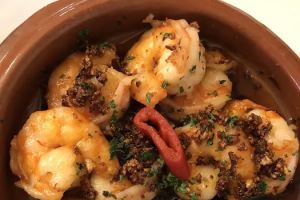
Spanish Restaurant Tapas - Alcala
New YorkNew York CountyNew York
246 E 44th St, New York, NY 10017, USA
Andalusia and the Influence of Deep-Fried Traditions
In southern Spain, Andalusia is known for its rich tapas culture during Easter. Fried fish, cod-based stews, and simple but flavorful vegetable dishes dominate the table. One of the most iconic preparations is bacalao con tomate, a salted cod simmered in tomato sauce that reflects both historical preservation techniques and modern comfort food appeal.
Castile and Hearty Inland Cooking
In central Spain, Easter meals often revolve around soups and slow-cooked legumes. Dishes like potaje de vigilia, a chickpea stew with spinach and cod, are traditional staples during Holy Week fasting periods. These meals are filling yet simple, emphasizing nourishment over indulgence.
Classic Spanish Easter Recipes That Define Tradition
Traditional Spanish holiday dishes are often tied to religious observance, especially during Lent and Easter week. Many recipes avoid red meat and instead focus on fish, vegetables, and grains, creating a distinctive seasonal culinary identity.
Bacalao-Based Dishes and Their Historical Role
Salted cod (bacalao) became essential in Spanish Easter cuisine due to its preservation ability before refrigeration. Over time, it evolved into countless recipes, from stews to fried dishes, each reflecting regional creativity and available ingredients.
Families often prepare bacalao al pil pil or bacalao a la vizcaína during Easter gatherings, showcasing how a simple preserved ingredient can become a centerpiece of celebration.
Potaje de Vigilia and the Meaning of Fasting Meals
This traditional chickpea stew symbolizes humility and discipline during Semana Santa. It blends chickpeas, spinach, cod, and boiled egg into a comforting dish that represents both restraint and nourishment.
Many Spanish households still prepare potaje de vigilia on Good Friday, maintaining a culinary ritual that has remained unchanged for centuries.
Sweet Traditions: Spanish Easter Desserts That Define the Season
No discussion of Spanish Easter recipes is complete without exploring the desserts. These sweets often reflect regional creativity and historical influences from both Moorish and Christian culinary traditions.
Torrijas: Spain’s Answer to French Toast
Torrijas are one of the most iconic Easter desserts in Spain. Made from stale bread soaked in milk or wine, then fried and coated in sugar and cinnamon, they represent resourcefulness and indulgence at the end of Lent.
In Madrid, bakeries compete to create the most flavorful versions, often adding honey, citrus zest, or infused syrups.
Pestiños and Regional Variations
In Andalusia, pestiños are deep-fried pastries coated in honey or sugar. Their crunchy texture and floral sweetness make them a staple during Easter celebrations and festive gatherings.
Real Family Story: Easter in a Spanish Coastal Town
In a small coastal town near Valencia, one family shared how Easter preparation begins weeks in advance. The grandmother starts preparing preserved cod dishes, while younger generations handle desserts like torrijas. What makes their tradition special is not just the food, but the collective effort—each person contributing to a shared memory.
During Semana Santa processions, the family returns home to a table filled with traditional Spanish holiday dishes, reinforcing a sense of continuity between past and present. Visitors often describe the experience as “stepping into a living cookbook.”
How to Recreate Spanish Easter Cuisine at Home
Bringing Spanish Easter recipes into a modern kitchen outside Spain is more achievable than many people think. While some ingredients like salted cod may require specialty sourcing, most dishes rely on simple techniques and accessible ingredients.
Building the Right Pantry
A well-prepared pantry for Spanish Easter cooking includes olive oil, chickpeas, smoked paprika, garlic, onions, and preserved fish. These foundational ingredients allow you to recreate many traditional dishes without extensive preparation.
Balancing Authenticity and Modern Convenience
Modern adaptations often replace time-consuming steps with simplified methods while preserving flavor integrity. For example, pressure cookers can reduce stew preparation time significantly without sacrificing depth of flavor.
For curated ingredients, specialty tools, and inspiration for authentic cooking experiences, many home cooks explore Rubi Spanish Table to better understand regional Spanish culinary traditions.
Modern Interpretations of Traditional Spanish Holiday Dishes
In recent years, chefs have begun reimagining Spanish Easter cuisine for global audiences. Some modern restaurants present deconstructed torrijas or fusion-style bacalao dishes that incorporate international flavors.
Despite these innovations, the essence of the cuisine remains intact: respect for ingredients, seasonal awareness, and cultural storytelling through food.
Why Spanish Easter Recipes Continue to Inspire Global Food Culture
The global rise in interest toward Spanish Easter recipes reflects a broader trend of reconnecting with heritage cooking. People are increasingly drawn to food that tells a story rather than simply filling a plate.
Traditional Spanish holiday dishes offer exactly that—layers of history, regional identity, and emotional connection that continue to resonate far beyond Spain’s borders.
 Equis Pica Pollo Fulton4.0 (40 reviews)
 Montanita puerto de Cancun family restaurante bar4.0 (32 reviews)
 Nano's NJ4.0 (96 reviews)
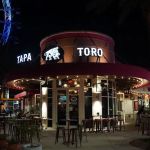 Tapa Toro4.0 (2746 reviews)
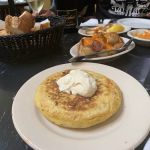 Picaro4.0 (1543 reviews)
 Top of The V3.0 (242 reviews)
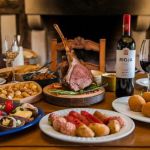 Exploring Spanish Tapas That Pair Perfectly with Wine
 The Secret to Perfectly Grilled Spanish Chorizo: Tips and Techniques
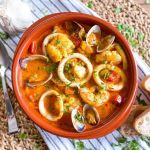 Traditional Spanish Seafood Soup with Fresh Herbs
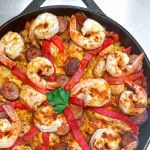 Spanish Dinner Recipes for Weekend Cooking: Easy & Authentic Ideas
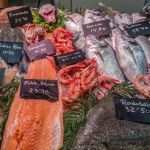 The Best Spanish Food Markets in La Coruña for Fresh Seafood, Vegetables, and Meats
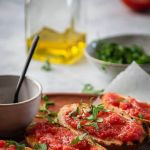 Easy Spanish Pan con Tomate with Rustic Bread Recipe Guide