
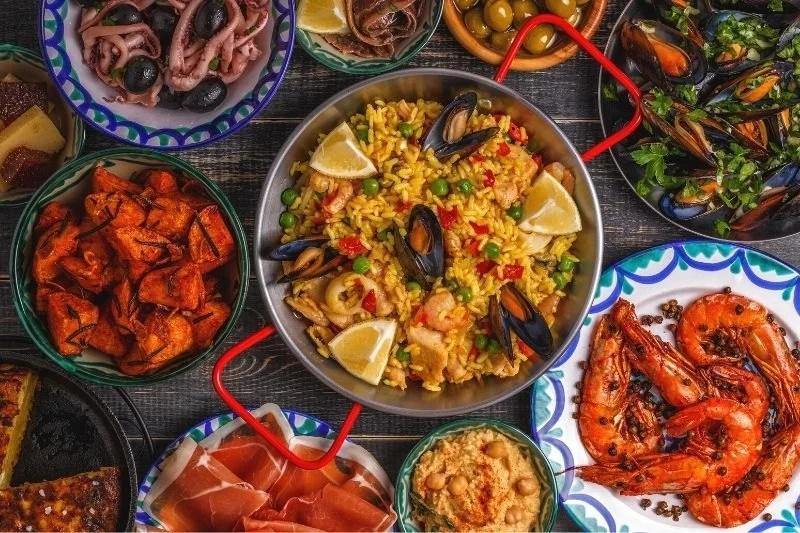
- The-Connection-Between-Seasons-and-Spanish-Cuisine
- Regional-Flavors-Shaped-by-Local-Harvests
- Traditional-Dishes-That-Change-Throughout-the-Year
- Real-Stories-of-Cooking-with-Fresh-Ingredients
- Bringing-Seasonal-Spanish-Cooking-into-Your-Kitchen
1. The Connection Between Seasons and Spanish Cuisine
Exploring Spanish culinary traditions through seasonal ingredients offers a deeper understanding of how culture, geography, and time of year shape what people eat. In Spain, meals are not only about taste but also about freshness, timing, and respect for local harvests. Seasonal cooking has been a part of daily life for generations, and it continues to influence how dishes are prepared today.

1.1 Why Seasonal Ingredients Matter in Spanish Food Culture
Spanish cuisine is rooted in simplicity and quality. When ingredients are fresh and in season, they require less preparation and allow natural flavors to shine. Tomatoes at their peak in summer, mushrooms in autumn, and citrus fruits in winter each bring a distinct character to traditional recipes.

Made Kitchen & Cocktails
AlpharettaFulton CountyGeorgia
45 Roswell St Suite B, Alpharetta, GA 30009, USA
1.2 The Relationship Between Farming and Cooking
For centuries, Spanish families have relied on local markets and small farms. Chefs and home cooks plan meals around what is available at that moment, creating a cuisine that changes throughout the year.
1.3 How Seasonal Eating Creates Authentic Experiences
1. Fresh produce enhances flavor and texture.
2. Seasonal dishes reflect local traditions.
3. Meals feel more connected to nature and community.
This connection is what makes traditional Spanish cooking feel genuine and deeply cultural.
2. Regional Flavors Shaped by Local Harvests
Spain’s diverse landscapes play a major role in shaping its cuisine. From coastal seafood to mountain-grown vegetables, each region has developed dishes based on what grows best locally.
2.1 Coastal Regions and Fresh Seafood Seasons
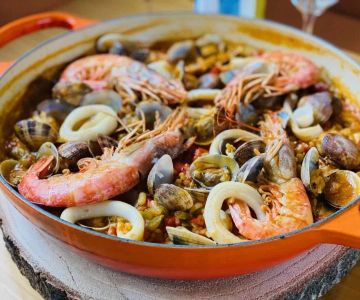
Along the Mediterranean and Atlantic coasts, seafood is a cornerstone of the diet. Seasonal catches influence menus, and many classic dishes are built around whatever fish and shellfish are freshest at the time.
2.2 Inland Areas and Agricultural Richness
Inland regions rely more heavily on grains, legumes, and meats. Seasonal vegetables like peppers, eggplants, and onions often become the base of comforting dishes prepared in family kitchens.
2.3 Local Markets as the Heart of Culinary Traditions
1. Farmers bring freshly harvested produce daily.
2. Chefs select ingredients based on quality and season.
3. Communities gather and share cooking ideas.
These local markets continue to preserve Spanish culinary traditions and keep seasonal cooking alive.
3. Traditional Dishes That Change Throughout the Year
Many authentic Spanish dishes are closely tied to specific times of the year. Exploring Spanish culinary traditions through seasonal ingredients means understanding how recipes evolve as the months change.
3.1 Summer Dishes Inspired by Fresh Produce
During warmer months, lighter meals become more common. Cold soups, grilled vegetables, and fresh salads highlight the abundance of tomatoes, cucumbers, and herbs. These dishes are refreshing and easy to prepare.
3.2 Autumn and Winter Comfort Foods
As temperatures drop, heartier meals take center stage. Stews made with beans, root vegetables, and slow-cooked meats reflect the need for warmth and comfort. These recipes often carry deep family traditions.
3.3 Spring as a Season of Renewal
1. New vegetables appear in markets.
2. Lighter dishes return to the table.
3. Celebrations often include seasonal specialties.
This natural cycle keeps Spanish food culture dynamic and closely connected to the land.
4. Real Stories of Cooking with Fresh Ingredients
Many travelers and food enthusiasts share stories about visiting Spanish towns and discovering how much importance is placed on seasonal cooking. One popular story often shared online describes a visitor who joined a small cooking class in a countryside village. The host insisted on walking to the market that morning to choose ingredients for the day’s meal, explaining that the freshness would define the final flavor.
4.1 A Market Visit That Changed Perspective
The visitor expected to simply follow a recipe, but instead learned how to select vegetables based on smell, texture, and color. That experience revealed how Spanish culinary traditions rely more on instinct and freshness than on strict measurements.
4.2 Family Traditions Passed Through Generations
Many Spanish families pass down recipes that change slightly each year depending on what is available. This flexibility keeps the food authentic and personal, making every meal unique.
4.3 Why These Experiences Feel Memorable
1. Cooking becomes more meaningful when ingredients are chosen carefully.
2. Meals feel connected to place and time.
3. Sharing food creates lasting emotional memories.
These real-life moments help explain why seasonal Spanish recipes continue to inspire people around the world.
5. Bringing Seasonal Spanish Cooking into Your Kitchen
You don’t have to live in Spain to enjoy the beauty of seasonal cooking. Many American home cooks are now embracing the idea of preparing meals based on what is fresh and available locally, inspired by Spanish food culture.
5.1 Starting with Simple Seasonal Ingredients
Choosing fresh vegetables, herbs, and proteins that are in season can make home cooking more enjoyable and flavorful. Even simple dishes can capture the essence of traditional Spanish meals when quality ingredients are used.
5.2 Learning Through Experimentation
Trying new combinations and adapting recipes to what’s available can be part of the experience. Seasonal cooking encourages creativity and helps people feel more connected to their food.
5.3 Finding Inspiration and Quality Products
1. Explore traditional cooking techniques and presentations.
2. Use authentic ingredients when possible.
3. Look for reliable sources of culinary inspiration.
Many people turn to Rubi Spanish Table to discover items, ideas, and products that help bring the spirit of Spanish cuisine into their own kitchens, making seasonal cooking both accessible and enjoyable.
 Brendalys5.0 (4 reviews)
 Sabor De Mi Pais Restaurant4.0 (173 reviews)
 El Paladar – Latin Cuisine Restaurant5.0 (2 reviews)
 Ruby Bakery And Pizzeria3.0 (3 reviews)
 Buena Vida Tapas Bar4.0 (2334 reviews)
 Gabi James4.0 (327 reviews)
 Spanish Dinner Ideas for Family Gatherings
 How to Make Spanish Tarta de Almendra, Limón y Nuez: Almond, Lemon, and Nut Cake
 How to Make Spanish Tarta de Chocolate: Rich Chocolate Cake Recipe
 Exploring the Flavors of Andalusia: A Culinary Journey
 How to Make Spanish Tarta de Queso: Cheesecake Recipe
 How to Make Spanish Migas: A Traditional Bread and Garlic Dish