Discovering the History of Spanish Tapas and How They Evolved
vbnet复制代码- The Origin of Tapas
- How Tapas Evolved Over Time
- The Cultural Significance of Tapas in Spain
- Different Types of Tapas
- The Global Popularity of Tapas
- Why Choose Rubi Spanish Table for Authentic Tapas Ingredients
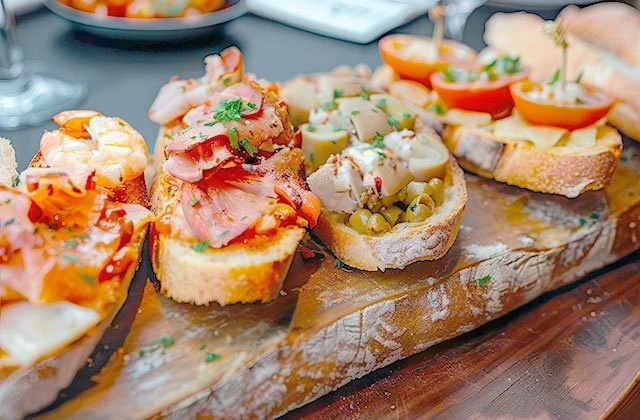
Tapas, those small, flavorful Spanish dishes, are a beloved part of Spanish cuisine. Their origins, however, are as diverse and rich as the country itself. While there are various legends about the beginning of tapas, one of the most widely accepted theories involves King Alfonso X of Castile in the 13th century. It is said that the king, recovering from an illness, was advised to drink wine with small bites of food to help aid his recovery. The tradition of covering his glass of wine with a small piece of food, to “tapar” (cover) it, eventually led to the practice of serving small portions of food alongside drinks in bars and taverns across Spain.
As centuries passed, tapas evolved from simple snacks to a diverse and elaborate range of dishes. In the early days, tapas were often limited to items like bread, olives, and cheese, served to accompany drinks. However, as Spain’s culinary traditions grew and regional flavors flourished, so did the variety of tapas. Each region of Spain developed its own unique take on tapas, influenced by local ingredients and customs. In modern Spain, tapas have become an integral part of social life. It is common to go "tapeo," or tapas-hopping, moving from bar to bar to enjoy different dishes. Over time, tapas have become more sophisticated, with gourmet versions featuring seafood, meats, vegetables, and even fusion recipes combining Spanish ingredients with international flavors.
Tapas are more than just food in Spain—they are an essential part of the country’s social culture. In Spain, food and drink are an integral part of socializing, and tapas embody this spirit perfectly. They encourage sharing, conversation, and a relaxed dining experience. Tapas bars, known as “tascas” or “tabernas,” are popular gathering spots where people come together after work or on weekends to enjoy a drink and a variety of small dishes.The tradition of tapas also plays a role in Spain's community-oriented culture. Each region’s distinct types of tapas reflect the local agricultural products, history, and regional pride. For example, the use of seafood tapas is particularly common in coastal regions, while hearty meat-based tapas are more popular in inland areas like Madrid and Castilla y León.
Tapas come in many forms, with each type reflecting Spain's rich and diverse culinary landscape. Here are some of the most iconic types of tapas that have become staples in Spanish cuisine:
1. Patatas Bravas
A quintessential Spanish tapa, patatas bravas are crispy fried potatoes served with a spicy tomato sauce or garlic aioli. They are often served in bars across Spain as a perfect companion to a cold drink.2. Gambas al Ajillo
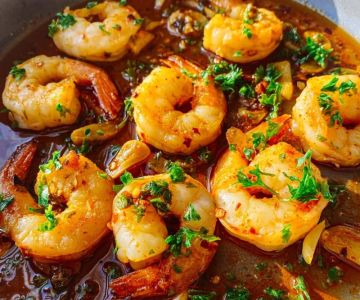
Gambas al ajillo is a popular tapa consisting of shrimp cooked in olive oil, garlic, and a touch of chili. This dish is perfect for seafood lovers and reflects Spain’s deep connection to the Mediterranean.3. Tortilla Española
The Spanish omelette, made with potatoes, onions, and eggs, is a staple in Spanish tapas culture. It can be served warm or cold and is often enjoyed as a snack or appetizer.4. Jamón Ibérico
One of the most famous Spanish tapas is jamón ibérico, a cured ham with an incredible depth of flavor. This dish is a must-try in Spain and is often served with olives or bread.5. Croquetas
Croquetas are small, breaded and fried bites that are typically filled with creamy bechamel sauce and a variety of fillings such as ham, chicken, or seafood. They are a popular tapas choice for both locals and visitors.In recent decades, tapas have gained immense popularity beyond Spain’s borders. The concept of small plates has spread globally, influencing dining trends in countries around the world. Tapas bars and Spanish-themed restaurants have popped up in cities across Europe, the United States, and beyond, making it easier for people to experience authentic Spanish flavors outside of Spain. This global popularity has led to the rise of fusion tapas, where traditional Spanish ingredients are combined with other international culinary influences to create exciting new dishes.
If you’re looking to recreate the authentic flavors of Spanish tapas in your own kitchen, look no further than Rubi Spanish Table. We offer a wide range of premium Spanish ingredients, from olive oils and vinegars to cured meats and saffron, ensuring that you can cook up the perfect tapas experience. Whether you’re preparing a traditional dish like patatas bravas or trying your hand at something new, our selection of authentic Spanish products will elevate your cooking to new heights.

 Casablanca Restaurant4.0 (522 reviews)
 Isabella's Taverna & Tapas Bar4.0 (1784 reviews)
 Guardado's Restaurant4.0 (434 reviews)
 Chaval4.0 (682 reviews)
 El Parral4.0 (131 reviews)
 Taberna Ole4.0 (189 reviews)
 How to Make Spanish Chistorra a la Miel: Chistorra with Honey Recipe
 How to Make Spanish Tortas de Aceite at Home: Traditional Recipe
 How to Make Spanish Merluza a la Vasca: Basque-style Hake
 The Best Spanish Restaurants in Phoenix
 Exploring Spanish Street Food Recipes That Can Be Cooked at Home
 Traditional Spanish Spicy Potatoes Recipe