
Basque Cheesecake Guide: Browned Top, Center, and Serving
On this page
Quick answer
Basque cheesecake is a crustless cheesecake baked at high heat for a deeply browned top and a creamy interior. Choose it when you want caramelized flavor without a cookie crust. Ask whether the center is flowing, custardy, or fully set, and whether the slice is served chilled or closer to room temperature. Eat softer versions promptly and keep takeout refrigerated.
This guide explains a common restaurant interpretation associated with San Sebastián in Spain's Basque Country. Individual bakeries and restaurants vary.
What Basque cheesecake is
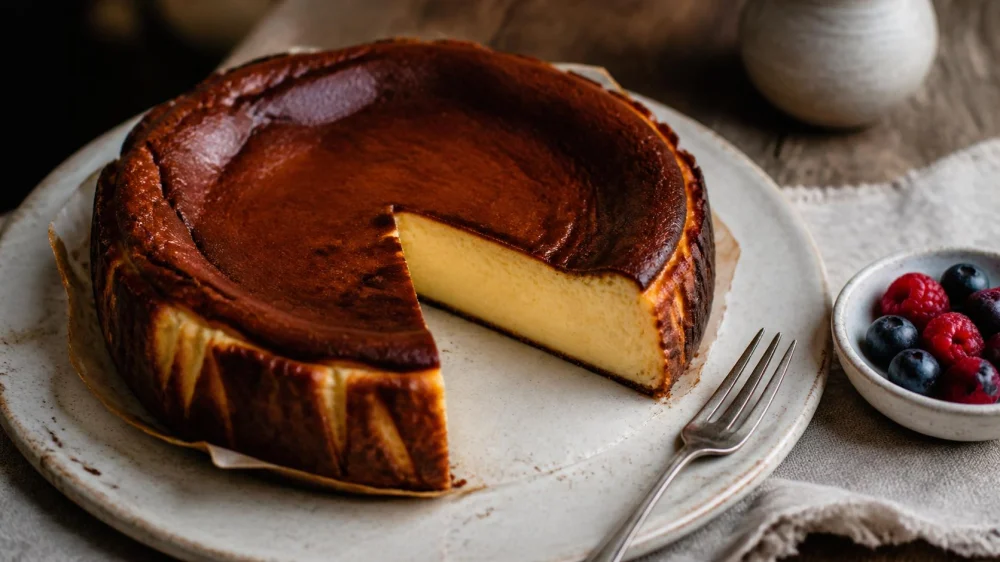
Basque cheesecake, often called burnt Basque cheesecake, is baked without the separate crumb crust typical of many US cheesecakes. High oven heat darkens the top and edges while the center stays comparatively soft. The wrinkled surface and uneven rustic edge are normal features.
“Burnt” describes deliberate deep browning, not a dessert that should taste like ash. The surface can range from mahogany to nearly black in spots, bringing caramel and toasted dairy notes. A harsh, uniformly carbonized flavor is different from balanced browning.
Read the texture
Texture depends on formula, bake, cooling, and serving temperature:
- Flowing center: very soft and sauce-like when cut; best eaten immediately at the restaurant.
- Custardy center: creamy and spoonable but able to hold a wedge; a common middle ground.
- Fully set center: dense and sliceable, easier to share and transport.
- Chilled slice: firmer and less aromatic at first.
- Tempered slice: softer, with more noticeable dairy and caramel aromas.
Ask the server which texture the kitchen intends. A soft center is not automatically underbaked by the recipe's standard, but diners who avoid undercooked egg should ask how the dessert is prepared and choose according to their needs.
Flavor and toppings
The classic profile balances tangy cream cheese, dairy richness, egg, sugar, and toasted top notes. Some versions add vanilla, citrus, blue cheese, chocolate, matcha, or other flavors. Added flour or starch may influence how the slice sets.
A plain slice makes it easiest to judge the contrast between the browned exterior and creamy center. Fruit, honey, caramel, compote, or ice cream can add acidity or sweetness but may overpower a subtle cake. Ask for sauce on the side if you want control.
Choose a simple topping after a rich meal. If sharing with other Spanish desserts, use the cheesecake as the creamy, caramelized item and contrast it with fruit or a crisp pastry rather than another dense dairy dessert.
Ordering checklist
- Ask whether the cheesecake is made in-house and available today.
- Confirm the intended center: flowing, custardy, or fully set.
- Ask whether it is served chilled, room-temperature, or warmed.
- Check slice size and whether one portion suits sharing.
- Identify flavor additions, sauce, fruit, nuts, and garnishes.
- State allergies and ask about the complete recipe and shared equipment.
- For a whole cake, confirm preorder time, diameter, portions, pickup temperature, and storage instructions.
Takeout and storage
A firm chilled slice travels better than a warm or flowing center. Ask for a rigid, level container and keep sauces separate. Place the package on a flat vehicle floor or in an insulated carrier rather than on a sloped seat.
Refrigerate promptly according to the restaurant's directions. Do not leave a dairy-and-egg dessert in a parked car. If the restaurant recommends tempering before eating, remove only the portion you plan to serve and follow its timing guidance.
Freezing can change the creamy texture and may produce moisture on thawing. Ask the bakery whether its formula freezes well rather than assuming. Mark the pickup date on a whole cake so household members know its age.
Important notes
Basque cheesecake commonly contains milk and eggs and may contain wheat or other allergens. A crustless dessert is not automatically gluten-free because flour or starch can be mixed into the batter and cross-contact can occur. Toppings introduce additional ingredients.
People who are pregnant, older, very young, immunocompromised, or otherwise at increased risk from foodborne illness should follow relevant clinician and public-health advice about egg-containing desserts. The appearance of a center does not confirm its preparation temperature.
FAQ
Is the dark top supposed to be there?
Yes. Deep browning is a defining feature and brings toasted, caramel-like flavor. It should still taste balanced rather than simply charred.
Why is there no crust?
The style is generally baked directly in a lined pan without a separate cookie or pastry base.
Is Basque cheesecake less sweet?
It can taste less uniformly sweet because the tangy dairy and bitter-sweet browning create contrast, but sugar levels vary by recipe.
Can I share a soft-centered slice?
Yes, but ask for small plates and spoons. A very soft center may not divide into neat wedges.
Does it need to be refrigerated?
Yes, treat it as a perishable dairy-and-egg dessert and follow the restaurant's storage instructions.
Next steps
Ask about center texture, serving temperature, portion, and toppings. Choose a plain or lightly dressed slice for your first comparison, eat it promptly, and request a firm chilled package if taking it home.
Evidence note: This article uses broad culinary definitions and general food-handling principles; the restaurant controls its exact recipe and safe-service process.

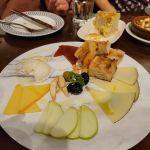 Bodegon Spanish Tapas4.0 (137 reviews)
 Toro Kitchen + Bar4.0 (926 reviews)
 Boqueria Penn Quarter4.0 (1471 reviews)
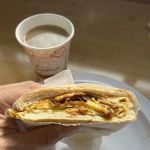 ANTOJAO Deli & Rest.4.0 (139 reviews)
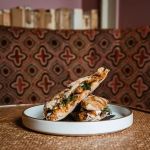 Mama Delia4.0 (379 reviews)
 Los Monos Restaurant - formerly 3 Monkeys4.0 (327 reviews)
 Discovering the Traditional Spanish Breakfast Recipes You Can Make at Home
 Discovering the Most Popular Spanish Tapas Recipes in the US
 The Best Spanish Restaurants in Orlando
 A Guide to the Most Popular Spanish Cheeses and Their Uses
 How to Make Spanish Arroz al Horno: Baked Rice with Meat and Vegetables
 Refreshing Easy Spanish Sangria with Sparkling Water