

Understanding the Mediterranean Diet and Why It Became Famous Worldwide
The Mediterranean diet is more than a simple meal plan. It represents a way of eating that combines fresh ingredients, traditional cooking methods, and a balanced approach to daily life. Inspired by countries surrounding the Mediterranean Sea, including Spain, Italy, Greece, and parts of Southern France, this lifestyle focuses on natural foods that have supported generations of healthy communities.
When people ask, “What is the Mediterranean diet?”, the answer goes beyond a list of foods. It is a philosophy built around vegetables, fruits, whole grains, legumes, seafood, olive oil, moderate dairy consumption, and mindful eating habits. Spanish food traditions are one of the strongest examples of this approach because Spanish cuisine naturally emphasizes seasonal ingredients and simple preparation.
Many researchers and nutrition experts have studied Mediterranean eating patterns because populations following this lifestyle have historically shown positive health outcomes. However, the popularity of this diet is not only based on scientific research. Many people are attracted to it because the food is flavorful, social, and enjoyable rather than restrictive.
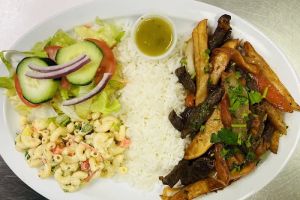
Mi Cabaña Restaurant
FraminghamMiddlesex CountyMassachusetts
55 Frederick St, Framingham, MA 01702, USA
Why This Eating Style Appeals to Modern Families
Modern diets often focus on quick solutions, complicated rules, or extreme restrictions. The Mediterranean diet takes a different approach. It encourages people to build healthy habits that can continue for years. A person does not need to eliminate every favorite food. Instead, the focus is on improving food quality and creating better balance.
A typical Spanish family meal shows this idea clearly. Instead of eating a large portion of one heavy dish, meals often include several smaller components such as vegetables, seafood, grains, and shared plates. This creates variety and allows people to enjoy different flavors while maintaining a balanced diet.

How Spanish Food Represents Mediterranean Healthy Living
Spanish cuisine is one of the best examples of Mediterranean eating because it combines simplicity with strong flavors. Traditional Spanish dishes often rely on ingredients that are naturally nutritious, including tomatoes, peppers, garlic, beans, fish, nuts, and extra virgin olive oil.
The secret behind many Spanish recipes is not complicated cooking techniques. Instead, it is the quality of ingredients. A ripe tomato, fresh seafood, locally grown vegetables, and high-quality olive oil can create a meal that is both satisfying and nourishing.
The Role of Olive Oil in Spanish Cooking
Extra virgin olive oil is one of the most recognizable ingredients in Mediterranean cuisine. In Spain, olive oil is used for cooking, dressing salads, preparing sauces, and adding flavor to simple dishes.
Unlike heavily processed cooking fats, olive oil is valued for its natural properties and its ability to enhance the taste of fresh foods. A simple combination of olive oil, garlic, herbs, and vegetables can transform an ordinary meal into something memorable.
Spanish households have traditionally treated olive oil as a kitchen essential rather than a luxury ingredient. This cultural relationship with food demonstrates an important lesson from the Mediterranean diet: healthy eating does not have to feel complicated.
Key Ingredients That Support Healthy Living
The Mediterranean diet depends on a wide variety of whole foods. Each ingredient contributes unique flavors and nutritional benefits, creating meals that are satisfying and balanced.
1. Vegetables and Fruits as Daily Foundations
Spanish meals often include vegetables in many forms. Fresh salads, roasted vegetables, vegetable soups, and tomato-based dishes are common parts of everyday eating. These foods provide important nutrients while adding color and texture to meals.
Fruits are also naturally included as snacks or desserts. Instead of relying heavily on processed sweets, many Mediterranean households enjoy seasonal fruits such as oranges, grapes, peaches, and figs.
2. Seafood and Balanced Protein Choices
Spain has a strong coastal food culture, making seafood an important part of traditional cuisine. Dishes featuring fish, shrimp, mussels, and other seafood provide flavorful alternatives to heavier protein sources.
Meals such as grilled fish with vegetables or seafood rice dishes demonstrate how Mediterranean cooking creates satisfying meals without depending on excessive amounts of processed ingredients.
3. Legumes, Nuts, and Whole Grains
Beans, lentils, almonds, and whole grains are common ingredients throughout Spanish cuisine. Traditional dishes such as lentil stews and bean-based recipes show how affordable ingredients can become nutritious comfort foods.
These foods are especially valuable because they provide lasting energy and help create meals that keep people satisfied throughout the day.
Popular Spanish Dishes That Fit the Mediterranean Lifestyle
Many famous Spanish dishes naturally follow Mediterranean diet principles. They demonstrate how healthy food can still be exciting, social, and full of personality.
Gazpacho: A Celebration of Fresh Ingredients
Gazpacho is a cold Spanish soup made from tomatoes, cucumbers, peppers, olive oil, and seasonings. Especially popular during warmer months, it represents the Mediterranean idea of using seasonal produce at its best.
This dish shows that healthy eating does not require complicated preparation. Fresh ingredients combined with traditional methods can create something refreshing and satisfying.
Paella: More Than Just a Famous Dish
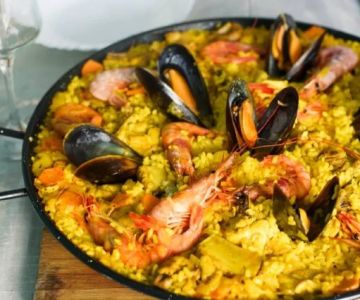
Paella is often recognized worldwide as a symbol of Spanish cuisine. While recipes vary by region, traditional versions often include rice, seafood, vegetables, and aromatic spices.
The dish reflects Mediterranean cooking principles because it combines multiple food groups in one meal. When prepared with fresh ingredients and balanced portions, paella represents the social and cultural side of healthy eating.
Tapas Culture and the Joy of Sharing Food
Tapas are small dishes designed for sharing. This tradition encourages slower eating, conversation, and enjoying different flavors. Instead of rushing through a meal, people spend time connecting with others.
This social approach is an important part of Mediterranean healthy living. Food is not only about nutrition; it is also about relationships, relaxation, and enjoyment.
Healthy Habits Beyond Food
One reason the Mediterranean diet remains popular is that it includes lifestyle choices beyond what people eat. Spanish culture provides many examples of habits that support overall wellness.
The Connection Between Food and Community
In many Spanish communities, meals are opportunities for family and friends to gather. Long conversations around the table encourage mindful eating and reduce the habit of eating quickly.
This approach offers a valuable lesson for modern lifestyles. A healthy relationship with food involves awareness, enjoyment, and connection.
Natural Movement as Part of Daily Life
Traditional Mediterranean lifestyles often include regular movement through walking, outdoor activities, and active routines. Exercise does not always need to happen in a gym. Simple daily activities can contribute to a healthier lifestyle.
Combining nutritious meals with regular movement creates a sustainable approach to wellness.
How to Bring Spanish Mediterranean Eating Into Your Home
You do not need to completely change your lifestyle overnight to enjoy Mediterranean-inspired meals. Small changes can gradually transform everyday eating habits.
Stocking Your Kitchen With Better Ingredients
A Mediterranean-style kitchen usually includes essentials such as olive oil, fresh vegetables, whole grains, beans, herbs, seafood options, and seasonal fruits.
Having these ingredients available makes it easier to prepare healthy meals without relying on heavily processed foods.
Creating Balanced Meals Every Day
A practical approach is to build meals around vegetables first, then add quality protein, whole grains, and healthy fats. This method allows flexibility while maintaining Mediterranean principles.
For those interested in exploring authentic Spanish flavors, Rubi Spanish Table offers inspiration for experiencing traditional Spanish food culture and discovering how classic recipes connect with modern healthy living.
Why Spanish Mediterranean Food Fits Today’s Lifestyle
Many people today are searching for ways to eat healthier without sacrificing flavor. The Mediterranean diet continues to attract attention because it provides a realistic approach to long-term wellness.
Spanish food demonstrates that healthy meals can be enjoyable, colorful, and culturally meaningful. From simple vegetable dishes to seafood recipes and shared tapas experiences, Mediterranean cuisine offers ideas that fit many different lifestyles.
The Growing Popularity of Mediterranean Food
As more people focus on sustainable and balanced eating, Mediterranean traditions continue influencing restaurants, home kitchens, and wellness communities around the world.
The combination of fresh ingredients, traditional knowledge, and enjoyable meals makes Spanish Mediterranean cuisine more than a trend. It represents a practical way to create healthier habits while appreciating the pleasure of good food.
Explore more about Spanish food traditions and Mediterranean-inspired dining experiences with Rubi Spanish Table to discover how authentic flavors can become part of your own healthy lifestyle journey.



 Bacaneria y Sazon4.0 (37 reviews)
 Estrella Mileni3.0 (42 reviews)
 Made Kitchen & Cocktails4.0 (579 reviews)
 La Promesa Restaurant4.0 (122 reviews)
 EL RANCHO FOOD TRUCK4.0 (10 reviews)
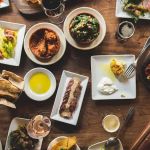 Barcelona Wine Bar4.0 (2955 reviews)
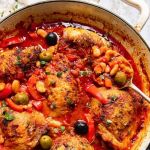 Authentic Spanish Chicken with Garlic Sauce Recipe and Cooking Guide
 How to Make Spanish Churros con Chocolate: Fried Dough with Chocolate
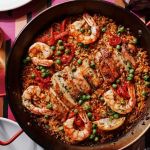 The Best Spanish Restaurants in Nashville for Tapas and Paella
 How to Make Spanish Tortas de Aceite at Home: Traditional Recipe
 The Ultimate Guide to Spanish Olive Oil and How to Use It
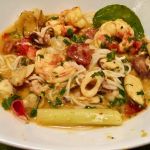 Traditional Spanish Seafood with Saffron Broth Recipe