- paella-history-and-cultural-importance
- origins-of-paella-in-valencia
- farmers-and-workers-created-traditional-paella
- evolution-of-paella-recipes-across-spain
- traditional-paella-ingredients-and-cooking-methods
- paella-cultural-role-in-spanish-life
- how-paella-became-famous-worldwide
- enjoying-authentic-spanish-paella-at-home
1. The Story Behind One of Spain’s Most Beloved Dishes
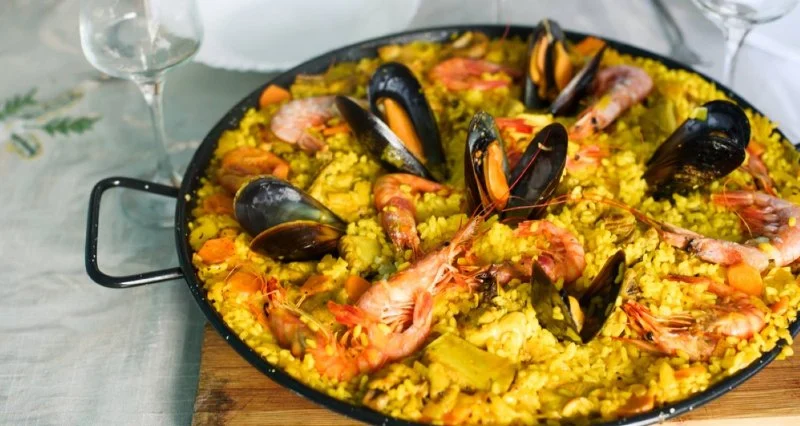
Few dishes represent Spain’s culture and culinary identity as strongly as paella. For many people around the world, the word “paella” immediately brings images of a large golden rice dish filled with seafood, vegetables, and aromatic spices. However, the true story behind this famous meal is much deeper than a simple recipe.
The History and Origin of Paella in Spain begins in the rural landscapes of Valencia, where farmers, fishermen, and agricultural workers created a practical meal using ingredients that were available around them. Over centuries, this humble countryside dish transformed into one of the most recognized symbols of Spanish cuisine.
Today, paella is enjoyed in restaurants across the United States and around the world. Yet understanding its origins helps food lovers appreciate why traditional preparation methods and regional ingredients still matter.
Mi pueblo Restaurant 2
Central IslipSuffolk CountyNew York
189 Calebs Path, Central Islip, NY 11722, USA
1.1 More Than Just a Rice Dish
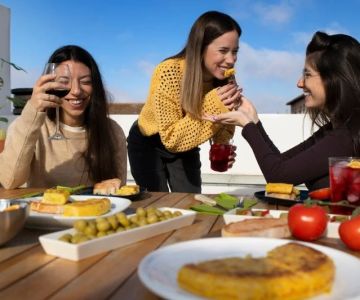
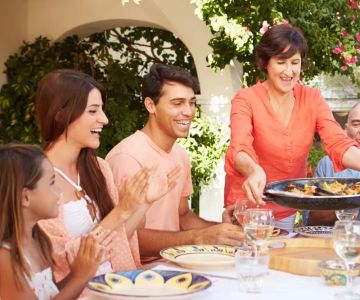
Paella is not simply about mixing rice with different ingredients. It represents community, family gatherings, and the Spanish tradition of sharing food together. In Spain, preparing paella is often a social activity where several generations gather around the cooking fire, sharing stories while waiting for the rice to reach the perfect texture.
The dish reflects an important Mediterranean idea: good food is meant to bring people together.
1.2 Why Americans Are Interested in Authentic Paella
In recent years, interest in Spanish cuisine has grown significantly in the United States. Many home cooks want to recreate the experience of traveling through Spain without leaving their own kitchens.
However, many versions found outside Spain are adapted to local tastes. Learning about the Spanish paella history helps cooks understand the difference between traditional paella and modern interpretations.
2. The Origins of Paella in Valencia, Spain
The birthplace of paella is widely recognized as the Valencia region on Spain’s eastern Mediterranean coast. This area has a long agricultural tradition, especially rice cultivation, which played a central role in the creation of the dish.
2.1 Valencia’s Rice Fields and Mediterranean Environment
The wetlands surrounding Valencia provided ideal conditions for growing rice. Areas such as the Albufera region became closely connected with rice farming, creating the foundation for many traditional dishes.
Farm workers needed meals that were affordable, filling, and easy to prepare outdoors. Rice became the perfect base because it could absorb flavors from local ingredients while providing enough energy for long working days.
2.2 The Influence of Different Cultures in Spain
The development of Spanish cuisine has always been influenced by different cultures. Rice itself was introduced to Spain through centuries of agricultural development influenced by Arab communities in the Iberian Peninsula.
This combination of local Mediterranean ingredients and new agricultural techniques helped create the environment where paella could eventually develop.
2.3 The Meaning Behind the Name “Paella”
The word “paella” originally referred to the wide, shallow pan used to cook the dish. The traditional pan allows rice to spread into a thin layer, creating the characteristic texture that defines authentic paella.
The cooking vessel became so closely associated with the food that the name of the pan eventually became the name of the dish itself.
3. How Farmers and Workers Created the First Paella
The earliest versions of paella were practical meals created by people working in Valencia’s countryside. These workers needed food that could be prepared using simple tools and ingredients available nearby.
3.1 The Original Rural Recipe
Traditional Valencian paella was very different from many seafood versions popular today. Early recipes commonly included:
- Rice grown locally
- Rabbit
- Chicken
- Green beans
- Local vegetables
- Saffron for color and flavor
These ingredients reflected the agricultural lifestyle of the region. Seafood paella became popular later, especially in coastal communities where fishermen had easy access to fresh seafood.
3.2 Cooking Over an Open Fire
One important part of traditional paella preparation was cooking outdoors over wood or orange tree branches. The fire provided heat while also adding subtle smoky flavors to the rice.
This outdoor cooking tradition remains important today. Many Spanish families still prepare paella during holidays, festivals, and weekend gatherings.
3.3 A Meal Designed for Sharing
Unlike individual meals served separately, paella was traditionally placed in the center of the table. Everyone gathered around the pan and shared the food together.
This communal style of eating helped transform paella from a simple worker’s meal into a cultural tradition.
4. How Paella Recipes Changed Throughout Spanish History
As paella spread beyond Valencia, different regions of Spain created their own versions. The dish evolved depending on local ingredients, geography, and traditions.
4.1 Valencian Paella
Authentic Valencian paella remains closely connected to its agricultural roots. It typically focuses on meat, vegetables, and carefully balanced flavors rather than large amounts of seafood.
For many Valencians, protecting this traditional version is important because it represents their regional identity.
4.2 Seafood Paella Along the Coast
Coastal areas naturally developed seafood-based versions using ingredients from the Mediterranean Sea. These recipes often include:
- Shrimp
- Mussels
- Squid
- Fish
- Shellfish broth
This style became one of the most internationally recognized forms of paella.
4.3 Modern Interpretations Around the World
Restaurants outside Spain often create unique versions using local ingredients. In the United States, chefs may experiment with different seafood, vegetables, or proteins.
While these creative versions can be delicious, understanding traditional techniques helps maintain respect for the dish’s Spanish origins.
5. Traditional Paella Ingredients and Cooking Techniques
The beauty of authentic Spanish paella comes from simplicity. The dish depends on quality ingredients and careful cooking rather than complicated preparation.
5.1 The Importance of Choosing the Right Rice
Rice selection is one of the most important factors in making paella. Spanish varieties such as Bomba rice are valued because they absorb flavor while maintaining structure.
The goal is not a creamy texture like risotto. Traditional paella should have separate grains that are full of flavor.
5.2 The Role of Saffron and Seasonings
Saffron gives paella its famous golden color and distinctive aroma. Other seasonings may include paprika, garlic, olive oil, and fresh herbs.
These ingredients create the layered flavors that make paella recognizable around the world.
5.3 Creating the Famous Socarrat
One of the most appreciated parts of traditional paella is the socarrat. This is the lightly caramelized layer of rice that forms at the bottom of the pan.
Experienced cooks carefully control heat at the end of cooking to create this flavorful crust without burning the rice.
6. Paella’s Role in Spanish Culture and Family Traditions
Paella is deeply connected with Spanish social life. It is not only a meal but also an experience.
6.1 Weekend Family Gatherings
In many Spanish families, Sunday lunch is a special time for gathering together. Preparing paella often becomes the center of the event, with family members helping, talking, and enjoying the cooking process.
6.2 Festivals and Community Celebrations
Paella competitions and community events are popular in many parts of Spain. Large outdoor pans are often prepared for groups of people, turning cooking into a shared celebration.
6.3 Preserving Culinary Heritage
Many Spanish cooks view traditional paella as something worth protecting. Passing recipes from grandparents to younger generations keeps the history alive.
7. How Paella Became Famous Around the World
The global popularity of paella grew through tourism, immigration, and the international interest in Mediterranean cuisine.
7.1 Spain’s Influence on Global Food Culture
As travelers visited Spain, many discovered paella during coastal vacations and brought their appreciation home. Spanish restaurants began appearing in cities worldwide, introducing new audiences to the dish.
7.2 Paella in American Kitchens
Today, many American home cooks enjoy preparing paella for dinner parties and special occasions. The dish is especially popular because it creates a memorable dining experience.
Unlike many everyday meals, paella feels like an event. The large pan, colorful ingredients, and shared serving style naturally encourage conversation.
7.3 The Modern Appreciation of Authentic Spanish Food
As people become more interested in authentic international cooking, understanding the background of dishes has become increasingly important.
Knowing The History and Origin of Paella in Spain allows cooks to appreciate why traditional methods continue to survive.
8. Bringing Spanish Paella Tradition Into Your Own Kitchen
Making paella at home is not only about following a recipe. It is about recreating the spirit behind the dish: fresh ingredients, patience, and sharing food with people you care about.
8.1 Start With Quality Spanish Ingredients
Authentic ingredients can make a noticeable difference. Choosing the right rice, spices, and cooking tools helps create a more traditional experience.
8.2 Create Your Own Spanish Dining Experience
Many home cooks discover that paella is perfect for entertaining guests. Preparing one large pan allows everyone to enjoy the meal together, just as families have done in Spain for generations.
8.3 Discover More Spanish Culinary Essentials
For those who want to explore Spanish cooking further, Rubi Spanish Table offers carefully selected products and resources to help bring the flavors and traditions of Spain into your home kitchen.
From learning about authentic Spanish paella to choosing the right ingredients for your next gathering, exploring Spanish cuisine is a journey through history, culture, and unforgettable flavors.
 La Paella4.0 (459 reviews)
 Empanadas Oleaga3.0 (165 reviews)
 Centro Basco4.0 (577 reviews)
 The Coolmena Birria Food truck5.0 (11 reviews)
 Cafe Ole4.0 (448 reviews)
 Spain Restaurant4.0 (486 reviews)
 How to Make Spanish Chistorra a la Miel: Chistorra with Honey Recipe
 Traditional Spanish Fabada Asturiana with White Beans and Chorizo
 Traditional Spanish Seafood with Slow Simmered Broth: A Delicious Culinary Experience
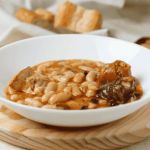 How to Make Spanish Fabada Asturiana – A Hearty Bean Stew
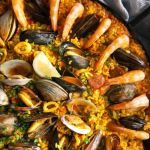 Authentic Spanish Paella Recipe Without Seafood for Home Cooking
 How to Make Spanish Tarta de Naranja: Orange Cake Recipe