
- #spanish-fried-calamari-with-lemon-aioli-tradition
- #ingredients-for-authentic-spanish-calamari
- #preparing-calamari-for-the-perfect-texture
- #creating-the-perfect-lemon-aioli-sauce
- #step-by-step-spanish-fried-calamari-recipe
- #common-mistakes-when-making-fried-calamari
- #serving-and-enjoying-spanish-seafood-tapas
- #discover-authentic-spanish-dining-experiences
The Story Behind Spanish Fried Calamari with Lemon Aioli
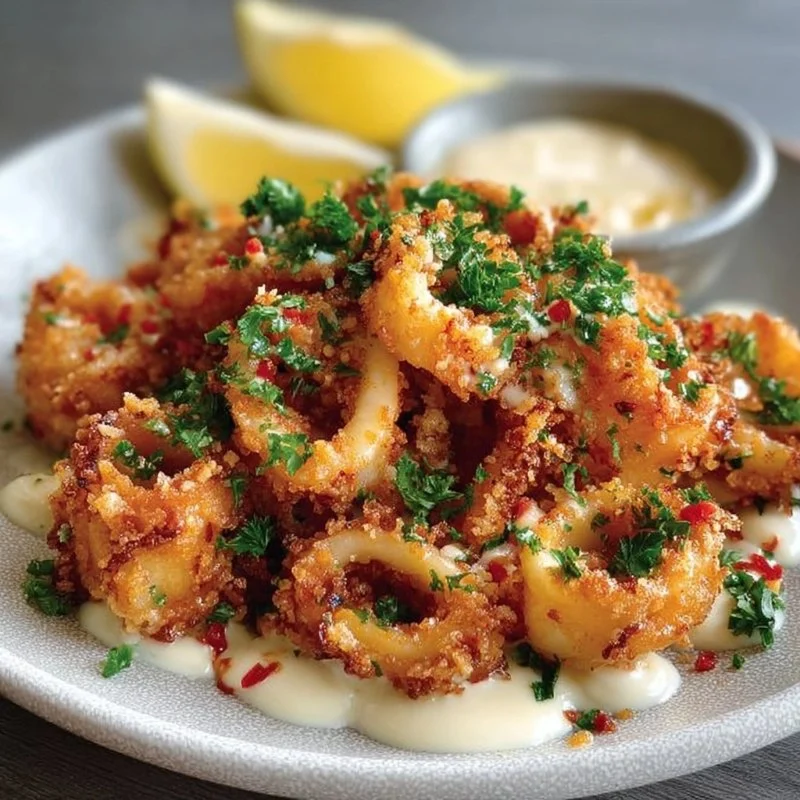
Spanish Fried Calamari with Lemon Aioli is one of those dishes that proves simple ingredients can create an unforgettable dining experience. Known for its crispy golden coating, tender squid, and refreshing garlic-lemon sauce, this seafood favorite represents the relaxed and social spirit of Spanish tapas culture.
In Spain, fried calamari is more than just an appetizer. It is often enjoyed during long meals with family and friends, alongside conversation, drinks, and other small plates shared around the table. The dish combines textures and flavors that make it appealing to seafood lovers around the world.
For many American diners discovering Spanish cuisine, Spanish Fried Calamari with Lemon Aioli is often an introduction to the balance of Mediterranean cooking. The recipe highlights fresh seafood, quality ingredients, and careful preparation instead of complicated techniques.

1.1 The Role of Calamari in Spanish Cuisine
Calamari, or squid, has been an important part of coastal Mediterranean cooking for generations. Spain’s long coastline provides access to abundant seafood, making squid a natural ingredient in many regional dishes.
Different areas of Spain prepare calamari in unique ways. Some regions serve grilled squid with olive oil and herbs, while others prefer crispy fried versions served with sauces or fresh lemon.
The popularity of fried calamari has expanded internationally because it offers a familiar combination: crunchy outside, tender inside, and a flavor profile that works well with many dining styles.

1.2 Why Lemon Aioli Complements Fried Calamari
The secret to a memorable Spanish Fried Calamari with Lemon Aioli experience is the contrast between the fried seafood and the bright sauce.
Fried calamari naturally has a rich, savory flavor. Lemon aioli adds freshness through citrus, creaminess through olive oil and egg-based ingredients, and depth through garlic.
The sauce does not overpower the calamari. Instead, it enhances the seafood while balancing the richness of the crispy coating.
Ingredients for Authentic Spanish Calamari
Great Spanish Fried Calamari with Lemon Aioli begins with choosing the right ingredients. Because the recipe is simple, each component has an important role.
2.1 Choosing Quality Calamari
Fresh squid provides the best texture, but high-quality frozen calamari can also produce excellent results when handled properly.
When selecting calamari, look for:
- Clean, firm squid with a mild ocean scent
- Consistent-sized pieces for even cooking
- Fresh or properly frozen seafood
- Cleaned squid tubes and tentacles
The size of the squid matters because smaller pieces tend to become tender more quickly, while larger pieces may require additional preparation.
2.2 Essential Ingredients for the Fried Coating
Traditional Spanish-style fried calamari usually focuses on a light coating rather than a heavy batter.
Common ingredients include:
- Calamari rings and tentacles
- All-purpose flour
- Sea salt
- Paprika or mild spices
- Olive oil or frying oil
- Fresh lemon wedges
The goal is a delicate crust that allows the flavor of the squid to remain the star.
2.3 Ingredients for Homemade Lemon Aioli
A homemade lemon aioli brings restaurant-quality flavor to the dish.
Typical ingredients include:
- Fresh garlic
- Egg yolks
- Extra virgin olive oil
- Lemon juice
- Salt
The quality of the olive oil is especially important because it creates the foundation of the sauce’s flavor.
Preparing Calamari for the Perfect Texture
The difference between excellent fried calamari and disappointing fried calamari often comes down to preparation. Squid has a delicate texture, but it can become chewy if handled incorrectly.
3.1 Cleaning and Cutting the Squid
Proper cleaning removes unwanted textures while keeping the natural flavor of the seafood.
The squid should be cleaned carefully, with the body separated from the internal parts. The tubes are usually sliced into rings, while the tentacles can be cooked whole or cut into smaller pieces.
Uniform pieces help ensure that everything finishes cooking at the same time.
3.2 The Importance of Drying Before Frying
One of the most important steps is removing excess moisture before coating the calamari.
Wet squid creates steam during frying, which can prevent the coating from becoming crisp. Patting the calamari dry with paper towels helps create a better texture.
3.3 Creating a Tender Result
Calamari requires careful cooking because it has a narrow window between tender and chewy.
The traditional approach is either quick cooking at high heat or slow cooking over a longer period. For fried calamari, quick frying is preferred because it keeps the inside tender while creating a crispy exterior.
Creating the Perfect Lemon Aioli Sauce
The lemon aioli is what transforms simple fried squid into a complete Spanish-inspired dish. A well-made aioli should be creamy, bright, and flavorful.
4.1 Building the Garlic Flavor
Garlic is the heart of aioli. Fresh garlic creates a stronger and more authentic flavor compared with processed alternatives.
The amount of garlic can be adjusted depending on personal preference. Some diners enjoy a bold garlic flavor, while others prefer a lighter citrus-focused sauce.
4.2 Balancing Lemon and Olive Oil
A successful lemon aioli requires balance. Too much lemon can make the sauce sharp, while too much oil can make it heavy.
The best versions combine:
- Creamy texture
- Fresh citrus notes
- Smooth olive oil flavor
- A gentle garlic finish
4.3 Making Restaurant-Style Aioli at Home
When preparing aioli, add oil gradually while mixing to create a stable and smooth texture.
Patience is important. Adding ingredients too quickly may prevent the sauce from developing the creamy consistency associated with traditional aioli.
Step-by-Step Spanish Fried Calamari with Lemon Aioli Recipe
5.1 Step 1: Prepare the Calamari
Clean and dry the squid thoroughly. Cut the body into evenly sized rings and prepare the tentacles.
Season lightly with salt and allow the flavor to absorb before coating.
5.2 Step 2: Create the Light Coating
Coat the calamari in seasoned flour. The coating should be thin enough to maintain the seafood flavor while creating a crisp exterior.
Avoid adding too much flour because a heavy coating can hide the delicate taste of squid.
5.3 Step 3: Fry Until Golden and Crisp
Heat the oil to the proper temperature before frying. Cooking in small batches helps maintain consistent heat.
The calamari should become golden and crispy while remaining tender inside.
5.4 Step 4: Serve Immediately
Fried calamari is best enjoyed fresh. Serve it with lemon wedges and homemade lemon aioli while the coating is still crisp.
A final sprinkle of sea salt or fresh herbs can add an extra layer of flavor.
Common Mistakes When Making Fried Calamari
Even simple recipes require attention to detail. Avoiding common mistakes can significantly improve the final result.
6.1 Overcooking the Squid
The most common mistake is cooking calamari too long. Overcooking causes the texture to become rubbery.
Short frying times help preserve tenderness.
6.2 Using Too Much Batter
A thick coating may seem appealing, but traditional Spanish-style calamari usually highlights the seafood rather than covering it.
A lighter coating creates a more balanced dish.
6.3 Serving Without Fresh Elements
Lemon, herbs, and sauces provide freshness that balances fried foods.
Without these elements, fried calamari can feel heavier and less vibrant.
Serving and Enjoying Spanish Seafood Tapas
Spanish Fried Calamari with Lemon Aioli is ideal for sharing. It represents the social style of Spanish tapas where multiple dishes are placed in the center of the table.
7.1 Pairing Ideas for a Complete Meal
This dish pairs beautifully with:
- Fresh seafood tapas
- Spanish-style rice dishes
- Grilled vegetables
- Crisp salads
- Refreshing beverages
The goal is creating a balanced meal where different flavors complement each other.
7.2 Enjoying the Restaurant Experience
While making calamari at home can be rewarding, experiencing authentic Spanish flavors in a restaurant offers another level of appreciation.
At Rubi Spanish Table, guests can explore carefully prepared Spanish dishes inspired by traditional cooking techniques and Mediterranean flavors.
Discover Authentic Spanish Dining Experiences
Spanish Fried Calamari with Lemon Aioli represents everything people love about Spanish cuisine: fresh ingredients, simple preparation, and food designed to bring people together.
Whether you are learning to prepare this dish at home or searching for an authentic Spanish dining experience, understanding the story behind the recipe makes every bite more meaningful.
Explore more Spanish flavors, discover traditional seafood dishes, and experience the taste of Mediterranean-inspired cooking with Rubi Spanish Table. Your next memorable meal may begin with a perfectly crispy plate of Spanish Fried Calamari with Lemon Aioli.




 La Faena Social5.0 (103 reviews)
 El Agave Bar Lounge Restaurant- YONKERS4.0 (14 reviews)
 Las Palmas Deli4.0 (225 reviews)
 Paella Tapas Wine Bar Restaurant4.0 (147 reviews)
 La Cabra Boja0.0 (0 reviews)
 Boqueria Seaport4.0 (950 reviews)
 The Best Spanish Food Markets in Bilbao for Regional Ingredients
 How to Make Spanish Piquillos Rellenos de Bacalao: Stuffed Piquillo Peppers with Cod
 htmlCopy codeHow to Make Spanish Churros with Chocolate Sauce
 How to Make Spanish Pollo al Ajillo con Champiñones: A Flavorful Garlic Chicken with Mushrooms Recipe
 How to Make Spanish Chistorra a la Sidra: Chistorra with Cider
 The Best Spanish Food Markets in Valladolid for Local Produce and Meats