
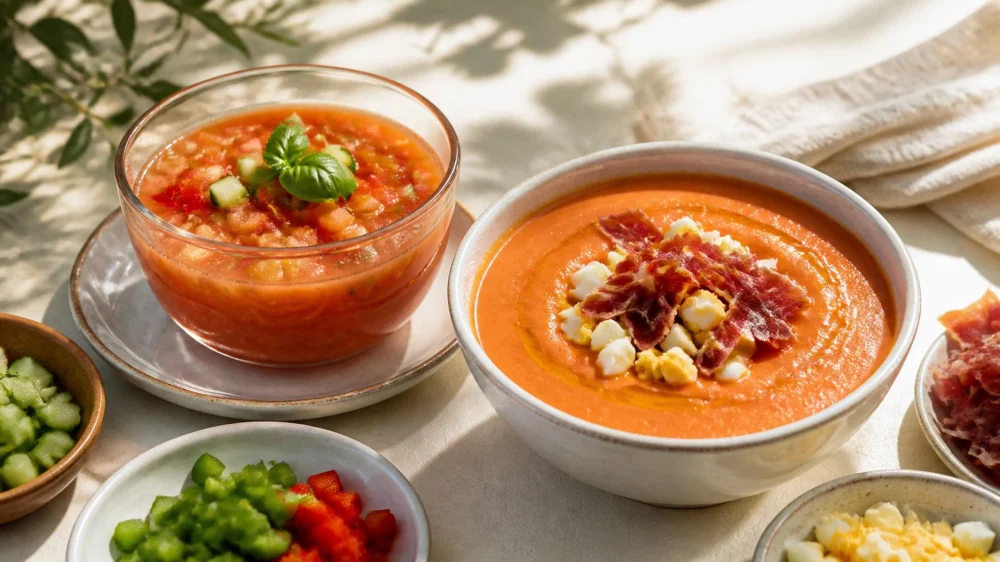
Gazpacho and Salmorejo: Compare Texture and Toppings
On this page
Gazpacho and salmorejo are chilled Spanish tomato-based dishes that can look similar in photographs but feel quite different at the table. Gazpacho is often lighter and may be served as a drinkable or spoonable cold soup. Salmorejo is generally thicker, richer, and presented with toppings. Restaurant recipes vary, so ask rather than relying on the name alone.
Tomato quality, bread, olive oil, vinegar, garlic, vegetables, water, blending, straining, and garnish all influence the result. A current ingredient check is especially important for wheat, egg, meat, or other dietary concerns. “Cold tomato soup” is a useful starting description, not a complete recipe.
If both appear on the menu, ask whether a tasting portion is available before ordering two full bowls. Record which one the table preferred and why—lightness, body, garlic, acidity, or garnish. Those details will be more useful on a return visit than remembering only the color.

Solea Restaurant and Tapas Bar
WalthamMiddlesex CountyMassachusetts
388 Moody St, Waltham, MA 02453, USA
Start with the shared ingredients
Both dishes commonly begin with ripe tomatoes, olive oil, garlic, salt, and an acidic component. Gazpacho may also include cucumber, pepper, onion, water, and bread. Salmorejo commonly relies on tomato, bread, olive oil, and garlic for a concentrated base.
Exact recipes reflect region, season, and chef. Some restaurants strain seeds and skins for a very smooth finish; others preserve more texture. Ask whether today's version is made in-house, supplied prepared, or adjusted seasonally.
Compare texture and body
Gazpacho can range from a thin chilled drink to a lightly thickened soup with tiny vegetable pieces. It usually feels refreshing and fluid. Salmorejo is typically dense enough to hold a spoon trail and toppings, with bread and oil creating a creamy texture without necessarily containing dairy.
Ask whether the restaurant serves gazpacho in a glass, cup, or bowl, and whether salmorejo is an appetizer or substantial first course. Texture words on the menu—smooth, rustic, strained, creamy—are helpful only when tied to the restaurant's preparation.
Check bread, egg, and other allergens
Bread may be blended into either soup and is especially important in salmorejo. A smooth appearance does not mean wheat-free. Ask about the bread, thickener, croutons, shared blender, preparation surface, and cross-contact process.
Salmorejo is often topped with chopped cooked egg and cured ham. Other versions may include tuna, cheese, nuts, seeds, seafood, or flavored oil. State the specific allergy and verify the complete dish. Removing a topping does not remove ingredients already blended into the base.
Ask about garnishes
Gazpacho garnishes can include diced cucumber, pepper, onion, tomato, croutons, herbs, or olive oil. Salmorejo often receives egg, ham, and oil. Ask whether toppings arrive mixed, arranged on top, or offered separately.
Requesting garnish on the side gives control over crunch, salt, and portion, but may not address allergen cross-contact. Taste the base before adding everything. A small amount of crisp vegetable or savory ham can strongly change a chilled soup.
Compare acidity, garlic, and seasoning
Vinegar brightens tomato and can range from subtle to sharp. Garlic may be mild or assertive, and olive oil can make salmorejo especially rich. Ask which profile the kitchen aims for if you are sensitive to strong acidity or raw garlic.
Do not add salt before tasting. Cured meat, croutons, and concentrated tomato can alter the balance. If the soup feels too intense, pair smaller spoonfuls with bread or another dish rather than trying to dilute the communal bowl.
Choose a cup or bowl
A cup of gazpacho can function as a refreshing starter, while a thick bowl of salmorejo with toppings may be more filling. Ask for volume or compare the tableware. A “small” serving can still be rich in oil and bread.
For a tasting meal, share only with clean serving utensils and after confirming everyone's allergens. A flight or half portion may be available. Order modestly when several tapas and main dishes follow.
Pair the soup with the meal
Gazpacho pairs well with grilled vegetables, seafood, fried tapas, and warm-weather lunches because its acidity and cool temperature provide contrast. Salmorejo can stand beside cured meats, tortilla, roast vegetables, or a simple salad.
Avoid repeating the same richness or garnish across every course. If salmorejo already includes ham and egg, choose later dishes that add a different texture. Water remains useful because chilled soup may still contain substantial salt.
Evaluate temperature and freshness
Both should arrive properly chilled according to the restaurant's food-safety controls, not warm from sitting out. Very cold temperature can mute flavor, so allow a moment and stir gently if staff recommends it. Oil separation can occur naturally.
An abnormal fermented odor, unexpected fizzing, discoloration, or clearly warm service is a reason to pause and ask staff. Do not taste a questionable soup to determine safety. House-made batches should be handled under the restaurant's time and temperature procedures.
Order for takeout
Request a leak-resistant chilled container with garnishes separate. Transport it directly in an insulated bag when appropriate and refrigerate promptly. Keep croutons and chopped toppings dry until serving.
Stir the base before eating and follow the restaurant's storage guidance. Fresh tomato, raw vegetables, egg, and ham do not improve with extended warm exposure. Discard soup with uncertain time or temperature history or damaged packaging.
Adapt for individual needs
For vegetarian or vegan suitability, verify stock, bread, ham, egg, dairy, and garnish. For gluten concerns, confirm blended bread and shared equipment. For lower-sodium or other medical nutrition needs, ask for available nutrition information and follow individualized clinician advice.
Texture matters for people with swallowing difficulty, but a smooth appearance does not establish a safe consistency. Follow a clinician-prescribed plan. Children should receive an age-appropriate portion with garnishes checked for choking risk.
Cold soup checklist
Confirm whether the dish is gazpacho or salmorejo, its thickness, bread, vegetables, oil, vinegar, garlic, allergens, garnishes, portion, temperature, price, and takeout method. Ask which elements are blended into the base and which can be served separately.
Choose gazpacho when a lighter, fluid vegetable soup suits the meal; choose salmorejo when a thick, rich tomato course and savory toppings appeal. The restaurant's current recipe matters more than a rigid definition, so a short ingredient and texture check creates the best expectation.


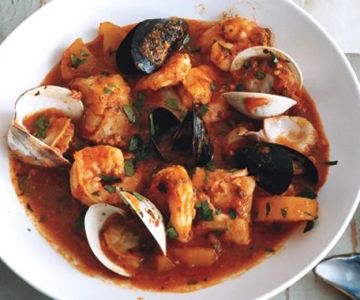
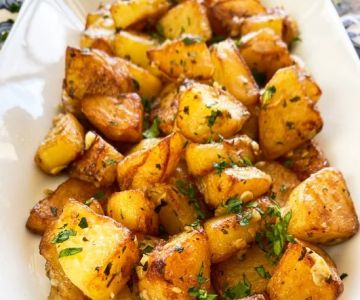
 Sangria Y Tapas4.0 (959 reviews)
 Charito's kitchen4.0 (104 reviews)
 Le Fatima4.0 (342 reviews)
 Guido's Pizzeria & Tapas4.0 (2470 reviews)
 Barcelona Wine Bar4.0 (2240 reviews)
 Spanish Tavern4.0 (1408 reviews)
 Spanish Croquettes (Croquetas de Jamón): Authentic Recipe Guide
 Easy Spanish Flan with Condensed Milk: A Delicious Recipe
 How to Make Spanish Croquetas de Jamón con Bechamel: Ham Croquettes with Cream Sauce
 Easy Spanish Rice with Paprika and Herbs: A Flavorful Side Dish
 Authentic Spanish Rice Pudding (Arroz con Leche) Recipe: A Delicious Tradition
 The Best Spanish Food Markets in Granada