Pan con Tomate Guide: Bread, Tomato, Garlic, Oil, and Timing
On this page
Quick answer
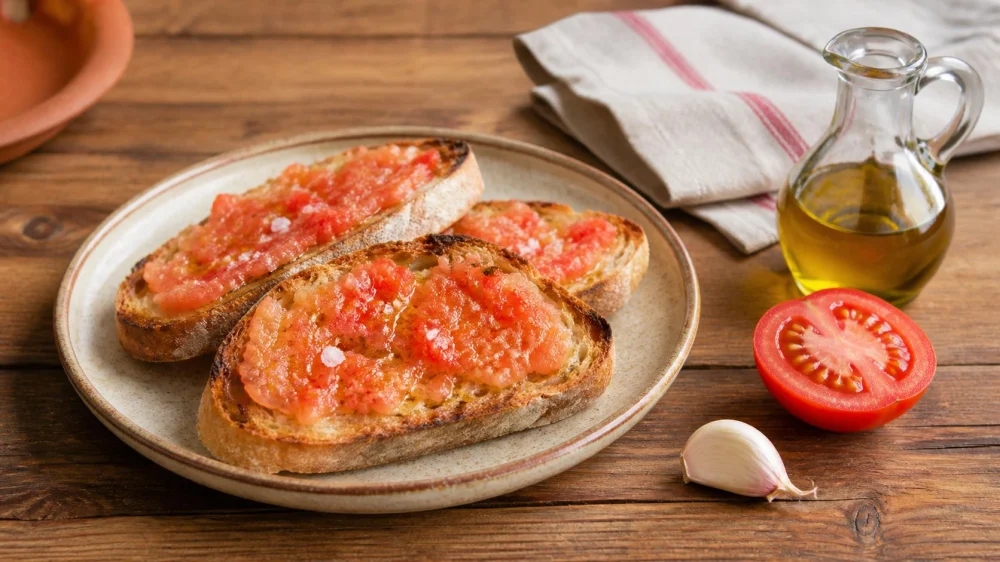
Pan con tomate—also seen as pan tumaca or pa amb tomàquet—usually combines bread, ripe tomato, olive oil, salt, and sometimes garlic. At a restaurant, ask whether the bread is toasted, whether tomato is rubbed directly or spooned on, how prominent the garlic is, and whether it arrives assembled or as components.
The pleasure comes from contrast: warm crisp-edged bread, juicy tomato, fragrant oil, and enough salt to sharpen the flavor without making the slice soggy or greasy. Order it near serving time and share immediately.
Rice & Beans Bar and Restaurant
HarrisburgDauphin CountyPennsylvania
319 S 17th St, Harrisburg, PA 17104, USA
Read the menu description
Regional names and restaurant styles vary. A rustic version may use thick grilled bread and tomato rubbed into the crumb; another may use thin toast with a grated tomato mixture. Garlic can be rubbed lightly on the surface, mixed into the tomato, served separately, or omitted. Some kitchens finish every slice, while others let diners assemble it.
Ask whether the listed order is a single slice, several pieces, or a table portion. Confirm additions such as jamón, anchovy, cheese, roasted vegetables, or cured fish instead of assuming they are included. Tell the server about wheat, garlic, or other ingredient concerns.
Judge bread and tomato texture
The bread must support moisture while remaining pleasant to bite. Toasting can add structure and roasted flavor; a softer crumb absorbs more tomato but loses crispness quickly. Look for browned rather than burned edges, a base that holds its shape, and tomato distributed without drowning the bread.
Tomato style changes the experience. Direct rubbing leaves seeds and pulp in a light layer; grated tomato can be juicier and more uniform. Ripeness, acidity, and season affect the taste more than color alone. If the tomato is very wet, assemble one piece at a time.
Balance garlic, oil, and salt
A gentle garlic rub perfumes the toast; repeated rubbing creates a sharper, hotter bite. If you are garlic-sensitive, request none or ask for it on the side before the plate is assembled. Olive oil should add aroma and richness while allowing tomato and toasted grain to remain distinct.
Coarse salt can provide brief crunchy bursts, while fine salt disperses evenly. Taste before adding more because tomato mixture or toppings may already be seasoned. Pepper, herbs, vinegar, and elaborate garnishes are restaurant choices rather than universal requirements.
Order and share it well
- Confirm portion size and whether the bread is toasted.
- Ask whether tomato, garlic, oil, and salt arrive assembled or separate.
- Request garlic adjustment before preparation.
- Choose plain pieces if later tapas are salty or rich.
- Add cured meat, fish, or cheese only when you want a more substantial bite.
- Serve promptly and keep wet components off unused slices.
- Use a clean utensil to divide shared toppings.
Pan con tomate works as a breakfast item, a tapa, or an accompaniment. In a larger meal, it can bridge olives and conservas, absorb sauces, or offer a fresh counterpoint to fried dishes. Avoid ordering so much bread that it crowds out the specialties you came to taste.
Ordering checklist
- Local menu name recognized
- Toast level and bread thickness understood
- Rubbed versus grated tomato clarified
- Garlic level confirmed before assembly
- Olive oil and salt adjusted by tasting
- Included toppings and allergens checked
- Portion matched to the table
- Plate eaten while bread still has contrast
Limitations
There is no single universal restaurant specification. Catalan, Spanish, household, and contemporary interpretations differ in bread, tomato method, garlic, and name. Ingredient quality and ripeness also change daily. Ask how that kitchen prepares its version.
FAQ
Is pan con tomate always garlicky?
No. Garlic may be light, optional, or absent. Ask before ordering if it matters to you.
Should tomato be chunky?
It may be rubbed, grated, crushed, or spooned. Each style creates a different texture.
Why serve ingredients separately?
Separate components preserve toast crispness and let diners control tomato, garlic, oil, and salt.
Is it a full meal?
Usually it is a small dish or accompaniment, though toppings and portion size can make it more substantial.
What pairs well?
It can accompany cured foods, cheese, olives, seafood, eggs, or vegetables. Balance the rest of the meal for salt and richness.
Evidence notes
The most useful evidence at a restaurant is the menu wording, the server’s description, visible bread thickness and toast, tomato application, stated additions, and portion count. Regional tradition explains the concept, but the plate in front of you establishes the kitchen’s actual style.
Conclusion
Good pan con tomate is simple but not generic. Clarify the restaurant’s method, protect the bread’s texture, tune garlic and salt before assembly, and eat it promptly so tomato, oil, and toast remain in balance.

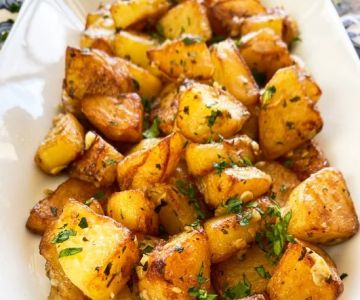
 El Pollo4.0 (780 reviews)
 Quezada Restaurant corp.4.0 (107 reviews)
 Taqueria Los Brothers4.0 (30 reviews)
 The Coolmena Birria Food truck5.0 (11 reviews)
 El Gran Valle3.0 (25 reviews)
 La Vieja Castilla4.0 (469 reviews)
 Traditional Spanish Grilled Shrimp Skewers Recipe
 Discovering the Most Popular Spanish Tapas Recipes in the US
 How to Make Spanish Piquillos Rellenos de Atún: Tuna Stuffed Peppers
 Exploring Spanish Street Food Recipes to Make at Home
 Traditional Spanish Seafood and Tomato Rice: A Delicious Culinary Experience
 How to Make Spanish Tarta de Manzana: Apple Cake