Pulpo a la Gallega Guide: Tenderness, Paprika, Potatoes, and Sharing
On this page
Quick answer
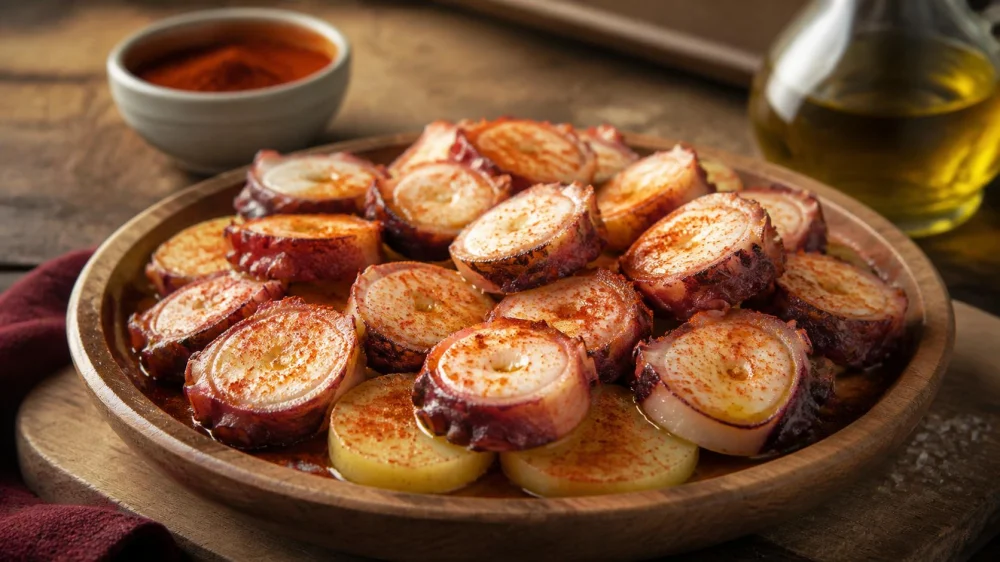
Pulpo a la gallega, closely associated with the Galician name pulpo á feira, is typically boiled octopus cut into bite-size rounds and finished with olive oil, coarse salt, and paprika. Potatoes may accompany or sit beneath it. Ask whether the paprika is sweet, hot, or mixed; whether potatoes are included; and how many diners the portion serves.
A strong plate should be tender with a gentle resilient bite, moist rather than watery, evenly seasoned, and served warm enough for the oil and paprika to bloom. It should not be rubbery, mushy, scorched, or buried under a heavy sauce.
Know the dish and its names
Spain’s official tourism site describes pulpo a feira as a Galician preparation of cooked, chopped octopus with salt, paprika, and olive oil, often presented on a wooden plate. Its traditional recipe overview shows both sweet and hot paprika in one version.
Restaurant menus may use pulpo a la gallega, pulpo á feira, or an English description. Some plates include cachelos or other boiled potato; some serve octopus alone. A grilled octopus tentacle with sauce may be delicious, but it is a different presentation. Read the cooking method rather than relying on the word “octopus.”

Evaluate octopus texture
Proper tenderness does not mean paste-soft. A slice should yield to the bite while keeping its shape and skin. Thickness influences chew: thin coins cool quickly and take seasoning evenly, while larger pieces retain more interior texture. Uneven cuts can make one serving seem inconsistent.
Water pooling on the plate can dilute oil, salt, and paprika. Potatoes should be cooked through without disintegrating and should absorb seasoning while remaining recognizable. If the plate arrives extremely hot, allow it to settle briefly rather than burning your mouth and missing the flavor.
Read the seasoning
Sweet paprika contributes warm pepper aroma and red color; hot paprika adds a sharper finish. Ask whether the kitchen blends them and request adjustment when available. Paprika heat is not standardized across every restaurant, so a red surface does not reveal intensity by itself.
Olive oil should coat the pieces without creating a deep puddle. Coarse salt gives occasional bright crunch but can accumulate at the bottom. Turn a few pieces gently through the seasoning before deciding that the first bite represents the whole plate. Bread can capture seasoned oil, but include it in your portion planning.
Order the right portion
- Confirm whether the dish is a tapa, half portion, full ración, or individual main.
- Ask whether potatoes and bread are included or separate.
- Choose sweet, hot, or mixed paprika when the kitchen offers a choice.
- Tell the server about mollusk, seafood, or cross-contact concerns.
- Balance the meal with vegetables or a lighter cold dish if the table orders several rich tapas.
- Divide pieces and potatoes early so each diner receives both.
- Eat while warm, before the oil cools and potatoes absorb all surface moisture.
For a table exploring many dishes, one moderate shared plate may be enough. If octopus is the centerpiece, ask how the portion compares with the restaurant’s other raciones.
Ordering checklist
- Menu name and cooking style understood
- Portion size matched to the table
- Potato and bread inclusion confirmed
- Paprika heat level requested
- Seafood and cross-contact concerns disclosed
- Tenderness judged across more than one piece
- Oil and salt redistributed before adding more
- Dish shared and eaten while warm
Limitations
Traditional and modern preparations vary, and a restaurant outside Galicia may use different cuts, plating, potatoes, or heat. Visual appearance cannot prove tenderness, ingredient origin, or allergen controls. Ask the restaurant about the plate it actually serves.
FAQ
Are pulpo a la gallega and pulpo á feira the same?
The names often refer to the same closely related Galician preparation, though restaurants may distinguish their versions.
Is it always spicy?
No. Sweet paprika may dominate, or sweet and hot types may be combined. Ask about the kitchen’s blend.
Why is it served on wood?
A wooden plate is a traditional presentation, but material alone does not determine authenticity or quality.
Should octopus be chewy?
Expect a gentle resilient bite, not rubberiness. Texture preferences vary, so describe the issue if you ask the kitchen.
Does it contain shellfish?
Octopus is a mollusk. Discuss allergies and cross-contact directly with the restaurant.
Evidence notes
Spain’s official tourism recipe supports the core pattern of cooked octopus, olive oil, salt, and sweet and hot paprika. Restaurant-specific evidence includes menu wording, portion description, potato inclusion, server confirmation, temperature, slice thickness, tenderness, and seasoning distribution.
Conclusion
Order pulpo a la gallega with four questions in mind: portion, potatoes, paprika heat, and preparation style. Then judge several warm pieces for tenderness and balance. The best plate lets octopus remain the focus while oil, salt, and paprika sharpen it.
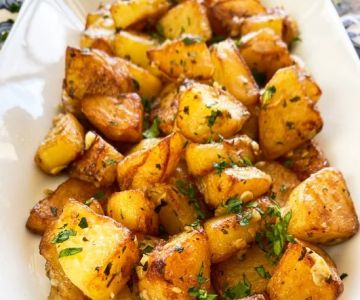
 El Pollo4.0 (780 reviews)
 Quezada Restaurant corp.4.0 (107 reviews)
 Taqueria Los Brothers4.0 (30 reviews)
 The Coolmena Birria Food truck5.0 (11 reviews)
 El Gran Valle3.0 (25 reviews)
 La Vieja Castilla4.0 (469 reviews)
 Traditional Spanish Grilled Shrimp Skewers Recipe
 Discovering the Most Popular Spanish Tapas Recipes in the US
 How to Make Spanish Piquillos Rellenos de Atún: Tuna Stuffed Peppers
 Exploring Spanish Street Food Recipes to Make at Home
 Traditional Spanish Seafood and Tomato Rice: A Delicious Culinary Experience
 How to Make Spanish Tarta de Manzana: Apple Cake