- Spanish Family Dinner Traditions - How Recipes Connect Generations
- Heritage of Spanish Recipes - Stories Behind Traditional Meals
- Classic Spanish Family Dishes - Recipes Loved Across Generations
- Secret of Authentic Spanish Cooking - Techniques Passed Down at Home
- Regional Spanish Family Recipes - Different Flavors Across Spain
- Modern Spanish Family Dinners - Keeping Old Recipes Alive Today
Spanish Family Dinner Traditions That Keep Generations Connected
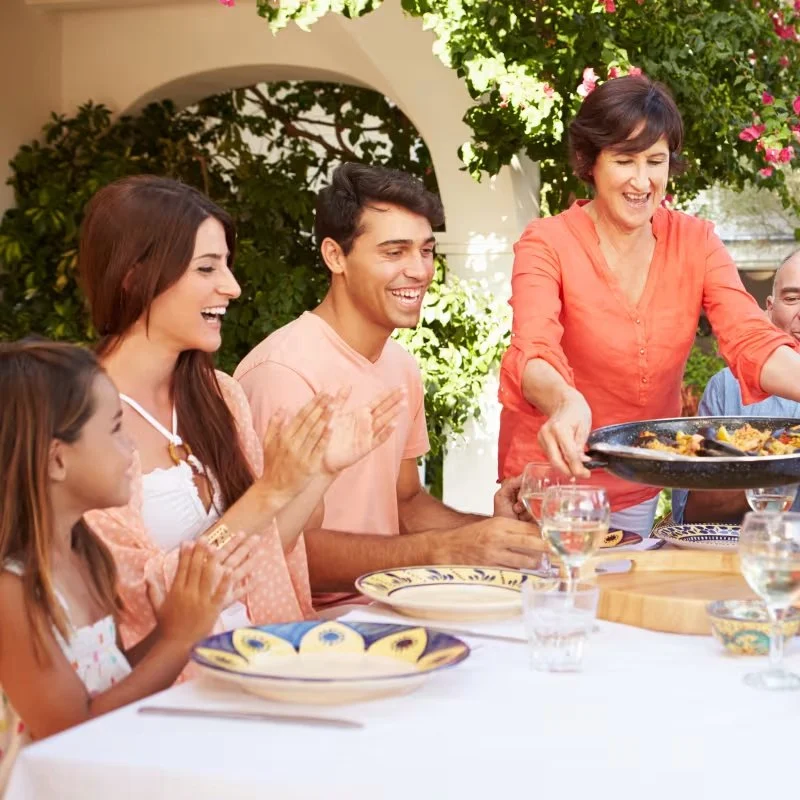
Food has always been more than something placed on a plate in Spanish culture. A family dinner is a moment where stories are shared, memories are created, and traditions continue from one generation to the next. Many Spanish households still prepare meals using handwritten recipes, cooking methods learned from grandparents, and ingredients chosen with care.
Spanish family dinner recipes passed down generations represent a living connection between the past and the present. These recipes often begin with simple ingredients such as olive oil, tomatoes, garlic, onions, rice, seafood, vegetables, and carefully selected spices. Yet the final dishes carry deep emotional meaning because every family adds its own touch.
A grandmother’s way of preparing a sauce, a father’s method of seasoning meat, or a child learning how to shape homemade dough can become part of a family’s identity. These small details are what transform ordinary meals into traditions that survive for decades.
Spanish River Grill & Wine Bar
New Smyrna BeachVolusia CountyFlorida
1518 S Dixie Fwy, New Smyrna Beach, FL 32168, USA
Why Family Recipes Matter in Spanish Culture
In Spain, meals are often considered social events rather than quick moments between busy schedules. Families may spend hours around the table during weekends, holidays, and special occasions. The preparation itself becomes part of the celebration.
Many traditional Spanish families believe that recipes should not simply be written down. They should be experienced. Children learn by watching parents and grandparents cook, tasting ingredients, and understanding the importance of patience.
For example, a traditional stew may appear simple when written as a list of ingredients, but the real knowledge comes from knowing exactly when to add each ingredient, how slowly to cook it, and how to adjust flavors based on experience.

Laberintos De Pasion Restaurant
PhiladelphiaPhiladelphia CountyPennsylvania
3168 G St, Philadelphia, PA 19134, USA
How Spanish Recipes Travel Through Families
The passing of recipes between generations often happens naturally. A young family member may spend weekends in the kitchen with older relatives, learning techniques that have been practiced for many years.
Some families preserve recipes in old notebooks covered with cooking stains and handwritten notes. Others remember recipes through family gatherings where everyone contributes a familiar dish.
This tradition has also continued among Spanish communities around the world. Families who moved to the United States, Latin America, and other countries often brought their favorite recipes with them, adapting ingredients while keeping the original spirit alive.
The Heritage Behind Traditional Spanish Family Meals
The history of Spanish cuisine reflects centuries of cultural influences. Different regions of Spain developed unique cooking styles based on geography, climate, agriculture, and local traditions.
From coastal areas known for seafood dishes to inland regions famous for slow-cooked meats and hearty stews, Spanish family dinner recipes passed down generations often tell the story of where a family comes from.
Historical Influences on Spanish Home Cooking
Spanish cuisine has been shaped by many cultures throughout history. Ingredients and techniques introduced through Mediterranean trade, ancient civilizations, and regional communities created the diverse food traditions enjoyed today.
Olive oil became a foundation of Spanish cooking, while ingredients such as tomatoes, peppers, and potatoes became essential parts of many famous dishes after arriving from the Americas.
Over time, families transformed these ingredients into comforting meals that reflected local lifestyles. A recipe was not only about taste but also about making the most of available resources.
Family Stories Hidden Inside Recipes
Every traditional recipe has a story behind it. A simple rice dish may remind someone of summer gatherings near the coast. A homemade dessert may bring back memories of holiday celebrations with grandparents.
Many Spanish families have emotional connections to dishes because food represents important moments in life. Weddings, birthdays, religious celebrations, and Sunday lunches often revolve around familiar recipes.
At Rubi Spanish Table, exploring traditional Spanish cuisine can help food lovers discover these cultural connections and learn more about the flavors behind authentic family meals.
Classic Spanish Family Dishes Loved Across Generations
Although Spain has hundreds of regional dishes, some meals have become especially meaningful in family kitchens. These recipes continue to appear on dinner tables because they are comforting, practical, and full of flavor.
1. Family-Style Paella
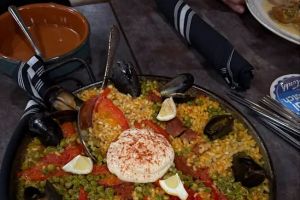
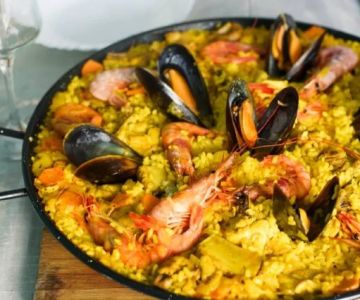
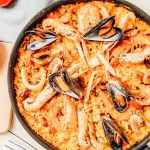
Paella is one of Spain’s most recognizable dishes, but traditional family versions often differ from restaurant presentations. Many Spanish families prepare paella based on regional ingredients and personal preferences.
A family paella might include seafood, chicken, rabbit, vegetables, or a combination of ingredients depending on where the recipe originated. The key is not only the ingredients but the cooking process.
Families often gather around a large pan of paella during celebrations. The dish encourages sharing because everyone serves themselves from the same centerpiece.
2. Slow-Cooked Spanish Stews
Stews have long been an important part of Spanish home cooking. Recipes such as cocido and regional bean-based dishes are examples of meals designed to bring warmth and comfort.
These dishes often require slow cooking, allowing flavors to develop gradually. Many families believe the best results come from patience rather than rushing the process.
A grandmother’s stew recipe may include personal adjustments that are never written down, such as adding a little extra seasoning or cooking slightly longer for deeper flavor.
3. Spanish Tortilla Passed Through Generations
The Spanish tortilla, made with potatoes, eggs, and onions, is a perfect example of how simple ingredients can create an unforgettable meal.
Every family may have its own preferred texture. Some prefer a softer center, while others enjoy a firmer style. These differences are part of what makes family recipes special.
The Secrets Behind Authentic Spanish Family Cooking
Authentic Spanish cooking is not only about following instructions. It is about understanding ingredients, respecting traditional methods, and creating meals with care.
1. Choosing Fresh Ingredients
Spanish family cooks often focus on ingredient quality rather than complicated preparation. Fresh vegetables, good olive oil, seasonal seafood, and traditional spices create the foundation of many beloved dishes.
A recipe that has existed for generations usually succeeds because families understand how each ingredient contributes to the final flavor.
2. Respecting Traditional Techniques
Many Spanish recipes rely on techniques that appear simple but require practice. Slow simmering, careful seasoning, and allowing ingredients to develop flavor over time are common approaches.
Cooking traditions are often taught through observation. A child watching a parent prepare dinner learns more than measurements; they learn timing, texture, and intuition.
3. Creating Memories Around Food
The strongest part of Spanish family cooking is the connection created around the table. Meals provide opportunities for conversations, celebrations, and strengthening relationships.
A recipe survives because people continue making it, sharing it, and introducing it to new generations.

 Bolero at Europa Village4.0 (194 reviews)
 El Tipico Frictufinas4.0 (18 reviews)
 Boqueria Dupont4.0 (3306 reviews)
 Ranchito catracho4.0 (5 reviews)
 Café Madrid4.0 (1280 reviews)
 VIVO Tapas KITCHEN • LOUNGE4.0 (940 reviews)
 The Best Spanish Restaurants in Atlanta, Georgia for Authentic Cuisine
 The Best Spanish Food Blogs to Follow in 2025
 Best Spanish Appetizers for Dinner Parties
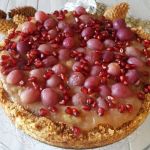 How to Make Spanish Tarta de Uvas: Grape Cake
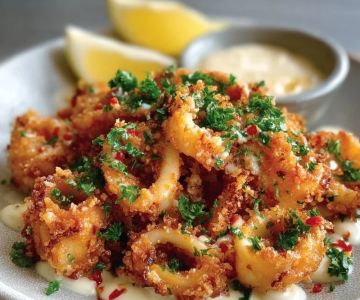
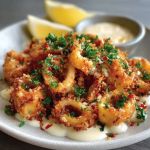 Spanish Fried Calamari with Lemon Aioli Recipe Guide
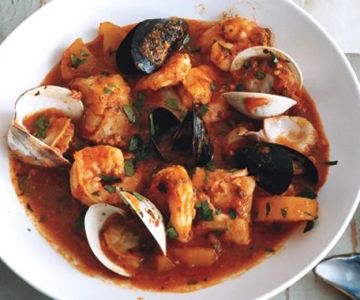
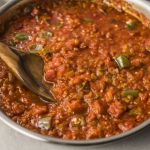 Traditional Spanish Seafood with Homemade Sofrito