
Spanish Paella: Confirm Size, Timing, and Socarrat
On this page
- Understand what the menu promises
- Choose a paella style
- Confirm the minimum order
- Plan for the cooking time
- Ask about rice, broth, and seasoning
- Check seafood, meat, and allergens
- Understand socarrat
- Serve from the pan carefully
- Balance paella with the rest of the meal
- Handle leftovers safely
- Paella order checklist
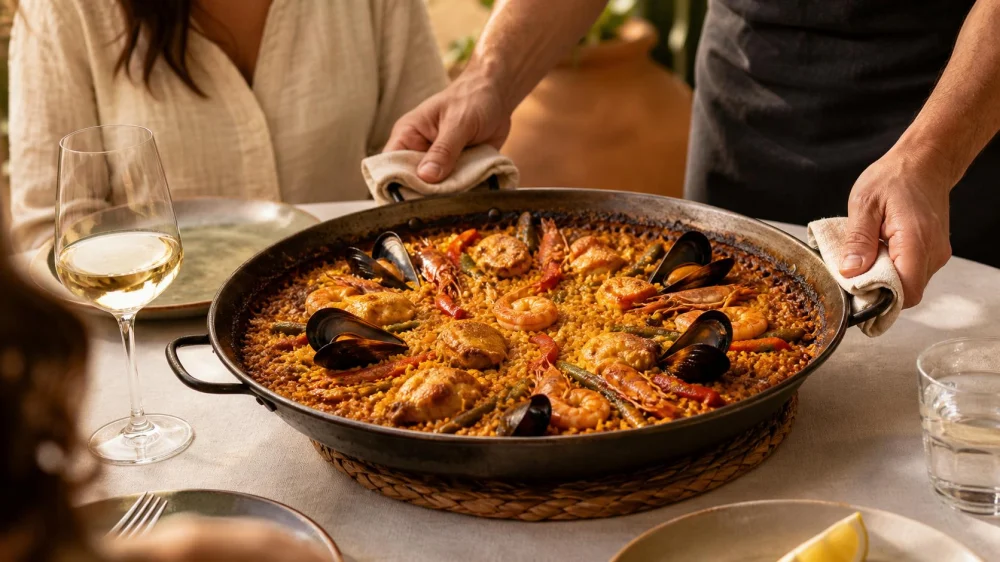
Paella is a rice dish cooked in a broad shallow pan, but restaurant versions differ in ingredients, serving size, preparation time, moisture, and bottom crust. Some are made to order for two or more people; others are prepared in larger batches. Confirm the restaurant's format before building the rest of the meal around it.
Names and recipes vary across regions, restaurants, and chefs. A menu label does not reveal every stock ingredient, allergen, or cooking practice. Ask about the exact dish offered today, particularly when seafood, meat, dietary restrictions, portion size, or timing matters.
Understand what the menu promises
Read whether the price is per person, per pan, or for a fixed number of diners. Check whether the listed ingredients are complete examples or a seasonal selection. Photos may show a larger pan, decorative shellfish, or garnish that is not included in every order.
Ask whether the paella is cooked individually after ordering, finished from a prepared base, or served at a scheduled time. These approaches affect waiting, texture, and the ability to modify ingredients during a busy restaurant service. Do not assume customization is possible once stock and rice are combined in the kitchen.
Choose a paella style
Menus may offer seafood, mixed meat and seafood, chicken, rabbit, vegetable, squid-ink rice, or another house version. Ask the server to describe the dominant flavors, moisture level, chile heat, and whether ingredients are bone-in or shell-on.
A vegetable version should be checked for vegetable stock and cooking fat if vegetarian or vegan suitability matters. Removing visible seafood from a mixed pan does not remove seafood stock or cross-contact. Choose the base recipe that fits rather than relying on late removal.
Confirm the minimum order
Many restaurants require a minimum of two people for one paella style. Confirm whether “for two” means the minimum charge, an estimated main-course portion, or a pan intended to accompany other dishes. Appetite and side orders change how far it goes.
Ask whether one table can order two smaller styles, whether everyone must choose the same version, and whether extra diners can be added. For a group, record the number of portions rather than simply asking for a “large” pan.
Plan for the cooking time
Made-to-order paella commonly takes longer than a quickly plated tapa. Ask for the current estimate before ordering drinks and starters. A quoted time is a range, not a guarantee, because service volume and the cooking process vary.
Order the paella early and pace appetizers so the table is still ready when it arrives. If attending a show or catching transport, tell the server before ordering. A rushed pan may not fit a short dining window.
Ask about rice, broth, and seasoning
Short- or medium-grain rice varieties are commonly used because they absorb seasoned liquid while retaining structure. Ask how the restaurant describes the final texture: dry and separate, tender, slightly moist, or another style. Paella is not expected to resemble creamy risotto.
Broth, sofrito, saffron or colorings, paprika, herbs, salt, and cooking fat shape the dish. Ask about ingredients relevant to an allergy or dietary need. Color alone does not confirm saffron or a particular seasoning.
Check seafood, meat, and allergens
Seafood pans may contain shellfish, fish stock, squid, mussels, clams, shrimp, or other products. Mixed pans can combine these with chicken, pork, sausage, or another meat. Ask whether shells, bones, or whole pieces remain in the finished pan.
State the specific allergy and ask about stock, seasoning, garnish, shared pans, tools, and preparation surfaces. Rice is naturally free of gluten, but the completed restaurant dish is not automatically safe for a person with celiac disease or wheat allergy.
Understand socarrat
Socarrat is the toasted, caramelized rice layer that may form at the bottom of the pan. It should offer concentrated flavor and a crisp or chewy texture. It is not the same as a pan of acrid, completely burned rice.
Ask whether the restaurant aims for socarrat and how diners should reach it. Scrape gently with the provided utensil after upper rice is served. Do not damage the pan or insist that every style produces an identical crust.
Serve from the pan carefully
The metal pan and handles may be extremely hot. Wait for staff to place it securely and explain service. Keep hands, children, sleeves, phones, and bags away. Do not rotate or lift the pan unless staff says it is safe.
Use a clean serving utensil and portion across the pan so everyone receives rice and main ingredients. Check shellfish shells and bones as you eat. Do not use a personal fork to search through the communal pan.
Balance paella with the rest of the meal
Paella can be substantial, especially with bread, tapas, and dessert. Choose a few contrasting starters such as vegetables or a simple salad rather than ordering a full table before seeing the rice portion. Ask staff how many dishes suit the group.
Pair beverages to the paella's richness, salt, and seafood or meat profile, while offering water throughout. Alcohol is optional and should be consumed responsibly. The best pacing leaves time to enjoy the freshly cooked rice.
Handle leftovers safely
Ask whether the restaurant permits takeout and request shallow secure containers. Refrigerate rice and proteins promptly under current food-safety guidance; do not leave the box in a warm car. Split a large amount so it cools appropriately.
Reheat only the portion needed and ensure it is thoroughly heated according to reliable guidance. Seafood shells and crisp socarrat may change texture. Discard leftovers with uncertain time or temperature history, damaged packaging, or abnormal odor.
Paella order checklist
Confirm the style, ingredients, broth, allergens, shells or bones, price basis, minimum order, estimated portion, cooking time, socarrat, serving method, and takeout plan. Tell staff about deadlines before committing to a long preparation.
A successful paella order aligns the pan with the group. Decide the style and portions first, allow the cooking time, respect the hot pan, and save room for the toasted bottom. Clear expectations let the rice arrive as the center of the meal rather than a scheduling surprise.

 Sangria Y Tapas4.0 (959 reviews)
 Charito's kitchen4.0 (104 reviews)
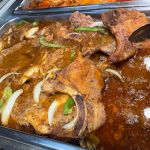 Le Fatima4.0 (342 reviews)
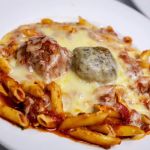 Guido's Pizzeria & Tapas4.0 (2470 reviews)
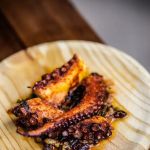 Barcelona Wine Bar4.0 (2240 reviews)
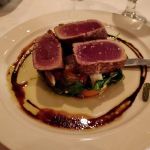 Spanish Tavern4.0 (1408 reviews)
 Spanish Croquettes (Croquetas de Jamón): Authentic Recipe Guide
 Easy Spanish Flan with Condensed Milk: A Delicious Recipe
 How to Make Spanish Croquetas de Jamón con Bechamel: Ham Croquettes with Cream Sauce
 Easy Spanish Rice with Paprika and Herbs: A Flavorful Side Dish
 Authentic Spanish Rice Pudding (Arroz con Leche) Recipe: A Delicious Tradition
 The Best Spanish Food Markets in Granada