
Boquerones vs Anchoas: A Spanish Anchovy Menu Guide
On this page
Quick answer
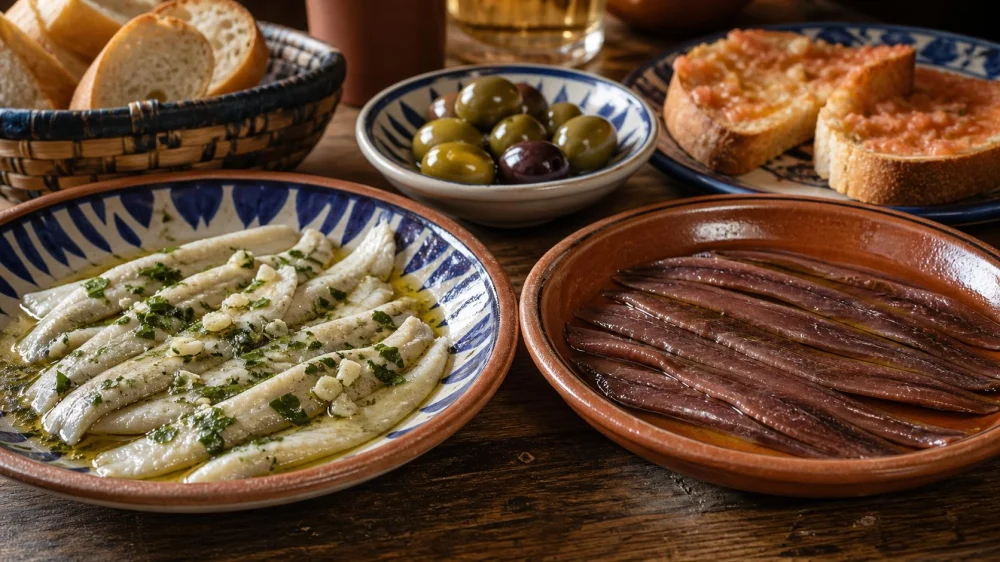
On many Spanish menus, boquerones are pale anchovy fillets marinated in vinegar and often dressed with olive oil, garlic, and parsley. Anchoas usually refers to darker, salt-cured anchovy fillets packed or served in oil. Boquerones taste bright, tangy, and relatively delicate; anchoas are denser, saltier, and more intensely savory.
The terminology can vary by region and menu, so ask how the kitchen prepares each dish. Both are fish allergens. Vinegar marination is not the same as cooking with heat, and restaurants must follow applicable sourcing, freezing, storage, and handling rules for ready-to-eat raw-marinated fish.
Understand the menu names
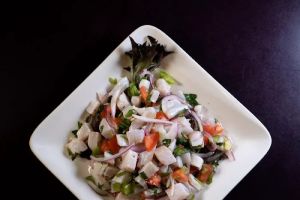
The small fish may be described with words such as anchovy, boquerón, bocarte, or anchoa, and the same species can receive different names based on region or preparation. On a US Spanish menu, the most useful distinction is usually culinary: white vinegar-marinated fillets versus brown or reddish salt-cured fillets.
Look for preparation phrases. En vinagre means in vinegar; en aceite means in oil; en salazón points to salt curing; and al ajillo suggests garlic preparation. Spain’s official tourism site highlights both preserved Cantabrian anchovies and boquerones en vinagre among characteristic Spanish seafood preparations.

What to expect from boquerones
Boquerones en vinagre are cleaned, filleted anchovies marinated without heat, producing an opaque white or ivory appearance and a tender, lightly firm texture. Foods & Wines from Spain’s page on traditional marinades identifies boquerones en vinagre as an emblematic tapa made with fresh anchovy fillets and vinegar.
The plate may include chopped garlic, parsley, extra-virgin olive oil, salt, or citrus. Some restaurants serve the fillets alone; others place them over chips or bread. Expect acidity to lead, followed by clean fish flavor and olive oil. Strong garlic can be a house style rather than a flaw.
What to expect from anchoas
Anchoas are typically matured with salt, then cleaned and packed in oil. Curing draws moisture, changes texture, and concentrates savoriness. High-quality fillets should be meaty and supple rather than dry, pasty, or dominated by hard bones. Color can range from reddish brown to deep mahogany.
They may arrive on bread with butter, tomato, roasted pepper, cheese, or olive oil, or as part of a skewer such as a gilda. Because each fillet carries strong flavor, a small serving can season an entire bite. Taste one before adding more salt to another dish.
Compare flavor and texture
Boquerones offer acidity, freshness, and a softer bite; anchoas offer salinity, umami, and a firmer cured texture. The pale-versus-dark visual contrast is useful, but sauce, oil, herbs, and lighting can alter appearance. Ask the server when the menu name or presentation is ambiguous.
Neither style is automatically “better.” Someone who dislikes canned anchovy intensity may enjoy a vinegar-marinated white fillet, while someone who wants a concentrated savory accent may prefer salt-cured anchoas. A side-by-side order shows how processing changes the experience of a closely related ingredient.
Order a useful side-by-side tasting
Ask whether the restaurant offers both preparations and how many fillets come in each serving. Request simple presentations first, with bread or sauce alongside, so the marinades and cure remain clear. Taste the boquerón before the stronger anchoa, then reset with bread or water.
Compare aroma, acidity, salt, oil, garlic, texture, and finish. Use a serving utensil and divide the fillets before the table begins. If one preparation is new to the group, a half order or mixed conservas plate may prevent waste.
Recognize common serving styles
Boquerones may be arranged in a fan under parsley and garlic oil, served with olives, layered over potato chips, or paired with anchoas in a two-color tapa sometimes called a “marriage.” Anchoas may top pan con tomate, buttered toast, roasted peppers, or skewers with olives and pickled peppers.
Some menus use canned premium seafood presented in the tin; others plate house-marinated fish. Ask whether the product is a conserva, prepared in-house, or sourced from a specific region if provenance interests you. Presentation does not by itself determine quality or safety.
Ask about allergens and sodium
Both dishes contain finfish and are unsuitable for someone with a fish allergy unless their medical guidance says otherwise. Tell the restaurant about the allergy before ordering because utensils, oils, cutting boards, bread, garnishes, and mixed tapas can create cross-contact. Garlic, sulfites, dairy, egg, and gluten may appear in accompaniments even when the fish preparation seems simple.
Salt-cured anchoas can be high in sodium, and boquerones also receive seasoning. Diners limiting sodium should ask about portion size and preparation instead of assuming vinegar means low salt. Sharing a smaller serving with unsalted vegetables or bread may fit preferences better, but individual dietary advice belongs with a qualified clinician.
Understand raw-marinated fish safety
Acid changes the color and texture of fish but does not make vinegar marination equivalent to thorough cooking. The FDA Food Code includes parasite-destruction controls for many fish served raw, raw-marinated, or partially cooked, along with recordkeeping requirements and defined exceptions. Restaurants also follow state and local adoption of food-safety rules.
Ask a restaurant how it manages raw-marinated seafood if you have concerns; do not try to verify safety by color, smell, or the strength of the vinegar. Pregnant people, older adults, young children, and people with weakened immune systems should follow their healthcare professional’s advice about raw or undercooked seafood. Keep takeout cold and refrigerate promptly under the restaurant’s and local public-health instructions.
Pair and share the tapas
Balance anchovy intensity with pan con tomate, roasted peppers, mild cheese, olives, potato dishes, or a crisp salad. Avoid ordering several very salty cured items without fresh or starchy counterpoints. Boquerones can brighten a rich tapas round, while anchoas can add a concentrated savory note to simple bread and vegetables.
Sparkling water, citrusy nonalcoholic drinks, light beer, cider, fino or manzanilla sherry, cava, and crisp white wine can all work depending on the preparation and preference. Ask for a small pour if you are experimenting, drink responsibly, and remember that the food—not an alcoholic pairing—is the focus.
 Estrella Mileni3.0 (42 reviews)
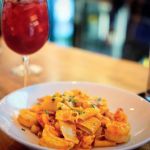 Tablao Wine Bar & Restaurant4.0 (623 reviews)
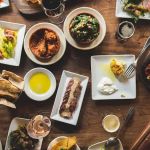 Barcelona Wine Bar4.0 (3753 reviews)
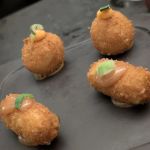 Tomiño Taberna Gallega4.0 (2164 reviews)
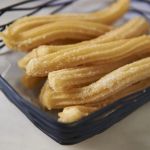 La Churreria4.0 (801 reviews)
 Boqueria Dupont4.0 (3306 reviews)
 Exploring Spanish Street Food Recipes That Can Be Cooked at Home
 The Best Spanish Restaurants in Houston for Tapas and Wine Nights
 A Guide to the Most Popular Spanish Cheeses and Their Uses
 Spanish Tapas Recipes for Game Night
 How to Make Spanish Croquetas de Espinacas y Queso: Spinach and Cheese Croquettes Recipe
 How to Make Spanish Croquetas de Jamón, Pollo y Queso: Ham, Chicken, and Cheese Croquettes