- 1. What are Spanish Croquetas?
- 2. Key Ingredients for Ham, Chicken, and Cheese Croquettes
- 3. Step-by-Step Guide to Making Croquetas de Jamón, Pollo y Queso
- 4. Tips for Perfecting Your Croquetas
- 5. Real-Life Example: How a Spanish Family Makes Croquetas
1. What are Spanish Croquetas?
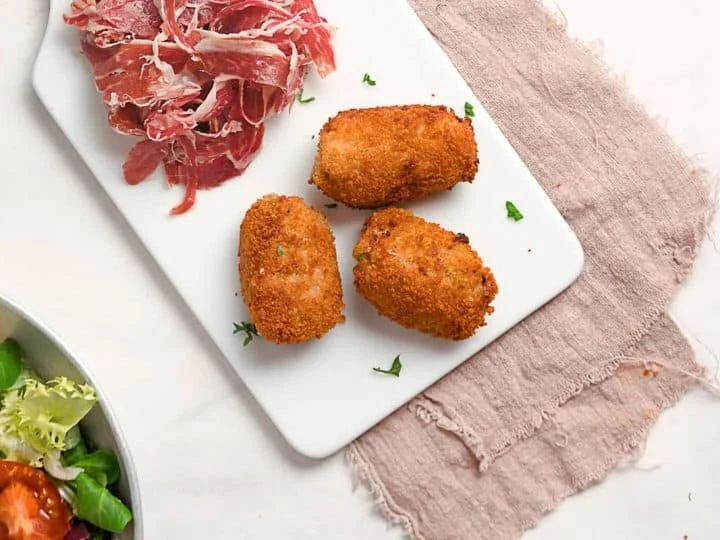
Spanish croquetas are a beloved tapas dish enjoyed across Spain. These crispy, golden-brown fritters are traditionally made with a creamy filling, often including ham, chicken, or cheese. Croquetas are the perfect combination of crunchy on the outside and smooth on the inside, making them a crowd favorite at gatherings, parties, and family meals.
In Spain, croquetas are an art form. They are a great way to use up leftover ingredients, and each region may have its own twist on the recipe. The base of the croqueta mixture typically includes béchamel sauce, which is thickened with flour and butter, then combined with the star ingredients like jamón (ham), pollo (chicken), or queso (cheese).

2. Key Ingredients for Ham, Chicken, and Cheese Croquettes
Making croquetas de jamón, pollo y queso at home requires just a few key ingredients. Here’s what you’ll need:
ANTOJAO Deli & Rest.
Jersey CityHudson CountyNew Jersey
1605 John F. Kennedy Blvd, Jersey City, NJ 07305, USA
2.1 Béchamel Sauce
The base of the croquetas is a béchamel sauce, which is made by cooking butter and flour together to create a roux, then gradually adding milk until the mixture thickens into a smooth, creamy sauce. This forms the velvety texture inside each croqueta.
2.2 Jamón (Ham)
For the ham version, jamón serrano is the traditional choice in Spain, but you can substitute with any high-quality cured ham. The ham is finely chopped and added to the béchamel sauce for that signature savory taste.
2.3 Pollo (Chicken)
If you prefer chicken croquetas, cooked and shredded chicken is a great filling. It’s tender and flavorful, and it pairs wonderfully with the creamy béchamel. For a more authentic flavor, try using roasted or grilled chicken rather than boiled chicken.
2.4 Queso (Cheese)
Cheese adds richness to the croquetas. Spanish cheeses like Manchego or Mahón work wonderfully, though you can experiment with other cheeses like cheddar or mozzarella for a melt-in-your-mouth effect when you bite into the croqueta.
2.5 Other Ingredients
In addition to the main ingredients, you’ll need breadcrumbs, eggs, and flour for breading. The breadcrumbs create the crispy outer layer, while the egg helps the breading adhere to the croquetas.
3. Step-by-Step Guide to Making Croquetas de Jamón, Pollo y Queso
Now that you have all your ingredients ready, follow this simple step-by-step guide to make these delicious Spanish croquettes at home.
3.1 Prepare the Béchamel Sauce
Start by making the béchamel sauce. Melt 3 tablespoons of butter in a medium saucepan over medium heat. Once melted, add 3 tablespoons of flour and whisk constantly to create a roux. Slowly pour in 2 cups of milk while continuing to whisk, ensuring the sauce is smooth and lump-free. Continue to cook for 3-5 minutes until the sauce thickens.
3.2 Add Your Filling
Once the béchamel sauce is ready, it’s time to add the ham, chicken, and cheese. For ham croquetas, add about 1 cup of finely chopped jamón serrano to the sauce. For chicken croquetas, add about 1 cup of shredded cooked chicken, and for cheese croquetas, add ½ cup of grated cheese. Stir the mixture well and cook for another 2-3 minutes to combine the flavors. Season with salt and pepper to taste.
3.3 Cool the Mixture
Transfer the béchamel and filling mixture to a shallow dish and spread it evenly. Cover with plastic wrap and refrigerate for at least 2 hours or until the mixture has firmed up. This makes it easier to shape into croquetas.
3.4 Shape the Croquetas
Once the mixture has cooled and set, use your hands to shape it into small, cylindrical or oval croquettes. You can make them as large or as small as you like, but traditional croquetas are about the size of a golf ball.
3.5 Coat and Fry the Croquetas
To bread the croquetas, dip each one in flour, followed by beaten egg, and then coat with breadcrumbs. Heat oil in a large frying pan over medium heat, and fry the croquetas in batches until golden brown, about 3-4 minutes per side. Remove them from the oil and drain on paper towels to remove excess oil.
4. Tips for Perfecting Your Croquetas
Making perfect croquetas can take a little practice, but with these tips, you’ll be able to master the recipe in no time:
4.1 Don’t Rush the Cooling Time
Allowing the croqueta mixture to cool completely before shaping is crucial for the texture. If the mixture is too soft, it will be difficult to form into croquettes, and they may fall apart during frying.
4.2 Experiment with Fillings
While ham, chicken, and cheese are traditional fillings, feel free to get creative! You can add vegetables, like spinach or mushrooms, or even mix different types of cheese for a richer flavor.
4.3 Fry at the Right Temperature
The oil temperature is key to getting crispy croquetas. If the oil is too hot, they’ll burn on the outside before cooking through. If it’s too cold, the croquetas will absorb too much oil. The ideal frying temperature is around 350°F (175°C).
5. Real-Life Example: How a Spanish Family Makes Croquetas
Maria, a Spanish home cook, learned the art of croquetas from her grandmother. Every Sunday, their family gathered to enjoy a big meal, and croquetas were always on the menu. Her grandmother's recipe, passed down through generations, never failed to impress. Maria remembers how the kitchen would fill with the scent of sizzling croquetas, and how everyone eagerly awaited the crispy, golden treats. Now, Maria continues the tradition with her own children, teaching them the same recipe and creating lasting memories. This real-life example shows how food, like croquetas, can bring families together and preserve cherished traditions.
 My Coral4.0 (65 reviews)
 Barcelona Wine Bar4.0 (1641 reviews)
 Sabor Doña Eda5.0 (4 reviews)
 Sangarita's Tapas Wine4.0 (446 reviews)
 512 Deli LLC4.0 (123 reviews)
 Café Salamanca4.0 (525 reviews)
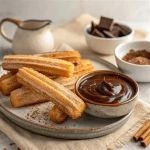 How to Make Spanish Churros with Chocolate Sauce: A Step-by-Step Guide
 The Best Spanish Restaurants in San Antonio for Tapas and Paella
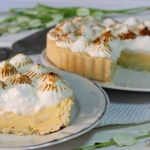 How to Make Spanish Tarta de Limón con Merengue: Lemon Meringue Pie
 The Best Spanish Food Markets in Seville
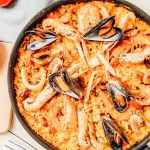 The Best Spanish Food Blogs to Follow in 2025
 The Best Spanish Food Markets in Alicante for Fresh Seafood and Vegetables