- #easy-spanish-paella-cast-iron-skillet-guide - Discover why a cast iron skillet is perfect for homemade paella
- #ingredients-and-preparation-tips - Learn the essential ingredients and preparation methods
- #step-by-step-paella-cooking-process - Follow a simple process for creating flavorful Spanish paella
- #traditional-flavor-techniques - Understand the secrets behind authentic Spanish taste
- #common-paella-mistakes-and-solutions - Avoid cooking problems with practical solutions
- #serving-and-enjoying-paella-at-home - Create a memorable dining experience
Creating Restaurant-Style Spanish Paella with a Cast Iron Skillet at Home
Why an Easy Spanish Paella in a Cast Iron Skillet Is Perfect for Home Cooking
Spanish paella is one of the world's most recognizable rice dishes, known for its vibrant colors, rich aroma, and the way it brings people together around the table. While many people assume that making authentic paella requires specialized equipment or years of cooking experience, an Easy Spanish Paella in a Cast Iron Skillet can be surprisingly simple for home cooks.
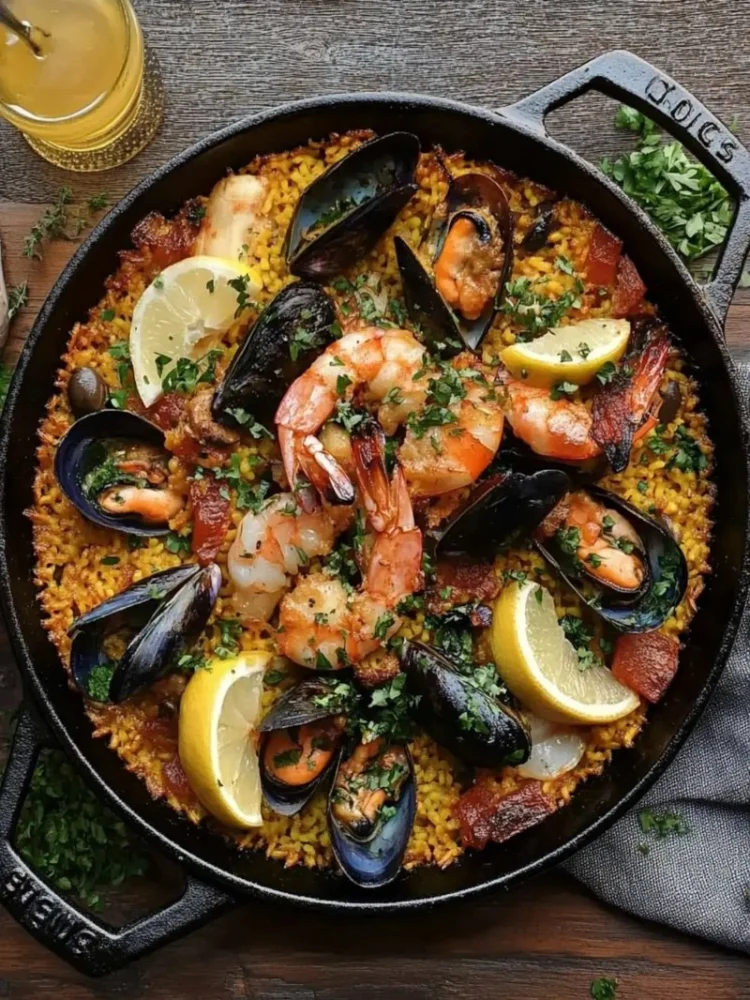
The cast iron skillet has become a favorite choice among home chefs because it provides even heat distribution and excellent heat retention. These qualities are especially important when preparing paella because the rice needs consistent cooking temperatures to absorb flavors while developing the famous crispy bottom layer called socarrat.
Traditional paella originated in Valencia, Spain, where farmers and workers created practical meals using rice, vegetables, beans, and available proteins. Over time, seafood versions, chicken variations, and mixed paellas became popular around the world. Today, American home cooks enjoy adapting the dish while respecting its traditional cooking methods.
A cast iron skillet offers a convenient alternative to a traditional paella pan. It works well on many home stovetops, transfers easily from stove to oven when needed, and allows beginners to experiment with Spanish cooking without purchasing extra equipment. For readers looking for more cooking inspiration, Rubi Spanish Table provides helpful ideas and resources for exploring Spanish-inspired meals and dining experiences.

Choosing the Right Ingredients for Homemade Spanish Paella
1. Selecting the Best Rice for Paella
Rice is the foundation of paella, and choosing the correct type makes a major difference. Traditional Spanish paella uses short or medium-grain rice varieties that absorb broth while maintaining structure. The goal is not a creamy texture like risotto but a flavorful rice dish where every grain remains distinct.
Many home cooks make the mistake of using long-grain rice because it is common in American kitchens. While it can work in emergencies, it does not create the same texture. Spanish-style rice varieties are designed to absorb seasoning, saffron, and broth while creating the classic paella experience.
2. Building Flavor with Fresh Ingredients
A great paella depends on layers of flavor. The cooking process usually begins with aromatic ingredients such as onions, garlic, tomatoes, and peppers. These ingredients create a flavorful base that allows the rice to absorb deeper taste throughout cooking.
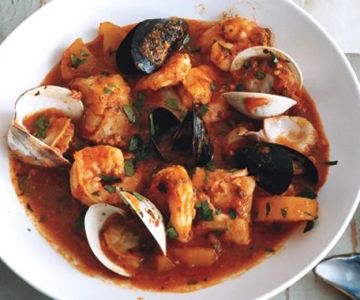
For seafood paella, ingredients such as shrimp, mussels, clams, and squid add natural sweetness and ocean-inspired flavors. Chicken paella benefits from bone-in chicken pieces because they release additional richness into the broth. Vegetarians can create excellent versions using seasonal vegetables, mushrooms, and flavorful vegetable stock.
3. The Importance of Saffron and Seasonings
Saffron is one of the most traditional ingredients associated with Spanish paella. Although it is a premium spice, even a small amount can provide a distinctive aroma, golden color, and subtle earthy flavor.
Smoked paprika is another important ingredient because it adds warmth and depth. Many cooks also include fresh parsley, lemon, and olive oil to brighten the final dish. The balance between savory, smoky, and fresh flavors is what makes paella memorable.
How to Make an Easy Spanish Paella in a Cast Iron Skillet
1. Prepare the Skillet and Ingredients
Before cooking, organize all ingredients because paella moves through several stages quickly. A cast iron skillet should be heated gradually to avoid uneven temperature changes. Adding a small amount of olive oil allows the ingredients to develop flavor while preventing sticking.
Preparation is especially important because paella is not a dish where constant stirring is required. Unlike many rice recipes, paella depends on allowing the rice to cook calmly and absorb the broth naturally.
2. Create the Flavor Base
Start by cooking proteins such as chicken or seafood briefly to develop color and flavor. Remove delicate seafood temporarily if necessary because shrimp and shellfish can become overcooked when exposed to heat for too long.
Next, cook the vegetables and aromatics until they become fragrant. This stage creates the foundation of the dish. A well-developed flavor base helps transform simple rice into something rich and restaurant-quality.
3. Add Rice and Broth Carefully
Once the ingredients are ready, add the rice and allow it to coat with the flavorful mixture. This step helps every grain absorb the oils and seasonings before the broth is added.
After adding broth, spread the rice evenly across the skillet. This is one of the most important differences between paella and other rice dishes. Avoid stirring excessively because movement can release starch and create a texture that feels more like risotto.
4. Allow the Rice to Develop the Socarrat
The socarrat is considered one of the best parts of traditional paella. It is the slightly crispy layer of rice that forms at the bottom of the pan. Achieving it requires patience and careful heat control.
Near the end of cooking, slightly increasing heat for a short period can encourage the bottom layer to crisp. However, the rice should never burn. The goal is a toasted, caramelized flavor rather than a bitter taste.
Professional Tips for Better Spanish Paella Flavor
Understanding the Importance of Cooking Temperature
Temperature management separates average paella from excellent paella. The beginning of cooking requires stronger heat to build flavor, while the rice stage requires controlled heat to cook evenly.
A cast iron skillet naturally helps with this because it maintains steady temperatures. This makes it easier for beginners who may struggle with thin pans that create hot spots.
Using Quality Broth Instead of Plain Water
The liquid used to cook the rice carries much of the final flavor. Seafood broth creates a stronger ocean-inspired taste, while chicken stock adds richness to meat-based versions.
Homemade broth can provide exceptional results, but high-quality store-bought options can also work well for busy cooks. Adding herbs, spices, or vegetable aromatics can improve the flavor even further.
Respecting the No-Stir Cooking Method
Many first-time paella cooks want to stir because they are used to preparing rice differently. However, leaving the rice undisturbed allows the grains to absorb flavor properly and helps create the traditional texture.
This cooking style also creates a more relaxed experience. Instead of constantly monitoring and adjusting the dish, cooks can focus on preparing other parts of the meal and enjoying time with guests.
Common Mistakes When Making Cast Iron Skillet Paella
1. Adding Too Much Liquid
One common mistake is using excessive broth. Too much liquid can create soft, mushy rice instead of the firm texture expected from paella. Measuring ingredients carefully and following rice-to-liquid recommendations helps achieve better results.
2. Stirring the Rice Too Often
Stirring may seem helpful, but it prevents the rice from developing the correct texture. Allowing the grains to remain still helps them cook evenly and encourages the formation of socarrat.
3. Overloading the Skillet
Adding too many ingredients can prevent proper cooking. Paella works best when ingredients have enough space to cook evenly. A balanced ratio of rice, broth, and toppings creates the best experience.
4. Ignoring Resting Time
After cooking, allow the paella to rest for several minutes before serving. This short resting period lets flavors settle and allows the remaining moisture to distribute throughout the rice.
Creating a Complete Spanish Dining Experience
Paella is more than a recipe; it is a social experience. In Spain, meals are often enjoyed slowly with conversation, shared dishes, and relaxed gatherings. Bringing this tradition into your home can make an ordinary dinner feel special.
Serve your cast iron skillet paella directly at the table for a rustic presentation. Garnish with fresh lemon wedges and herbs to add brightness. Pairing the dish with a simple salad, roasted vegetables, or Spanish-inspired appetizers can create a complete meal.
Making Paella Part of Your Cooking Journey
Many people discover a passion for Spanish cuisine after making their first paella. The dish encourages creativity because cooks can experiment with different proteins, vegetables, and seasonings while maintaining traditional techniques.
Whether you are preparing dinner for family, hosting friends, or simply exploring international flavors, learning how to make an Easy Spanish Paella in a Cast Iron Skillet is a rewarding skill. The combination of simple ingredients, careful technique, and authentic flavors creates a meal worth sharing.
For those interested in discovering more Spanish food ideas, cooking inspiration, and ways to enjoy traditional flavors at home, Rubi Spanish Table can help you explore more options and find new culinary experiences. Choosing quality ingredients and the right cooking approach can turn a simple skillet meal into an unforgettable Spanish feast.

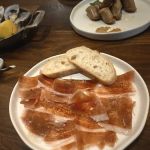
 Es Mi Isla X5.0 (8 reviews)
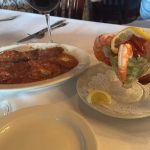
 Casa de Raku4.0 (47 reviews)
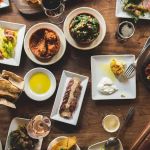
 La Candela Española4.0 (277 reviews)
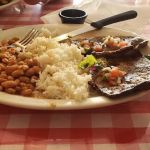
 Barcelona Wine Bar4.0 (1640 reviews)
 El Portal Restaurante in Morristown3.0 (67 reviews)
 Circulo Español4.0 (319 reviews)
 How to Make Spanish Tarta de Manzana y Canela: Apple Cinnamon Cake
 How to Make Spanish Tarta de Uvas: Grape Cake
 The Best Spanish Food Markets in Bilbao for Regional Ingredients
 How to Make Spanish Tortas de Aceite at Home
 Exploring Spanish Street Food Recipes to Make at Home
 How to Make Spanish Croquetas de Pollo con Salsa Bechamel: Chicken Croquettes with Cream Sauce