
Spanish Gazpacho: Texture, Garnishes, and Temperature
On this page
Quick answer
Gazpacho is a chilled Spanish soup commonly built around ripe tomatoes, peppers, garlic, olive oil, vinegar, water, and sometimes bread. Before ordering, ask whether the restaurant serves it smooth or rustic, what garnishes arrive on top, and whether bread, egg, or another allergen is included. Enjoy it cold and early in the meal, then adjust only after tasting.
Know what you are ordering
Restaurant gazpacho can be a pourable drink-like soup, a spoonable starter, or a more textured bowl. The ingredient balance and garnish reflect the kitchen, season, and regional inspiration, so expect variation rather than one universal formula.
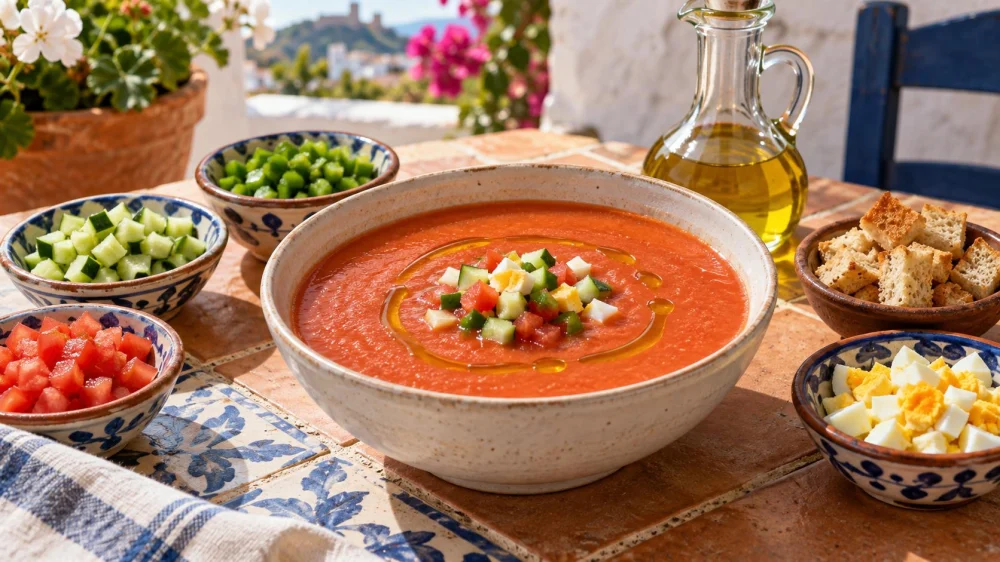
Spain's official tourism site describes gazpacho as an Andalusian cold soup using ripe tomatoes, green peppers, garlic, bread, olive oil, sherry vinegar, water, and salt, with diced garnishes served according to taste.

Compare texture and balance
A finely blended gazpacho feels silky or lightly pulpy, while a less strained version keeps more vegetable texture. Bread can add body, olive oil can round the mouthfeel, and water changes how easily it pours. Vinegar and salt sharpen the tomato flavor.
Taste the first spoonful before adding seasoning. If the restaurant offers oil, vinegar, or salt separately, make small adjustments because cold temperature can make flavors register gradually.
Ask about garnishes
Common garnishes can include diced tomato, cucumber, pepper, onion, bread, or hard-boiled egg. Some kitchens add croutons, herbs, fruit, seafood, or cured meat. Garnish is not merely decoration: it changes texture, flavor, and dietary fit.
Ask whether garnishes are mixed in, placed on top, or served alongside. Requesting them separately makes it easier to share and to control crunch, onion, or heat.
Plan temperature and timing
Gazpacho is meant to be served chilled, making it a refreshing opening dish in warm weather. It should arrive cold but still taste of vegetables rather than being overwhelmed by ice or dilution.
Order it before hot tapas or a main course so the contrast remains clear. If it sits for a while, stir gently because natural ingredients may settle.
Order and share comfortably
Confirm whether the serving is a cup, bowl, glass, or shareable portion. For a group, ask for small bowls or spoons instead of passing a single vessel. Pair it with bread, olives, or a simple tapa without assuming those items are included.
The official Spanish cuisine overview places gazpacho among Spain's best-known dishes while noting that ingredients and traditions vary across regions.
Dietary and safety limits
Do not assume every gazpacho is vegan, gluten-free, or free from egg, dairy, nuts, fish, or shellfish. Ask the restaurant about the full recipe, garnish, shared blender, utensils, and cross-contact procedures. People with allergies need kitchen-specific confirmation.
Frequently asked questions
Is gazpacho always completely smooth?
No. Blending, straining, water, and bread vary, so ask about the restaurant's texture.
Is gazpacho the same as salmorejo?
No. Both are chilled tomato-based dishes associated with Andalusia, but salmorejo is generally thicker and has a different preparation and typical garnish.
Can gazpacho contain bread?
Yes. Traditional and restaurant recipes may include bread, so confirm if you avoid gluten.
Should I add vinegar immediately?
Taste first. The kitchen may already have balanced tomato sweetness, oil, acidity, and salt.
Sources and tradition notes
This guide uses Spain's official tourism information on gazpacho ingredients, presentation, chilled service, and regional food culture. Restaurant recipes vary, so direct questions are more reliable than assumptions.
Next steps
Ask about texture, ingredients, garnish, and portion size. Taste the soup cold before adjusting it, add garnishes gradually, and confirm allergens or cross-contact directly with the restaurant when needed.


 Guido's Pizzeria & Tapas4.0 (2470 reviews)
 Aritza4.0 (97 reviews)
 Enoteca5.0 (2 reviews)
 Tempranillo Restaurant4.0 (329 reviews)
 La Tienda Tapas Bar4.0 (500 reviews)
 Rock & Tapas4.0 (104 reviews)
 Spanish Bacalao: Salt, Sauce, Bones, and Ordering
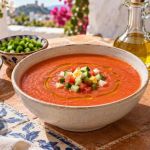 Spanish Gazpacho: Texture, Garnishes, and Temperature
 Spanish Dining Texture Guide: Ask Before Choosing a Dish
 Spanish Dining Menu Specials: Ask What Changes Before Ordering
 Spanish Conservas: Tin, Seafood, Service, and Sharing
 Spanish Jamón Board: Cut, Fat, Pairing, and Sharing