
- 1. What Is Fabada Asturiana?
- 2. Key Ingredients for Fabada Asturiana
- 3. How to Make Traditional Fabada Asturiana
- 4. Serving and Enjoying Fabada Asturiana
- 5. A Real-Life Story Behind Fabada Asturiana
1. What Is Fabada Asturiana?
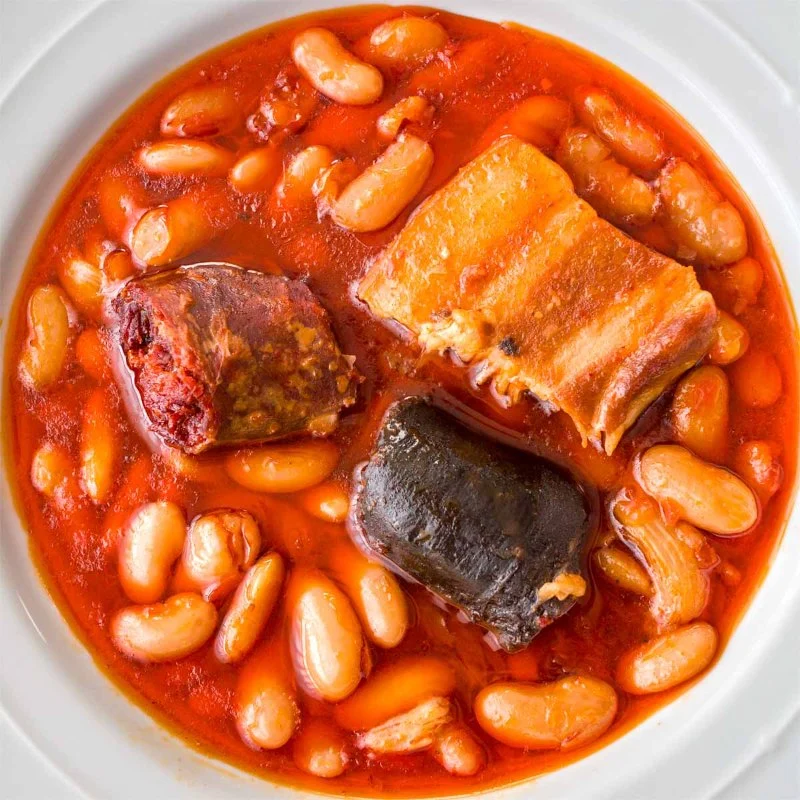
Fabada Asturiana is a traditional Spanish bean stew that originates from the region of Asturias, in northern Spain. This hearty dish is made with large white beans, known as "fabes," and is typically cooked with chorizo, morcilla (blood sausage), and pancetta. The dish is rich in flavor and often enjoyed as a comforting meal, especially during colder months.
Known for its simplicity and depth of flavor, Fabada Asturiana is a perfect representation of Spanish cuisine, where the quality of the ingredients shines through. Whether served on a chilly winter evening or at a festive gathering, it is sure to please the palate.
2. Key Ingredients for Fabada Asturiana
To make an authentic Fabada Asturiana, you will need a few key ingredients that bring the dish together. The combination of rich meats, flavorful beans, and aromatic seasonings makes this stew a delightful treat for any occasion.
Paella Tapas Wine Bar Restaurant
NorwalkWestern Connecticut Planning RegionConnecticut
44-46 Main St, Norwalk, CT 06851, USA
2.1 White Beans (Fabes)
The most important ingredient in Fabada Asturiana is the white bean, also called "faba" or "fabe." These beans are large, creamy, and tender when cooked, making them perfect for stews. If you can't find authentic Asturian beans, you can substitute them with other white beans such as cannellini beans, though the texture might vary slightly.
2.2 Chorizo and Morcilla
Chorizo, a Spanish pork sausage seasoned with paprika, is a must-have in Fabada Asturiana. It adds a smoky and spicy flavor to the stew. Morcilla, or Spanish blood sausage, is also a key ingredient. It brings depth and richness to the dish. While morcilla may be hard to find in some areas, it can be replaced with other types of sausage or omitted for a lighter version.
2.3 Pancetta or Bacon
For additional flavor, pancetta or bacon is often added to the stew. These salty, fatty cuts provide a savory base that complements the beans and sausages. The fat from the pancetta adds richness to the broth, making each spoonful more satisfying.
2.4 Saffron and Garlic
Saffron is commonly used to give the stew a golden color and a subtle, earthy flavor. Garlic, along with onions and bay leaves, is also essential for seasoning the dish and enhancing its aroma.
3. How to Make Traditional Fabada Asturiana
Making Fabada Asturiana requires patience, but the result is well worth the effort. Here's a step-by-step guide to creating this delicious stew at home:
3.1 Soaking the Beans
Start by soaking the beans overnight in water. This will help them cook evenly and soften. Drain and rinse them before cooking.
3.2 Cooking the Beans
Place the soaked beans in a large pot and cover them with fresh water. Bring the water to a boil and then reduce the heat to a simmer. Add the chorizo, morcilla, and pancetta, and let the stew cook for about 2 to 3 hours, until the beans are tender and the flavors have melded together.
3.3 Seasoning the Stew
While the stew is cooking, prepare a sofrito by sautéing garlic, onions, and bay leaves in olive oil. Once the beans are nearly done, stir the sofrito into the pot along with the saffron. Allow the stew to simmer for an additional 30 minutes to let the flavors develop fully.
4. Serving and Enjoying Fabada Asturiana
Fabada Asturiana is best enjoyed hot and served with rustic bread. Some people like to drizzle a bit of extra virgin olive oil on top before serving, while others prefer it as is. The stew can be eaten as a main course and pairs beautifully with a glass of Spanish red wine or cider.
Traditionally, Fabada Asturiana is a dish meant to be savored slowly with family and friends, making it perfect for gatherings or special occasions. It is rich, comforting, and deeply satisfying—a true taste of Asturias.
5. A Real-Life Story Behind Fabada Asturiana
Fabada Asturiana has deep cultural roots in Asturias. The dish was originally a hearty meal designed to feed farmers and workers who needed the energy to get through long, hard days. It was often cooked in large pots over an open fire and shared among families and communities.
Today, Fabada Asturiana is enjoyed by people all over Spain and the world, and many families have their own variations of the recipe. The dish remains a symbol of Spanish tradition, bringing warmth and connection to all who share it.
 mfk. Restaurant4.0 (408 reviews)
 Sangarita's Tapas Wine4.0 (446 reviews)
 Los Latinos Deli & Grill4.0 (151 reviews)
 Delicias Nany4.0 (11 reviews)
 El Gordo Coqui4.0 (176 reviews)
 Madre Tierra Deli4.0 (74 reviews)
 Discovering the Most Popular Spanish Tapas Recipes in the US
 Best Spanish Appetizers for Dinner Parties
 The Best Spanish Food Blogs to Follow in 2025
 How to Make Spanish Tarta de Almendra y Limón at Home
 Spanish Seafood Casserole with Garlic Butter Sauce: A Delicious Recipe
 Exploring the Regional Cuisines of Spain: A Culinary Journey Through Spain’s Flavors