
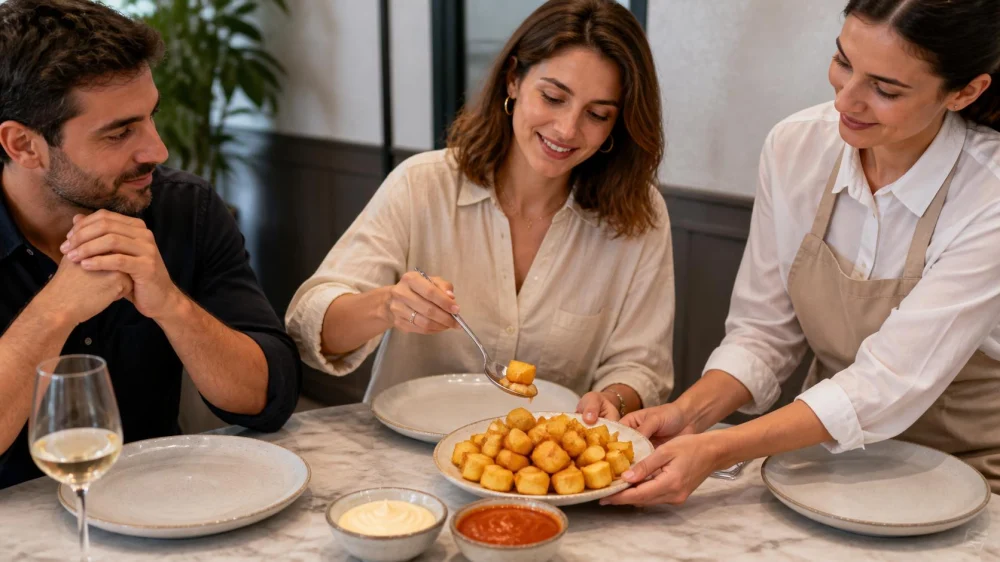
Patatas Bravas: Crisp Potatoes, Sauces, and Sharing
Patatas bravas are often described as fried potatoes with a spicy sauce, but the details vary widely. Potato cut, pre-cooking, frying, sauce style, aioli, serving vessel, and timing determine whether the dish stays crisp, creamy, smoky, sharp, or soft. A few questions help you match the restaurant’s version to your table.
Quick answer
Ask whether the potatoes are cubes, wedges, or slices; fried or roasted; and how crisp the house style is. Confirm whether bravas sauce is tomato-, pepper-, paprika-, or mayonnaise-based, how hot it is, and whether aioli comes on top or separately. Order the right portion, eat soon after serving, and use shared utensils. For takeout, request sauces separately when available and expect some texture loss during travel.
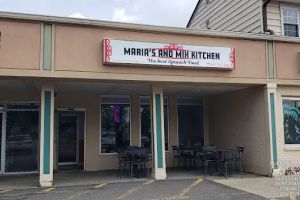
Maria's And Mix Kitchen
New WindsorOrange CountyNew York
215 Quassaick Ave suite 101 A, New Windsor, NY 12553, USA
Compare potato cut and texture
Small cubes create many crisp edges and can carry sauce evenly. Larger irregular chunks have more fluffy interior. Wedges emphasize the potato center, while slices produce a different ratio of crust to softness.
Restaurants may parboil, confit, fry once or twice, roast, or combine methods. A crisp exterior should not require a dry interior. Ask for the house texture rather than assuming all versions are identical.
Very dark edges, excessive greasiness, raw centers, or a cold plate may be service problems. Texture that softens under sauce, however, is expected over time.

Understand bravas sauce
Some bravas sauces use tomato and chile; others emphasize smoked or sweet paprika, roasted pepper, vinegar, stock, or a thickened base. Color alone does not predict heat. A bright red sauce can be mild, while a pale one can be assertive.
Ask whether the sauce is sweet, smoky, tangy, or hot and whether it contains meat stock, gluten-containing thickeners, or other ingredients. If the group has mixed preferences, request sauce on the side.
Start with a small amount. Sauce can always be added, but saturated potatoes cannot become crisp again.
Decide on aioli
Aioli may refer to a garlic-and-oil emulsion or a garlic mayonnaise-style sauce, depending on the restaurant. It adds richness and cool contrast but can contain egg and may be prepared with commercial mayonnaise.
Ask whether aioli is included, drizzled, dotted, or served separately. A light amount preserves more potato texture. Guests who dislike raw garlic intensity may prefer bravas sauce alone.
For egg allergy, vegan choices, pregnancy concerns, or other needs, ask about the exact preparation and whether pasteurized ingredients are used rather than relying on the name.
Protect crispness
Patatas bravas are best served soon after cooking. Hot potatoes release steam, and sauce adds moisture. If the dish arrives before other guests or courses, begin sharing it rather than holding it covered.
Ask for sauces underneath, lightly drizzled, or separate only when the kitchen offers those options. Each changes the intended presentation. Do not send back a sauced dish solely because the base has softened after sitting at the table.
Keep the plate away from condensation, spilled drinks, and steam from other dishes. Use a serving spoon or fork rather than moving pieces by hand.
Portion and share
Confirm whether the order is a tapa for one or two people, a larger ración, or part of a set menu. Potatoes are filling, especially among bread, croquetas, tortilla, and other starches.
Place the dish within easy reach and serve a modest first round. Ensure each diner gets sauce and crisp pieces instead of taking only the most browned edges.
Use the shared utensil and a personal plate. Do not return a tasted potato to the platter or dip personal utensils into shared sauce.
Check ingredients and allergens
Potential allergens can appear in aioli, mayonnaise, sauce thickeners, stock, cooking oil, and shared fryer equipment. Major concerns may include egg, milk, wheat, soy, fish, or mustard depending on the recipe.
Potatoes are naturally gluten-free, but a shared fryer, coating, or sauce may not be. Tell the server about an allergy and ask the kitchen to verify current ingredients and cross-contact.
“Sauce on the side” does not remove fryer or preparation contact. If the restaurant cannot accommodate an allergy safely, choose another dish.
Plan takeout and leftovers
Request vented packaging and sauces in sealed separate cups when possible. Keep the bag level and travel directly. Avoid closing a vent designed to release steam.
Refrigerate perishable leftovers within two hours, or within one hour above 90°F. Store potatoes and sauces separately if they arrived that way.
Reheat potatoes thoroughly in suitable cookware; an oven or air fryer may restore some edges better than a microwave, but follow appliance and packaging instructions. Add chilled sauce after heating when appropriate.
Frequently asked questions
Are patatas bravas always spicy?
No. Heat varies by recipe. Ask the restaurant and taste sauce gradually.
Is aioli always included?
No. Some versions use only bravas sauce; others use both. Confirm before ordering.
Are they gluten-free?
Not automatically. Check sauce, coatings, stock, and shared fryer use.
Why did takeout potatoes become soft?
Steam and sauce soften the surface. Separate sauce and vented packaging can reduce, not eliminate, the change.
Next steps
Ask about cut, cooking method, house crispness, sauce flavor, heat, aioli, portion, and allergens. Order sauces separately if the group needs control, then share the dish promptly using a clean serving utensil.
For a useful comparison, note three things after the meal: whether the center was fluffy, how long the edges stayed crisp, and whether the sauce balanced smoke, acidity, sweetness, and heat. Those observations are more helpful for a future order than expecting one universal version. If you preferred more contrast, choose a lighter drizzle next time; if you wanted more integration, ask whether the kitchen recommends sauce underneath or a full toss.


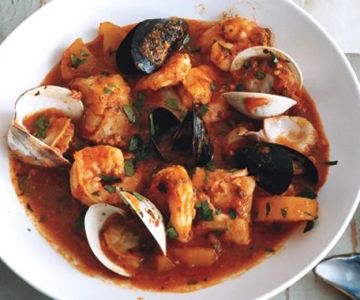
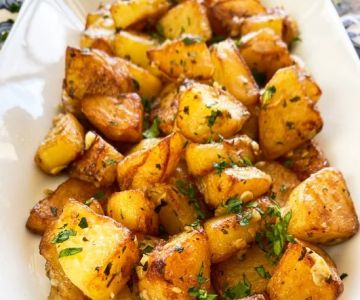
 Maria's And Mix Kitchen4.0 (47 reviews)
 Las Palmas Deli4.0 (225 reviews)
 Boqueria UES4.0 (2026 reviews)
 Mina's Spanish Kitchen3.0 (297 reviews)
 Sazón Y Pilon Kitchen & Bar4.0 (356 reviews)
 Bocado Tapas Wine Bar4.0 (1681 reviews)
 How to Make Spanish Tarta de Queso: Cheesecake Recipe
 The Best Spanish Restaurants in Tampa for Tapas, Paella, and Mediterranean Cuisine
 The Best Spanish Restaurants in Atlanta, Georgia for Authentic Cuisine
 How to Make Spanish Merluza a la Plancha: Grilled Hake
 Traditional Spanish Bean Stew (Fabada Asturiana) Recipe: A Classic Comfort Dish
 The Best Spanish Restaurants in Phoenix for Gourmet Spanish Cuisine - Rubi Spanish Table