Spanish Menu Cooking Terms: Predict Texture and Flavor
On this page
Quick answer
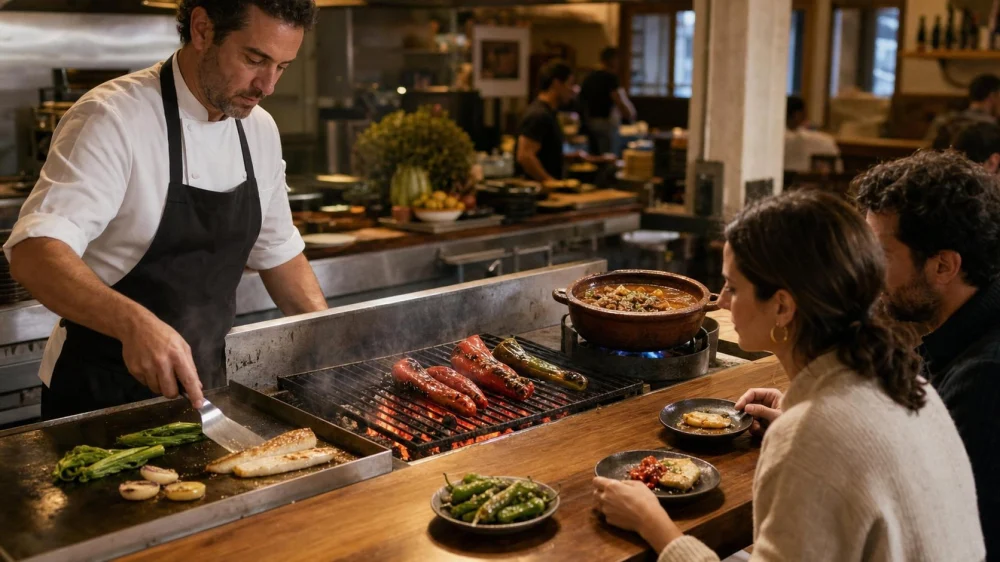
On a Spanish menu, a la plancha usually signals cooking on a hot flat surface, a la brasa means cooking over embers or charcoal, al horno means oven-cooked, and guisado describes a stewed preparation. These terms predict technique better than exact ingredients. Check the full description and ask about sauces, breading, doneness, allergens, and portion size before ordering.
A cooking-method term tells you how heat and moisture are applied to an ingredient. It can help predict browning, tenderness, sauce, and pacing, but it does not provide a complete recipe.
Griddle, grill, and oven terms
- A la plancha: Cooked on a hot flat griddle or metal surface, often with relatively little added liquid. Expect surface browning and a direct presentation, though oil and seasoning still vary.
- A la brasa: Cooked over glowing coals or embers. Expect char, smoke, and concentrated roasted flavor where the restaurant uses a live-fire setup.
- A la parrilla: Grilled on a grate. It can overlap with a la brasa, but the phrase emphasizes the grill method rather than guaranteeing a particular fuel.
- Al horno: Baked or roasted in an oven. Texture depends on the ingredient, temperature, vessel, sauce, and cooking time.
- Asado: Roasted; the word may describe oven roasting, spit roasting, or a broader roast preparation depending on the dish and region.
Stews, pots, and sauce-forward terms
- Guisado or guiso: Stewed or slowly cooked with seasonings and usually some liquid. Expect integrated flavors and a spoonable sauce or broth, but recipes differ widely.
- Cocido: Literally cooked or boiled; on a menu it often refers to a substantial regional stew or its components rather than any boiled food.
- Caldereta: A stew traditionally associated with a pot or cauldron; seafood and meat versions exist.
- En salsa: Served in sauce. Ask what the sauce contains because the phrase gives no flavor or allergen details.
- Al ajillo: Prepared with garlic, commonly with oil and sometimes chile or other seasonings. It does not guarantee a dairy-free or gluten-free dish.
Fried, marinated, and cold preparations
- Frito or fritura: Fried. Ask whether an item is battered, breaded, or cooked in a shared fryer.
- Rebozado: Coated in batter, flour, egg, or another coating before frying; the exact coating varies.
- Empanado: Breaded, usually with crumbs or a similar dry coating.
- En escabeche: Marinated or preserved in an acidic, seasoned mixture, often with oil, vinegar, aromatics, and spices.
- Curado: Cured or aged. It may describe ham, sausage, cheese, fish, or another ingredient and does not specify the full process.
- Ensaladilla: A small mixed salad, often bound with mayonnaise in familiar Spanish preparations; ask about ingredients.
Use cooking terms to build a better order
- Find the main ingredient. The same technique produces different results with fish, vegetables, meat, or mushrooms.
- Identify the heat-and-moisture pattern. Choose between crisp or charred, tender and saucy, or cool and marinated.
- Read the modifiers. Sauces, garnishes, preserved ingredients, and accompaniments may drive the flavor more than the cooking term.
- Balance the table. Combine one griddled or grilled dish, one saucy or stewed item, and a vegetable or cold plate instead of ordering several similar fried foods.
- Confirm the portion. A tapa, individual plate, and ración can differ substantially, and each restaurant defines its serving format.
Best for: predicting texture and creating contrast. Not sufficient for: confirming dietary suitability, exact doneness, authenticity, or ingredients.
Important notes about variation and allergens
Spanish cuisine includes many regional traditions. The same word can describe related but not identical preparations, and U.S. restaurants may translate or adapt terms. Treat the glossary as a question guide, not a rigid dictionary.
Cooking terms do not establish allergy safety. A griddled item may contact flour or shellfish; a stew may contain stock, wine, dairy, nuts, or gluten; fried items may share oil. Tell staff the specific allergen and ask about coatings, sauces, marinades, stock, garnishes, and cross-contact.
Evidence note: Spain's official tourism materials use al horno, guisado, and a la plancha for common fish preparations and a la brasa for ember-roasted foods, illustrating how technique words appear across regional cuisine. See the official overview of traditional Spanish dishes. Restaurant recipes and translations remain venue-specific.
Frequently asked questions
Is a la plancha the same as grilled?
Not exactly. It generally refers to a flat hot cooking surface, while a la parrilla refers to a grate. Both use direct dry heat and can create browning.
Does a la brasa always mean smoky?
It signals ember or charcoal cooking, but smoke intensity depends on fuel, equipment, distance, and cooking time.
Does al ajillo mean very spicy?
No. It emphasizes garlic. Some versions include chile, but heat varies; ask the restaurant.
What is the difference between a tapa and a ración?
A ración is generally a larger portion than a tapa, often suited to sharing. Exact sizes and prices vary by restaurant.
Next steps
Choose the texture you want first, then identify the ingredient, technique, sauce, and portion. Ask one targeted question about anything the menu leaves unclear. With those clues, Spanish terms become a practical way to create a varied meal instead of a vocabulary test.
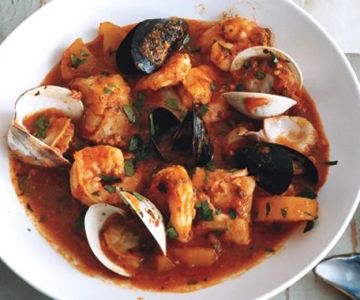
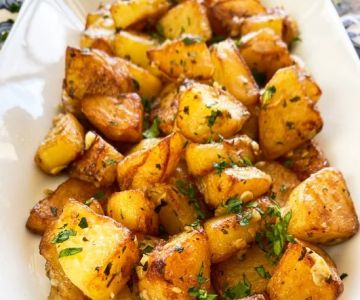
 Toro Kitchen + Bar4.0 (1151 reviews)
 Mir Tapas Lounge4.0 (85 reviews)
 Romeos Latin Grill3.0 (11 reviews)
 Flor De Sol4.0 (39 reviews)
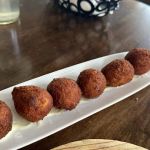 SER Restaurant4.0 (1007 reviews)
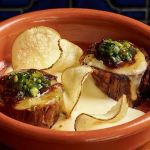 Bulla Gastrobar4.0 (12425 reviews)
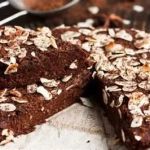 How to Make Spanish Tarta de Almendra y Chocolate: Almond and Chocolate Cake
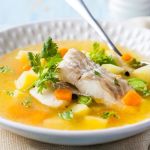 How to Make Spanish Sopa de Pescado: Traditional Fish Soup Recipe
 A Beginner’s Guide to Cooking Spanish Tortilla de Patatas
 Spanish Dinner Ideas for Cozy Evenings at Home
 The Best Spanish Restaurants in Dallas for Traditional Tapas Nights
 Spanish Tapas Recipes with Classic Ingredients for Authentic Flavor