1. Introduction: The Beauty of Traditional Spanish Rice Dishes
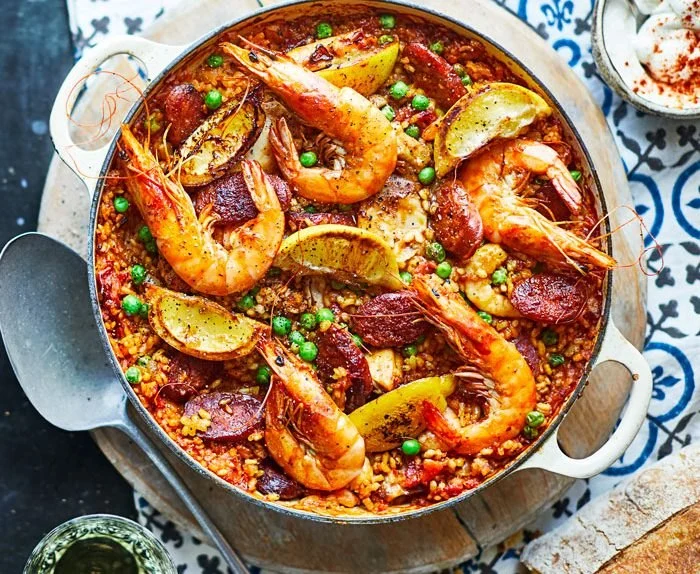
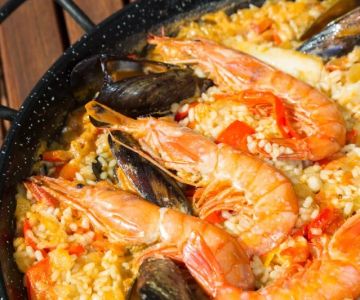
When you think of Spanish cuisine, one of the first dishes that comes to mind is paella. However, another equally cherished dish in Spain is Spanish rice with rabbit and snails, a hearty and flavorful meal that holds deep historical and cultural significance. Originating from the countryside of Spain, this dish highlights the combination of rice, rabbit, and snails, making it a true celebration of rustic Spanish ingredients.
In this article, we will explore the history, preparation, and variations of this traditional dish. We'll also provide a detailed recipe to guide you through the process of creating this culinary masterpiece in your own kitchen.
- 2. The Origins of Spanish Rice with Rabbit and Snails
- 3. Essential Ingredients for Traditional Spanish Rice with Rabbit and Snails
- 4. Step-by-Step Recipe for Spanish Rice with Rabbit and Snails
- 5. Tips for Perfecting the Dish
- 6. The Cultural Significance of the Dish in Spain
- 7. Where to Find the Best Spanish Ingredients
2. The Origins of Spanish Rice with Rabbit and Snails
This traditional dish has roots in rural Spain, where it was often prepared by farmers and shepherds using ingredients that were readily available to them. Rabbit, a common source of protein, was often raised on farms, and snails were a staple in the Mediterranean diet. The combination of these ingredients with rice is believed to have originated in the region of Valencia, known for its rice farming and culinary traditions.
The dish is a simple, yet flavorful expression of Spain’s rural cooking culture, designed to provide hearty nourishment while celebrating the natural bounty of the land. While paella has taken the spotlight internationally, this humble dish remains a beloved classic in Spanish households.
3. Essential Ingredients for Traditional Spanish Rice with Rabbit and Snails
The beauty of this dish lies in its simplicity. To make Spanish rice with rabbit and snails, you will need the following key ingredients:
- Rabbit: Tender rabbit meat adds a delicate, gamey flavor to the dish.
- Snails: Traditionally, escargots (land snails) are used, lending an earthy richness.
- Spanish Rice: Short-grain rice, such as Bomba rice, is ideal for absorbing the rich flavors of the broth.
- Vegetables: Onions, tomatoes, garlic, and bell peppers form the base of the dish, providing depth of flavor.
- Saffron: A pinch of saffron gives the rice a vibrant yellow color and a signature, aromatic flavor.
- Stock: A rich rabbit or chicken stock infuses the rice with a savory essence.
- Olive oil: Used for sautéing and providing richness to the dish.
These ingredients come together to create a comforting, flavorful meal that is perfect for family gatherings or special occasions.

4. Step-by-Step Recipe for Spanish Rice with Rabbit and Snails
Here is a simple and authentic recipe for preparing Spanish rice with rabbit and snails:
- Prepare the Ingredients: Chop the vegetables and set aside. Clean and rinse the snails, if using fresh ones.
- Sauté the Rabbit: In a large paella pan or wide skillet, heat some olive oil over medium heat. Add the rabbit pieces and brown them on all sides. Remove the rabbit and set aside.
- Cook the Vegetables: In the same pan, add the onions, garlic, and bell peppers. Sauté until softened, then add the tomatoes and cook until the mixture becomes a thick sauce.
- Add Rice and Stock: Add the rice to the pan, stirring to coat the grains in the aromatic vegetable mixture. Pour in the stock, making sure the rice is evenly covered. Season with saffron, salt, and pepper.
- Simmer: Return the rabbit pieces to the pan, along with the snails. Cover the pan and simmer on low heat for about 30-40 minutes, or until the rice is tender and the liquid has been absorbed.
- Rest and Serve: Let the dish rest for a few minutes before serving. This allows the flavors to meld together.
5. Tips for Perfecting the Dish
To achieve the best results when preparing this dish, consider the following tips:
- Use High-Quality Stock: Homemade rabbit or chicken stock will provide a richer, deeper flavor compared to store-bought varieties.
- Don’t Overcook the Rice: Ensure the rice is tender but not mushy. The perfect texture is crucial to achieving the authentic taste of this dish.
- Rest Before Serving: Allowing the dish to rest for a few minutes after cooking helps the flavors develop and the rice firm up.
6. The Cultural Significance of the Dish in Spain
Spanish rice with rabbit and snails is more than just a meal; it’s a reflection of Spain’s rural history and culinary traditions. In many parts of Spain, particularly in the region of Valencia, this dish is a symbol of local agriculture and the bond between people and the land.
The dish is typically enjoyed during family gatherings and festivals, offering a chance to connect with Spain’s rich gastronomic heritage. It serves as a reminder of the importance of simple, yet flavorful ingredients in creating a meal that brings people together.
7. Where to Find the Best Spanish Ingredients
To recreate this dish with the most authentic ingredients, you’ll need to source quality Spanish products. Look for specialty stores like Rubi Spanish Table that offer a wide variety of authentic Spanish ingredients, from Bomba rice to Spanish olive oil and saffron.
Alternatively, explore local farmers’ markets for fresh, local ingredients such as rabbit, snails, and vegetables. When sourcing these ingredients, the goal is to ensure freshness and authenticity, as these are key to achieving the best possible flavor.


 Maria's And Mix Kitchen4.0 (47 reviews)
 La Metro4.0 (43 reviews)
 Tapas Papa Frita4.0 (1388 reviews)
 Mir Tapas Lounge4.0 (85 reviews)
 Melany Restaurant4.0 (11 reviews)
 Mi pueblo Restaurant 24.0 (109 reviews)
 How to Make Spanish Piquillos con Chistorra: Piquillos with Chistorra
 How to Make Spanish Churros with Chocolate Sauce
 How to Make Spanish Croquetas de Jamón y Queso: Ham and Cheese Croquettes Recipe
 How to Make Spanish Croquetas de Espinacas y Queso: Step-by-Step Guide
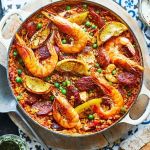 Traditional Spanish Rice with Rabbit and Snails: A Classic Spanish Dish
 How to Make Spanish Chistorra a la Miel: Chistorra with Honey Recipe