Boquerones Guide: Vinegar, Garlic, Bones, and Sharing
On this page
Quick answer
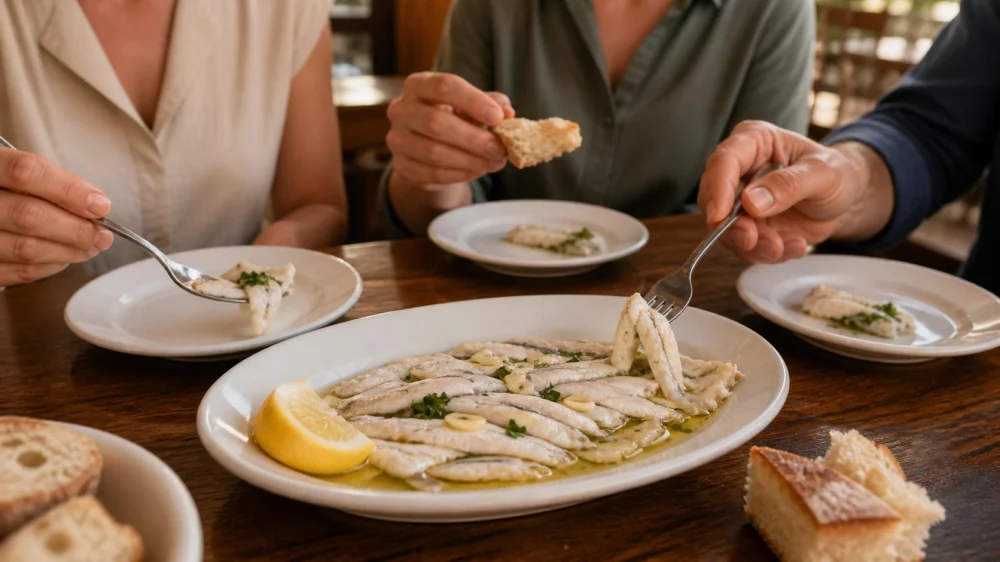
Boquerones commonly means pale anchovy fillets prepared with vinegar and served chilled with oil, garlic, herbs, or another house garnish. They differ from dark, intensely salty cured anchovies, but restaurant versions vary. Ask about the fish, preparation, fine bones, garnish, portion, bread, refrigeration, and cross-contact before ordering, especially when seafood allergy, pregnancy, or another medical restriction affects the decision.
Telefèric Barcelona Long Beach
Long BeachLos Angeles CountyCalifornia
6420 Pacific Coast Hwy Ste 160, Long Beach, CA 90803, USA
Why boquerones are not the same experience as salted anchovies
Both dishes may use small oily fish, yet curing and service produce different color, texture, acidity, salinity, and aroma. Boquerones are often pale, tender, tangy, garlicky, and cool, while salt-cured anchovies are usually darker and more concentrated. Recipes, fish source, treatment, garnishes, and storage vary, so the menu name should start a question rather than end it.
This guide is for United States diners considering boquerones at a Spanish restaurant. It offers ordering and sharing questions, not a recipe, food-safety inspection, parasite-control verification, nutrition calculation, allergy clearance, or pregnancy-specific medical advice. The restaurant must describe its current dish and handling.
Practical checklist
- Fish used and whether the dish is vinegar-marinated white anchovies, salt-cured anchovies, a mixed preparation, or a house variation.
- Vinegar intensity, garlic, olive oil, parsley, citrus, chiles, onions, olives, capers, bread, crackers, or other accompaniments.
- Cold service, preparation timing, refrigeration, and how long the plate should remain at the table before leftovers are cleared.
- Fine bones, skin, tail pieces, texture, salt level, and whether the kitchen can modify garnish without changing the prepared fish.
- Fish allergy and cross-contact through utensils, containers, cutting boards, oil, garnish stations, seafood displays, and shared plates.
- Portion count or weight, table size, bread quantity, other seafood or acidic dishes, and the intended place in the tapas sequence.
- Menu price, bread or accompaniment charges, happy-hour portion differences, service charges, and whether substitutions change cost.
Step-by-step plan
- Confirm that the menu item is the pale vinegar-style anchovy preparation you expect rather than a salt-cured anchovy plate.
- Ask what is already in the marinade and garnish, because garlic, herbs, oil, and acidity may not be removable after preparation.
- Disclose fish or other relevant allergies before ordering and ask the restaurant what it can verify about preparation and cross-contact.
- Ask about fine bones and texture, then choose a portion that suits the group and the number of other tapas already planned.
- Coordinate the chilled plate with hot dishes so it can be shared promptly rather than sitting through a long meal sequence.
- Serve onto individual plates with clean utensils, taste the fish with its garnish, and avoid using shared bread or forks when cross-contact matters.
- Ask staff to clear food that has remained out too long and follow individual medical guidance when pregnancy, immunity, sodium, or another restriction applies.
For a group, note the fish style, marinade and garnish, allergy disclosures, kitchen cross-contact limits, fine-bone guidance, portion and bread, price, serving sequence, and any personal medical restrictions. Use current staff information rather than assuming every restaurant follows the same preparation.
Limits and important notes
Vinegar flavor does not by itself prove a food-safety control, remove allergens, or guarantee parasite management. Visible bone removal cannot ensure a fillet is bone-free, and removing garlic or garnish at the table does not reverse marinade or cross-contact. Do not keep a chilled seafood plate at room temperature for an extended meal.
People who are pregnant, immunocompromised, on a medically restricted diet, or uncertain about a chilled fish preparation should follow their clinician's advice and the restaurant's verified handling information. For possible allergic symptoms, stop eating and follow the person's emergency plan; seek emergency help for breathing difficulty, throat swelling, faintness, or other severe symptoms.
Frequently asked questions
Are boquerones raw?
Preparation varies. Ask the restaurant to describe its exact fish treatment and handling rather than inferring safety from color or vinegar taste.
Are boquerones very salty?
They are often less concentrated than salt-cured anchovies, but salt varies by recipe, marinade, and garnish. Ask about the current plate.
Can boquerones contain bones?
Yes. Fillets may contain fine bones even after preparation, so eat carefully and ask the restaurant how the fish is handled.
Does the dish always include garlic?
No, but garlic is common and may already be in the marinade. Ask before ordering if it must be avoided.
What should I order with boquerones?
Bread and contrasting tapas can work well, but balance acidity, salt, seafood, and total portions according to the table's preferences.
Sources and evidence
Use the restaurant's current menu and staff for the exact fish, preparation, cold holding, ingredients, portion, and cross-contact practices. Follow current public-health guidance and individual clinician advice for higher-risk diners; a general restaurant guide cannot certify a particular kitchen or plate.
Conclusion and next steps
Confirm the fish style, marinade, garnish, bones, cold service, cross-contact limits, portion, bread, and price. Share the plate soon after it arrives, use clean serving utensils, and order only when the restaurant's answers fit the table's allergies, medical guidance, texture preferences, and meal plan.
 Comidas Criollas Algo Mas0.0 (0 reviews)
 Don Chuy Kitchen5.0 (24 reviews)
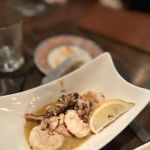 Cafe Sevilla of Long Beach4.0 (1408 reviews)
 La Cabra Boja0.0 (0 reviews)
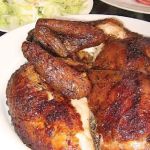 M & K Spanish Restaurant4.0 (147 reviews)
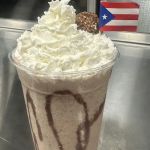 El Cacique Food Truck5.0 (3 reviews)
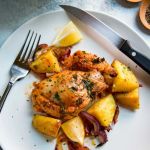 Spanish Chicken and Potatoes One Pan Recipe
 htmlCopy codeHow to Make Spanish Churros with Chocolate Sauce
 Spanish Tapas Recipes for Entertaining at Home
 How to Make Spanish Pollo a la Cerveza: Chicken with Beer
 The Best Spanish Food Markets in Bilbao for Local Delicacies
 Spanish Appetizers with Tapas Inspiration: A Flavorful Guide