
Pimientos de Padrón Guide: Heat, Salt, and Sharing
On this page
- Quick answer
- What pimientos de Padrón are
- Expect uneven heat
- Check blistering and doneness
- Adjust salt, oil, and accompaniments
- Share the plate comfortably
- Understand the name and origin claim
- Ask dietary and allergy questions
- Plan for takeout
- Ordering checklist
- Frequently asked questions
- Sources and evidence notes
- Conclusion and next steps
Quick answer
Order pimientos de Padrón as a shared plate of small green peppers, usually blistered in oil and finished with coarse salt. Heat can vary from pepper to pepper, so do not assume every piece is mild. Ask whether the stems remain, how salty and oily the house version is, and whether bread or another accompaniment is included. Eat the pepper body and leave the stem unless the restaurant says otherwise; let very hot peppers cool before tasting.
This guide describes common Spanish restaurant service in the United States. Pepper variety, origin, size, heat, cooking method, and seasoning can vary by supplier and kitchen.

Barcelona Wine Bar
NashvilleDavidson CountyTennessee
1200 Villa Pl Suite 110, Nashville, TN 37212, USA
What pimientos de Padrón are
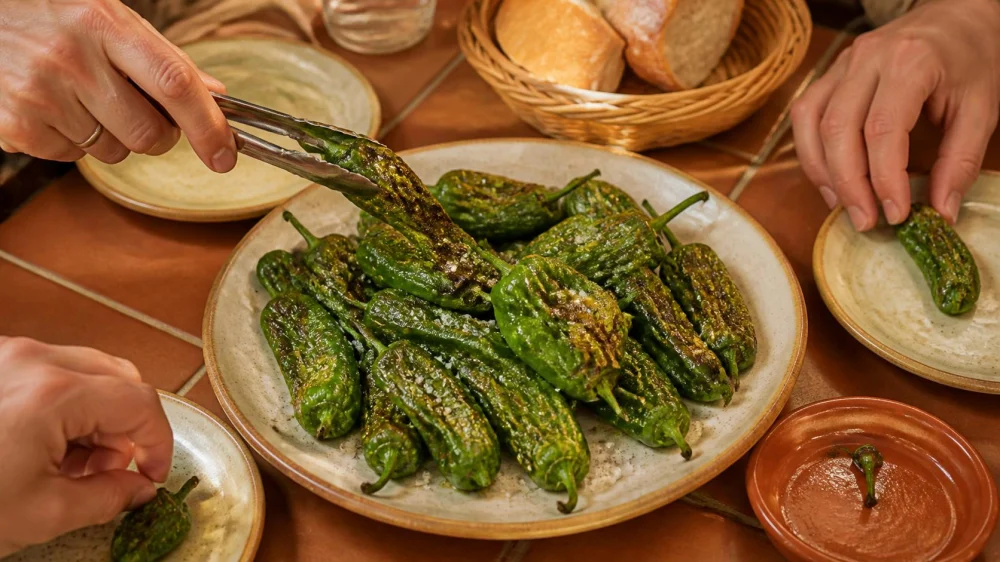
Pimientos de Padrón are small green peppers associated with Galicia in northwestern Spain and commonly cooked whole until blistered, then seasoned with coarse salt. On a US menu, the name may refer to the pepper variety, a Padrón-style preparation, or an origin-specific product.
The plate is valued for the contrast between tender flesh, charred or browned spots, oil, mineral salt, and occasional chile heat. It is usually served as a tapa or shareable starter rather than a complete meal.
Do not confuse them with long Italian frying peppers, jalapeños, shishitos, or roasted red piquillo peppers. Ask what the restaurant is serving if the menu is vague.
Expect uneven heat
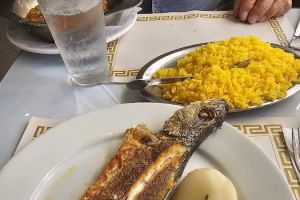
A plate may contain mostly mild peppers and one or more noticeably hot pieces. Appearance alone does not reliably identify the hotter pepper, and restaurant staff may not be able to predict it.
If you are sensitive to chile heat, take a small first bite and wait before eating the whole pepper. Keep water for hydration, but a dairy food or another substantial bite may feel more useful to some diners than water alone. Do not pressure another person to try a pepper.
Ask whether the kitchen has recently found the batch mild, mixed, or hot, but treat that answer as an observation rather than a guarantee.
Check blistering and doneness
Common preparations pan-fry, sauté, or griddle the whole peppers with oil. The skin may blister, wrinkle, and brown while the interior turns tender. Deep black patches can bring bitterness if the restaurant's style goes too far for your preference.
The pepper should be soft enough to bite cleanly but may retain slight firmness near the stem. Oil should coat rather than pool excessively, unless the house intentionally serves a richer version.
Let the plate rest briefly because the pepper's interior can hold steam and hot oil. Lift one by the stem, bite the body away from it, and set the stem on a side plate.
Adjust salt, oil, and accompaniments
Coarse salt is traditional in many presentations and gives concentrated bursts rather than uniform seasoning. If you prefer less, ask for light salt or salt on the side before cooking; removing crystals afterward may not undo salt already dissolved on the hot surface.
Bread can absorb flavorful oil, but it may not be included. Lemon, vinegar, garlic, aioli, cheese, cured meat, or other additions are restaurant variations rather than requirements.
Taste the standard preparation before adding table condiments. A strongly flavored sauce can hide the pepper's grassy, sweet, bitter, or hot differences.
Share the plate comfortably
Ask how many ounces or peppers typically arrive and whether the serving suits two, four, or more diners. Pepper size changes the count, so an approximate portion is more useful than a promised number.
Use serving tongs or a shared utensil when provided. Place discarded stems on a separate plate so they do not mix with uneaten peppers. Before taking the last few, ask whether others want more.
For a balanced tapas order, combine the peppers with a protein, a bread or potato dish, and another vegetable or salad according to the group. Avoid ordering several salty fried starters unless that is the intended meal.
Understand the name and origin claim
Padrón is strongly associated with Galicia, while the protected Spanish designation is Pemento de Herbón under specified production and labeling rules. A US restaurant using the familiar menu name does not automatically claim that every pepper carries that protected origin.
If origin matters, ask to see the supplier or package information available to the restaurant. Do not infer protected status from the dish title, green color, or serving style.
Origin and quality are separate questions. A locally grown Padrón-type pepper can be well prepared without being a protected-origin product.
Ask dietary and allergy questions
A basic plate may appear vegan and gluten-free, but cooking oil, shared fryer or griddle surfaces, sauces, garnishes, bread, and cross-contact can change that assessment.
Ask about wheat, milk, egg, soy, sesame, nuts, seafood, and any other relevant allergen in the cooking area and accompaniments. Tell the restaurant about an allergy before ordering rather than simply requesting “no sauce.”
For sodium or fat preferences, ask about salt and oil before preparation. The kitchen may be able to use a lighter finish, but cooking style and feasibility vary.
Plan for takeout
Steam trapped in a closed container softens blistered skins. Ask whether the restaurant uses vented packaging and can pack wet sauces separately. Do not request unsafe open packaging during transport.
Eat promptly for the best contrast. Follow the restaurant's storage and reheating instructions; reheating can intensify blistering, soften stems, and redistribute oil.
For delivery, keep stems and any hot oil in mind when opening the container. Open it level and away from the face.
Ordering checklist
- Whole peppers, a mixed tapa, or a garnish
- Current batch described as mild, mixed, or hot
- Pan-fried, sautéed, griddled, or house method
- Light, standard, or side salt when available
- Approximate portion and number of diners
- Bread, aioli, lemon, cheese, meat, or other accompaniments
- Cooking oil, allergens, and shared-equipment questions
- Protected origin information if that matters
- Vented packaging and separate sauce for takeout
Frequently asked questions
Are all Padrón peppers spicy?
No. Heat can vary within a plate. Ask about the current batch, then taste cautiously rather than expecting a guarantee.
Do you eat the stem?
The stem is commonly used as a handle and left uneaten. Bite the pepper body away from it and place the stem on a side plate.
Are Padrón peppers the same as shishitos?
No. They are distinct pepper types with similar small whole-pepper serving styles. A restaurant should identify which one it uses.
Are they always vegan?
Not automatically. Ask about cooking fat, sauces, garnish, and shared equipment even when the basic ingredients look plant-based.
Sources and evidence notes
Spain's official tourism portal identifies peppers from Padrón among notable Galician products and shows a common preparation in which the peppers are fried, drained, and seasoned with coarse salt. See the Spain tourism recipe using Padrón peppers and its overview of Galician cuisine.
The protected Spanish specification for Pemento de Herbón is more specific than a generic US menu name. Restaurant sourcing and current preparation must be confirmed directly.
Conclusion and next steps
Choose pimientos de Padrón when the table wants a simple shared vegetable with blistered texture, coarse salt, and an element of heat uncertainty. Confirm portion, cooking method, salt, oil, origin claim, and accompaniments. Taste cautiously, leave the stems, and order enough contrasting dishes to make the wider tapas meal work for everyone.


 Spanish Tavern4.0 (1408 reviews)
 Rachells La zacualpeñita4.0 (22 reviews)
 El Meson4.0 (1050 reviews)
 Taqueria Los Brothers4.0 (30 reviews)
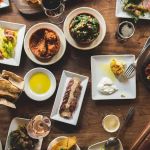 Barcelona Wine Bar4.0 (1640 reviews)
 El Gran Valle3.0 (25 reviews)
 Traditional Spanish Seafood with Olive Oil and Herbs: A Culinary Delight
 Spanish Appetizers with Fresh Seafood: A Culinary Guide
 Spanish Dinner Ideas with Mediterranean Diet Focus
 Spanish Party Tapas Ideas with Traditional Recipes for Authentic Gatherings
 Easy Spanish Pan con Tomate with Rustic Bread
 The Best Spanish Food Markets in Salamanca for Regional Specialties