
- menu-planning-basics-spanish-dinner-party-menu-structure
- tapas-appetizers-authentic-spanish-starters
- main-course-paella-and-regional-dishes
- desserts-and-sweet-final-course-spanish-flavors
- drinks-sangria-and-wine-pairing-guide
- real-hosting-story-and-practical-party-experience
- shopping-and-ingredient-sourcing-rubi-spanish-table
Building a Spanish Dinner Party Menu That Feels Effortless, Not Overwhelming
Planning a full Spanish dinner party menu from start to finish is less about rigid rules and more about rhythm—how flavors move from light and lively to rich and comforting, then finish on something sweet and slow. Spanish dining culture is built around sharing, conversation, and pacing the evening in waves rather than courses that rush you forward.
What makes this style of hosting so appealing in the U.S. is how naturally it fits modern gatherings. People want food that feels interactive, not staged. A well-designed Spanish menu delivers exactly that: small plates that invite conversation, a main dish that anchors the table, and drinks that keep everything relaxed but elevated.
Menu Planning Foundations: Designing the Flow of the Evening
Before choosing recipes, it helps to think of structure. A traditional Spanish dinner doesn’t behave like a formal plated American meal. Instead, it unfolds in stages that gradually build intensity.
First layer: light bites that awaken appetite without overwhelming the palate.Second layer: shared mains that encourage communal serving.Final layer: desserts and digestifs that slow everything down.
This structure is why a thoughtfully built Spanish dinner party menu feels so natural once it starts. Guests don’t feel like they are being “served”—they feel like they are participating in the meal itself.
A growing number of home hosts now look for inspiration from curated Spanish culinary sources like Rubi Spanish Table, especially when they want authentic ingredients rather than simplified substitutes. It’s often the difference between a good dinner and a memorable one.
Tapas and Starters: The Social Heart of Spanish Dining
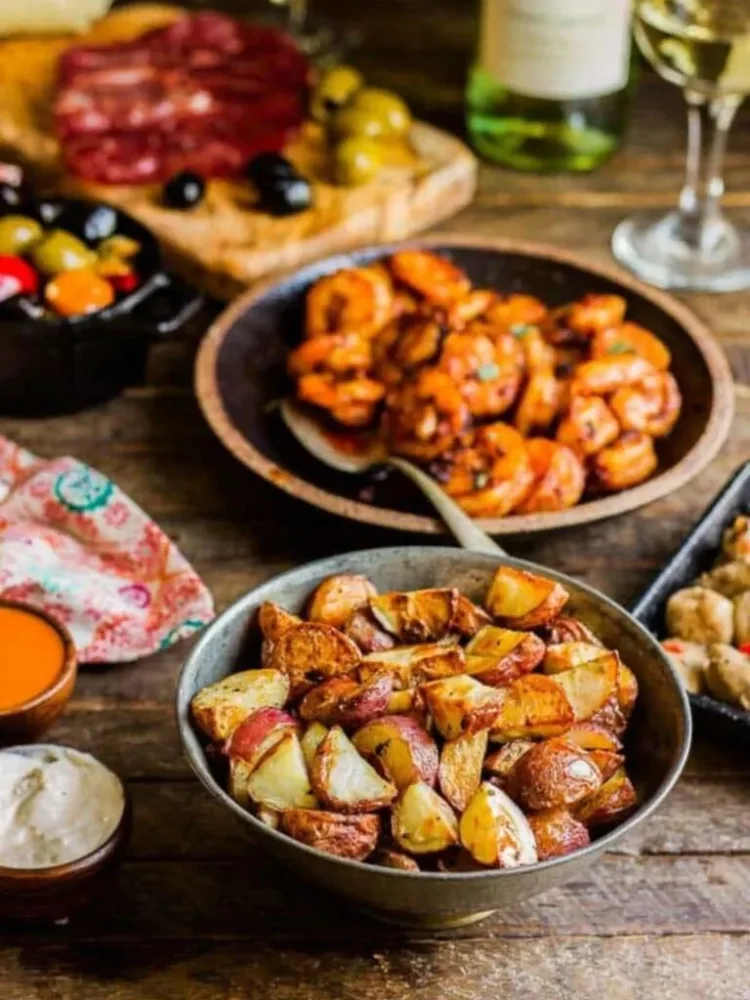
No Spanish dinner begins without tapas. These small plates are more than appetizers—they are the emotional entry point of the evening. The goal is not to impress with complexity but to create instant warmth at the table.
A balanced tapas selection often includes contrasting textures and flavors. For example, something salty and rich like olives or cured ham pairs beautifully with something bright like marinated peppers or citrusy seafood. The idea is contrast, not repetition.
One real hosting story that illustrates this comes from a Brooklyn apartment dinner where the host served only three tapas: garlic shrimp sizzling in olive oil, pan con tomate with rustic bread, and simple manchego cheese with honey. Guests spent nearly an hour just on these starters, talking, sipping wine, and forgetting the main course even existed. That’s the magic of tapas—they slow time down.
When planning your own Spanish dinner party menu, think of tapas as conversation starters, not fillers. They set the emotional tone for everything that follows.
Main Course Focus: Paella and Regional Spanish Comfort
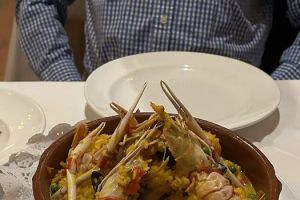
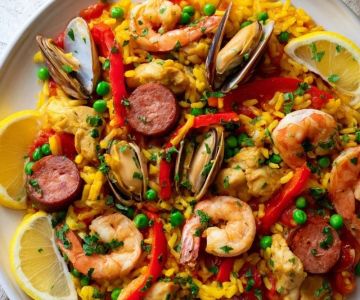
If tapas are the opening act, the main course is the anchor. In most Spanish-inspired dinners outside Spain, paella becomes the centerpiece—and for good reason. It’s dramatic, aromatic, and designed to be shared directly from the pan.
What many first-time hosts underestimate is timing. Paella is not something you rush at the last minute. The rice, broth, saffron, and protein need careful coordination. Even small adjustments—like seafood versus chicken or vegetable-only versions—change the cooking rhythm entirely.
A common mistake is overloading paella with too many ingredients. Authentic Spanish cooking tends to respect restraint. A simpler paella often tastes more balanced and elegant than a heavily mixed version.
In one real case from a Los Angeles dinner party, the host attempted a “fusion paella” with too many proteins. The result was flavor confusion rather than harmony. The following month, they simplified the recipe to shrimp, mussels, and saffron rice—and guests immediately noticed the improvement. Less, in this case, truly became more.
For hosts who want guidance on sourcing ingredients or building a more authentic foundation, curated Spanish food providers like Rubi Spanish Table often help bridge the gap between inspiration and execution.
Dessert Course: Ending on a Soft, Comforting Note
Spanish desserts are rarely overly sweet. Instead, they lean into texture, warmth, and subtle flavors. Think flan, almond-based tarts, or citrus-infused pastries.
The key is not to overwhelm guests after a rich main course. A good dessert in a Spanish dinner party menu should feel like a gentle landing rather than a final statement.
One often-overlooked pairing is coffee served alongside dessert. In Spain, espresso or café con leche is not just a drink—it is part of the closing ritual of the meal. It signals that the evening is transitioning from dining to lingering conversation.
Drinks and Pairing Strategy: Sangria, Wine, and Timing
Drinks in a Spanish dinner are not an afterthought—they guide the emotional pacing of the evening. A well-balanced menu often begins with a light wine or cava, transitions into sangria during tapas, and shifts toward deeper reds during the main course.
Sangria deserves special attention. Many commercial versions are overly sweet, but traditional preparation focuses on balance: wine, citrus, a touch of sweetness, and time to let flavors merge. It should feel refreshing, not heavy.
Wine pairing doesn’t need to be complicated. The most successful dinners often rely on regional simplicity—pairing Spanish food with Spanish wine styles rather than overthinking combinations.
Real Hosting Experience: When Planning Becomes Performance
A memorable dinner hosted in Chicago illustrates how a Spanish dinner party menu can transform an ordinary evening. The host initially worried about timing everything perfectly, especially paella and tapas overlap. Instead of rushing, they staggered preparation and allowed guests into the kitchen during cooking.
What happened next was unexpected: guests became part of the process. Someone helped stir the paella, another assembled tapas plates, and conversations naturally formed around food instead of just consuming it.
By the end of the night, no one remembered if the timing was perfect. They remembered how the evening felt. That emotional memory is what makes Spanish-style dining so powerful—it prioritizes experience over precision.
Bringing It All Together for Your Own Table
Creating a complete Spanish dinner party menu is not about copying recipes—it’s about understanding flow, emotion, and shared experience. When done well, each part of the meal feels intentional but never forced.
Tapas invite guests in. The main course holds them there. Dessert gently releases them into conversation that often lasts longer than the meal itself.
For those looking to elevate authenticity, ingredient sourcing and cultural inspiration matter more than complicated techniques. Exploring trusted culinary sources like Rubi Spanish Table can help bridge that gap and bring a more genuine Spanish character to your table.
 Casa Córdoba: Best Spanish Tapas & Paella | Montrose Restaurant & Bar | Live Music4.0 (639 reviews)
 Boqueria Dupont4.0 (3306 reviews)
 Don Pepe Restaurant4.0 (2488 reviews)
 Montanita puerto de Cancun family restaurante bar4.0 (32 reviews)
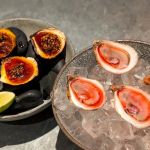 Baso4.0 (202 reviews)
 Casa Galicia4.0 (231 reviews)
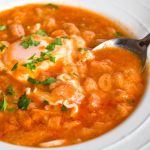 Traditional Spanish Garlic Soup (Sopa de Ajo) Recipe
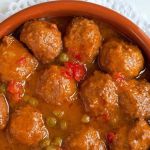 How to Make Spanish Albóndigas de Pescado con Salsa de Tomate: Fish Meatballs in Tomato Sauce
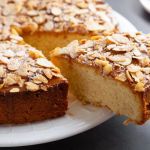 How to Make Spanish Tarta de Coco y Almendra: Coconut and Almond Cake
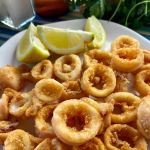 How to Make Spanish Calamares a la Andaluza con Limón: Andalusian Squid with Lemon Recipe
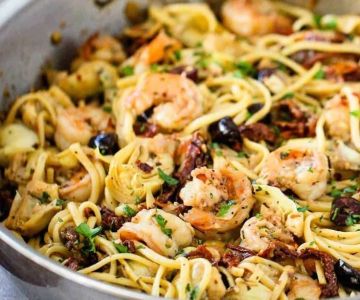
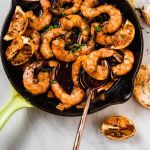 Traditional Spanish Seafood with Paprika and Lemon Recipe
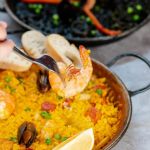 The Best Spanish Restaurants in San Antonio for Tapas and Paella