
Spanish Restaurant Fabada: Beans, Meats, and Portions
On this page
- Quick answer
- What fabada is
- Start with the beans and broth
- Understand the compango
- Check the restaurant's variation
- Plan a hearty portion
- Taste and combine each component
- Ask dietary and allergy questions
- Handle takeout and leftovers
- Ordering checklist
- Frequently asked questions
- Sources and evidence notes
- Conclusion and next steps
Quick answer
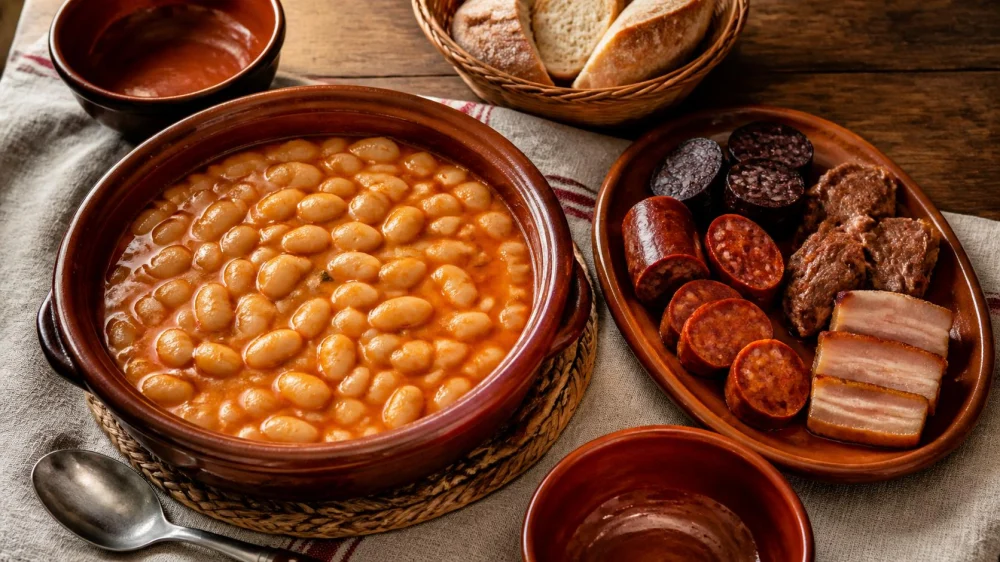
Fabada is an Asturian white-bean stew commonly cooked with a meat assortment called compango, often including chorizo, morcilla, cured pork shoulder, and pork belly or bacon. At a restaurant, ask which meats are in today's pot, whether they arrive in the bowl or on a separate plate, how large the portion is, and whether bread or another side is included. Expect a rich, substantial dish; share a pot or order lighter starters when the restaurant describes it as an entrée.
This guide helps US diners interpret a Spanish restaurant menu. Recipes vary across Asturian cooks and restaurants, and a menu may serve a traditional version, a seafood variation, a vegetarian adaptation, or another bean stew with a related name.

Sabroso+Sorbo
PhiladelphiaPhiladelphia CountyPennsylvania
21 N Juniper St, Philadelphia, PA 19107, USA
What fabada is
Fabada asturiana is a slow-cooked bean stew from Asturias in northern Spain, centered on tender white fabes and a savory assortment of pork sausages and cured meats.
The beans should remain whole enough to recognize while turning creamy inside. Their starch gives the broth body. Meat, smoke, paprika, salt, and fat season the pot as it cooks rather than functioning only as toppings.
Fabada differs from a generic white-bean soup through its Asturian identity, bean choice, compango, rich broth, and serving tradition. However, Spain's tourism authority notes that there is no single recipe and that chefs make variations.
Start with the beans and broth
Fabes are large white beans associated with Asturias. A menu may identify Faba Asturiana, fabes de la Granja, another white bean, or simply “Asturian-style beans.” If origin matters, ask whether the restaurant has protected IGP Faba Asturiana sourcing information.
A well-rested stew can have a cohesive silky broth without the beans being mashed. Thickness varies by recipe, cooking time, bean harvest, and reheating. Some versions are spoonable and brothy; others are dense enough to mound.
Taste the beans alone first. Check tenderness, salt, smoke, and paprika before combining every bite with meat or bread.
Understand the compango
Compango is the group of meats cooked with and served alongside the beans. Common components include:
- chorizo: paprika-seasoned pork sausage that can add smoke, spice, and red color;
- morcilla: blood sausage, often smoked or deeply seasoned;
- lacón: cured pork shoulder; and
- tocino or panceta: pork fat or belly that enriches the broth.
The restaurant may add rib, ear, trotter, ham, or another pork cut. Ask which pieces are included, whether bones or casing remain, and how the meat is portioned.
Check the restaurant's variation
Some kitchens place beans and meat in one bowl. Others serve the compango cut on a separate platter so diners can choose pieces. A tasting menu may offer a small cup, while a traditional restaurant may bring a cazuela for the table.
Seafood versions can pair fabes with clams, lobster, squid, or another catch. A vegetarian “fabada” may use smoked vegetables, mushrooms, paprika, or plant-based sausage. These are meaningful variations, not ingredient-equivalent copies.
Ask whether saffron, stock, potato, cabbage, garlic, or chile appears in the house version. Do not infer ingredients from broth color alone.
Plan a hearty portion
Beans plus several cured and fatty meats make fabada substantial. Ask whether the listed price is for a cup, bowl, individual entrée, or multi-person pot and whether refills are included.
For a group, pair one shared fabada with a fresh vegetable dish, simple salad, or lighter seafood plate rather than ordering several rich fried and cured-meat starters. Bread can be useful but adds volume.
If ordering individually, wait until you see the bowl before adding sides. Request a serving spoon and extra plates when sharing.
Taste and combine each component
Begin with a spoonful of beans and broth. Then combine a small piece of chorizo, morcilla, or pork with beans to see how each changes smoke, spice, salt, and richness.
Cut meats into manageable pieces and watch for bones, firm skin, ties, or casing. Do not assume every component is designed to be swallowed whole.
Allow a deep earthenware bowl to cool. The center and meat pieces may stay hotter than the rim suggests. Stir gently rather than crushing the beans.
Ask dietary and allergy questions
Traditional fabada is not vegetarian, vegan, halal, or kosher because the broth and compango use pork and blood sausage. A meat-free version needs confirmation of stock, cooking fat, seasonings, and shared equipment.
Potential allergens or sensitivities may involve milk, wheat, soy, mustard, celery, sulfites, or other ingredients in sausage, stock, seasoning, bread, and cross-contact. Cured meats can also contribute significant sodium.
Tell the restaurant about an allergy before ordering and ask staff to verify current labels and recipes. Removing visible meat does not remove meat broth, rendered fat, or dissolved ingredients.
Handle takeout and leftovers
Ask whether beans, broth, and compango can be packed in a leak-resistant container and whether meat pieces should remain separate. Carry the container upright and go directly to the eating or refrigeration location.
Follow the restaurant's storage and reheating instructions. Reheat the complete portion thoroughly as directed, stirring carefully so dense beans and large meat pieces warm evenly. Do not repeatedly cool and reheat the same container.
The broth may thicken in refrigeration as bean starch and fat set. Ask whether to add liquid during reheating rather than guessing and diluting the seasoning.
Ordering checklist
- Traditional pork fabada, seafood variation, vegetarian adaptation, or tasting portion
- Bean type and protected-origin claim if relevant
- Chorizo, morcilla, lacón, belly, bacon, and other included meats
- Meat in the bowl or served separately
- Bone, casing, skin, and cutting expectations
- Cup, individual bowl, or shared cazuela
- Bread, salad, vegetables, or other included sides
- Stock, cooking fat, allergens, sodium, and cross-contact questions
- Leak-resistant takeout and restaurant reheating directions
Frequently asked questions
Is fabada spicy?
It may have paprika warmth, pepper, or spicy sausage, but heat varies. Ask how the restaurant describes today's pot rather than assuming from its color.
Is morcilla required?
It is a common and important compango component in traditional versions, but chefs vary recipes. Ask for the actual meat list.
Is fabada the same as cassoulet?
No. Both are bean-and-meat dishes, but fabada is Asturian and commonly centers fabes and its specific compango, while cassoulet belongs to French culinary traditions.
Can I make the bowl vegetarian by removing the meat?
Not if the beans cooked with meat, stock, or rendered fat. Ask whether the restaurant makes a separate meat-free batch.
Sources and evidence notes
Spain's official tourism recipe describes fabada with fabes, chorizo, Asturian morcilla, pork shoulder, and bacon or pork belly, and notes that the compango may be presented separately. See the official fabada recipe.
The official overview of Asturian cuisine notes that fabada has no single fixed recipe and includes chef variations. Restaurant ingredients, portions, origin claims, and food-allergy practices still need direct confirmation.
Conclusion and next steps
Order fabada by checking the beans, compango, variation, and portion. Confirm every included meat, whether it comes separately, and whether the pot is meant for one diner or the table. Taste beans first, add small pieces of meat, and balance the meal with lighter dishes. Dietary restrictions require recipe-level questions because removing the visible pork does not change the broth.

 Fuentes Cafe3.0 (5 reviews)
 Addictive NYC4.0 (261 reviews)
 Café Salamanca4.0 (525 reviews)
 Amilinda4.0 (506 reviews)
 Boqueria Dupont4.0 (3306 reviews)
 Comidas Criollas Algo Mas0.0 (0 reviews)
 The Best Spanish Restaurants in Phoenix for Tapas and Paella
 Easy Spanish Churros in the Air Fryer | Quick and Delicious Recipe
 Discovering Regional Tapas Recipes Representing Spanish Culinary Diversity
 The Best Spanish Restaurants in Tampa: Top Spots for Authentic Flavors
 Pan con Tomate Guide: Order, Assemble, and Share
 How to Make Spanish Caldo Gallego: Hearty Galician Soup