
Spanish Restaurant Group Booking: Plan Sharing and Timing
On this page
Quick answer
Plan a Spanish restaurant group booking by confirming the guest count, table layout, menu format, sharing style, dietary needs, arrival pattern, meal length, and payment method. Ask how tapas, raciones, mains, and set menus are portioned at that restaurant instead of assuming a universal format. Put deposits, minimums, service charges, final-count deadlines, and course timing in writing.

Match the booking format to the group
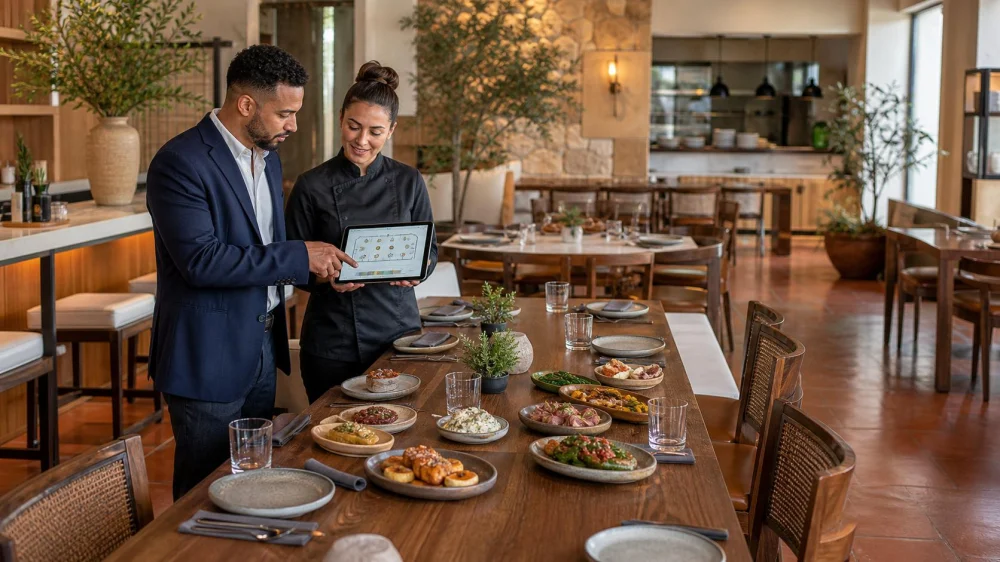
A Spanish restaurant group booking may use normal tables, a long shared table, several smaller tables, a private room, bar seating, patio seating, or partial venue space. Each setup changes conversation, sharing, access, and service.
Give the restaurant:
- expected adults, children, and any vendors or aides who need seats;
- the purpose and desired formality of the meal;
- whether everyone should converse as one group;
- mobility, hearing, sensory, highchair, service-animal, or seating needs;
- arrival range, planned start, speeches, gifts, cake, and departure time; and
- whether individual ordering or one organizer will make decisions.
Ask for an actual table diagram or photograph when layout matters. A stated capacity may not include comfortable server paths, mobility devices, bags, or space to share dishes.
Elba’s Deli & Restaurant Inc
BrookhavenDelaware CountyPennsylvania
2912 Edgmont Ave, Brookhaven, PA 19015, USA
Plan menu structure and sharing
Spanish dining terms can describe different portion sizes or service traditions, but restaurants use them differently. Ask how this menu distinguishes small bites, tapas, raciones, shared plates, mains, rice dishes, and set menus.
Choose a format:
- Chef-selected shared menu: easier pacing and broad variety, but requires clear dietary planning;
- Preselected group menu: the organizer chooses dishes and quantities before arrival;
- Individual set choices: useful when guests need predictable portions;
- Open ordering: flexible but can slow decisions and create uneven sharing; or
- Mixed format: shared starters followed by individual mains or another agreed sequence.
Ask the restaurant to recommend quantities for the exact table size and menu. Agree on how dishes will be divided among several tables and whether the kitchen will stagger or repeat plates.
Confirm dietary needs and cross-contact
Collect dietary questions early and send one organized list. Confirm ingredients and preparation for the actual group menu, including stocks, sauces, marinades, frying oil, garnishes, shared cutting surfaces, and serving utensils.
Do not treat a dish name or broad label as a complete ingredient statement. Seafood, nuts, dairy, egg, gluten, pork, alcohol, and other ingredients can appear in sauces, fillings, broths, desserts, or shared preparation.
Ask whether an individual plate or separately handled course is safer and clearer than adapting a communal dish. Label special meals and identify the recipient at service. A diner with a severe allergy should evaluate the restaurant's cross-contact explanation using their medical guidance.
Set timing, costs, and change rules
Record reservation start, seating grace period, order cutoff, course schedule, rice or other advance-order timing, table duration, and final service. If guests arrive gradually, decide whether food starts on time or waits for a named person.
Confirm:
- deposit, cancellation, no-show, and final-count deadlines;
- per-person price, food-and-beverage minimum, room fee, or table charge;
- tax, service charge, gratuity, cake fee, corkage, and equipment fees;
- how children, non-diners, and late additions are charged;
- whether beverages are hosted, limited, or individual;
- whether guests can split bills and by what method; and
- how lower attendance, substitutions, and overtime affect cost.
Do not assume a service charge is a tip. Ask the restaurant to explain how each charge is handled.
Use a group-booking checklist
- Send a one-page brief. Include count, purpose, layout, timing, and access.
- Choose the service format. Shared, set, individual, open, or mixed.
- Confirm portions and table distribution.
- Resolve dietary needs. Record safe options and cross-contact limits.
- Calculate complete cost. Include minimums and every added charge.
- List deadlines. Deposit, cancellation, menu, count, and payment.
- Name decision-makers. Give the restaurant one organizer and the group one onsite contact.
- Reconfirm the final order. Match count, tables, menu, dietary plan, and schedule.
Limitations and important notes
- Restaurant, event, accessibility, alcohol, food-safety, tax, service-charge, and cancellation rules vary across the United States.
- This article provides general dining and event-planning guidance, not legal, medical, tax, or food-allergy advice.
- Do not exceed approved occupancy or block service and emergency routes with extra chairs or belongings.
- Ask permission before bringing outside food, decorations, candles, audiovisual equipment, or a photographer.
- Follow the restaurant's current food-holding and allergy procedures rather than a generic group plan.
Frequently asked questions
How many tapas should I order per person?
Ask the restaurant based on its portion sizes, menu, course mix, group, and meal length. Generic counts may not fit the establishment.
Should one person order for the whole table?
One organizer can reduce confusion, but collect dietary needs and preferences first. Confirm changes with the group before the final deadline.
Can a group split the bill?
Only if the restaurant's policy and system allow it. Ask before booking and agree on number of checks, payment methods, and service charges.
What if several guests arrive late?
Set an arrival cutoff and ask how late seating affects course timing, table duration, no-show charges, and food quality.
Is a set menu less flexible for allergies?
It can be easier to verify when options are planned in advance, but only the restaurant can explain ingredients and cross-contact for the specific dishes.
Conclusion and next steps
Send the restaurant a clear group brief, choose one ordering structure, and verify how its portions and service actually work. Put the layout, menu, dietary plan, course timing, costs, and deadlines into one confirmation. Good group dining depends on shared expectations before shared plates arrive.
Evidence note: These recommendations reflect common restaurant-group, event-logistics, shared-service, accessibility, payment, and food-allergy practices. The written booking, current menu facts, professional guidance, and applicable rules control a specific event.



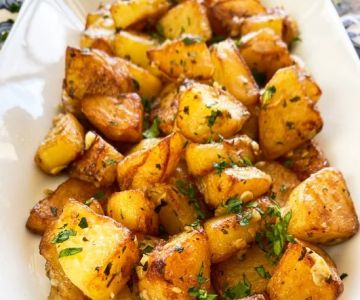
 El Botero Tapas + Wine Bar4.0 (311 reviews)
 El Quijote4.0 (551 reviews)
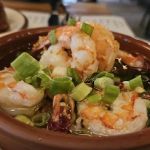 Barcelona Wine Bar4.0 (1027 reviews)
 My Friend Convenience Store & Restaurant4.0 (127 reviews)
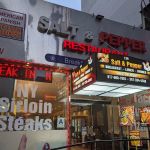 Salt & Pepper3.0 (668 reviews)
 Café Salamanca4.0 (525 reviews)
 How to Make Spanish Empanadas at Home
 Easy Spanish Paella in a Cast Iron Skillet Recipe Guide
 The Best Spanish Restaurants in Indianapolis
 Authentic Spanish Shrimp and Garlic Sauce Recipe for Home Cooking
 How to Make Spanish Tortas de Aceite at Home: Traditional Recipe
 The Best Spanish Restaurants in Houston for Tapas and Family-Friendly Dining