
Spanish Conservas at a Restaurant: Seafood, Packing Liquid, and Sharing
On this page
Quick answer
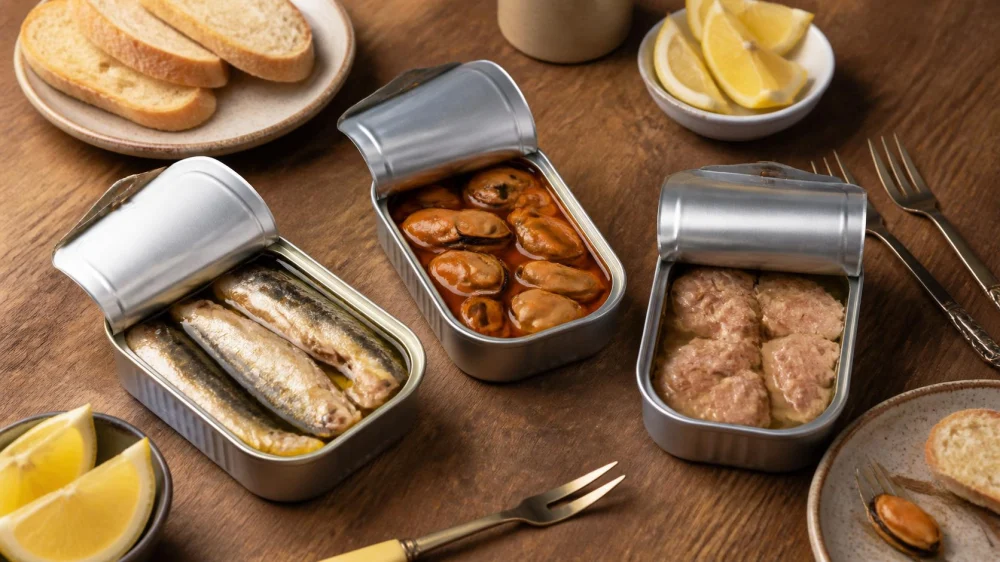
At a Spanish restaurant in the United States, conservas usually refers to preserved foods, often premium canned fish or shellfish served as an aperitivo or small plate. Ask which species is included, whether the product is packed in olive oil, brine, natural juices, sauce, or escabeche, how many pieces the order contains, and whether bread, crackers, pickles, or other accompaniments are included.
Preserved does not mean one flavor or texture. The seafood, cut, packing medium, seasoning, and service temperature all shape the dish.
Alegria Dominicana Restaurant
New YorkNew York CountyNew York
3920 Broadway #63, New York, NY 10032, USA
Understand what conservas means
Spanish conservas can include sardines, mackerel, tuna, mussels, cockles, clams, squid, cuttlefish, octopus, vegetables, and other preserved products. Some arrive in their tin as part of the presentation; others are plated with their liquid or sauce.
- Ask whether the menu item is one tin, one plate, or a tasting selection.
- Confirm whether the listed name refers to a species, cut, or preparation.
- Ask whether it is served chilled, at room temperature, or warmed.
- Check whether opening or plating occurs in the kitchen.
- Do not assume every conserva is canned seafood.
Choose the seafood and texture
Sardines and mackerel can be rich and firm; tuna may be flaky or dense depending on the cut; mussels and cockles can be tender and briny; squid or octopus can be firmer. Product quality and preparation create wide variation, so describe the texture and intensity you prefer.
Ask whether fish is served whole, filleted, skin-on, or bone-in. Small bones, shells, and hard pieces may remain even in carefully prepared products.
Compare oil, brine, sauce, and escabeche
Olive oil adds richness and carries flavor. Brine or natural juices can emphasize salinity and the seafood itself. Tomato, squid ink, garlic, pepper, or other sauces create a more composed bite. Escabeche introduces vinegar, oil, aromatics, and seasoning for a tangy profile.
Ask whether the packing liquid is intended for dipping. It may be delicious but can also be salty, acidic, or rich, so taste a small amount first.
Check portion and presentation
Tin dimensions do not reveal the number or size of pieces. A premium cut can be a small, focused plate rather than a full appetizer for several diners. Ask for a piece count or practical sharing estimate and whether accompaniments must be ordered separately.
- Choose one mild and one assertive product for comparison.
- Add plain bread or crackers when available.
- Include a bright or pickled accompaniment.
- Order fewer tins first, then add another if the table wants more.
- Keep the total meal in mind because oil and bread add substance.
Share neatly at the table
Use the provided fork, spoon, tongs, or serving utensil. Tins can have sharp rims, and packing oil can drip, so do not lift or pass the container unless staff indicates it is safe. Transfer a small portion to your plate and keep bread crumbs out of shared liquid.
Ask before taking the last piece and let staff remove an empty tin.
Ask about allergens and ingredients
Fish and shellfish are major allergens, and sauces or accompaniments may contain wheat, milk, egg, soy, sesame, nuts, alcohol, or other ingredients. Shared utensils and plating areas can create cross-contact. Sodium can also vary substantially by product.
State allergies and dietary needs before ordering. Ask the restaurant what it can verify from the package and kitchen handling.
Important limitations
This is general U.S. restaurant guidance. Spanish conservas vary by region, producer, species, season, recipe, and restaurant presentation. Follow the current package and restaurant information, and qualified medical guidance for allergies or dietary conditions.
Evidence notes
Foods and Wines from Spain describes conservas as fish and shellfish preserved in media such as brine, oil, or escabeche and served as aperitivo items or ingredients. The ordering checklist focuses on the variables diners can confirm: product, packing medium, portion, accompaniments, and safe sharing.
FAQ
Are conservas just ordinary canned tuna?
No. The category includes many fish, shellfish, vegetables, cuts, and preparations.
Should I eat the packing liquid?
Ask whether it is intended for dipping, then taste a small amount.
Are all conservas served cold?
No. They may be chilled, room temperature, or warmed.
How many tins should a group order?
Ask about piece count and start with a small comparison rather than a fixed number.
Can preserved seafood contain bones or shells?
Yes. Ask about preparation and eat carefully.
Next steps
Choose a species and texture, confirm the packing medium, piece count, temperature, and included bread, then state dietary needs. Taste each product on its own before adding sauce or accompaniments.

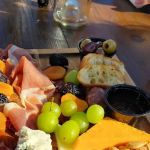 Gaspar’s Restaurant4.0 (20 reviews)
 Sala Astoria4.0 (333 reviews)
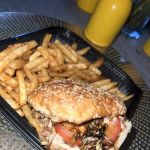 Bacaneria y Sazon4.0 (37 reviews)
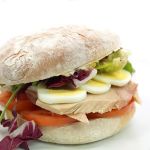 Tia Pepa4.0 (88 reviews)
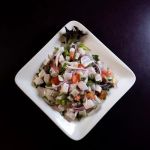 Guardado's Restaurant4.0 (434 reviews)
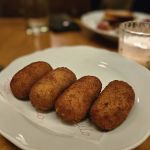 Txikito4.0 (529 reviews)
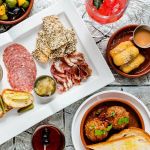 The Best Spanish Restaurants in Nashville, Tennessee for Tapas Lovers
 The Secret to Perfectly Grilled Spanish Chorizo: Tips and Techniques
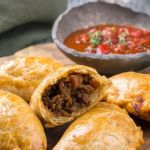 How to Make Spanish Empanadas at Home
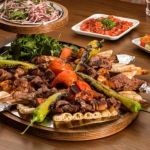 Best Spanish Restaurants in Charlotte for Mediterranean Cuisine
 How to Make Spanish Arroz con Pollo y Verduras: Chicken and Vegetable Paella
 Traditional Spanish Seafood Pasta Recipe for Authentic Flavor