
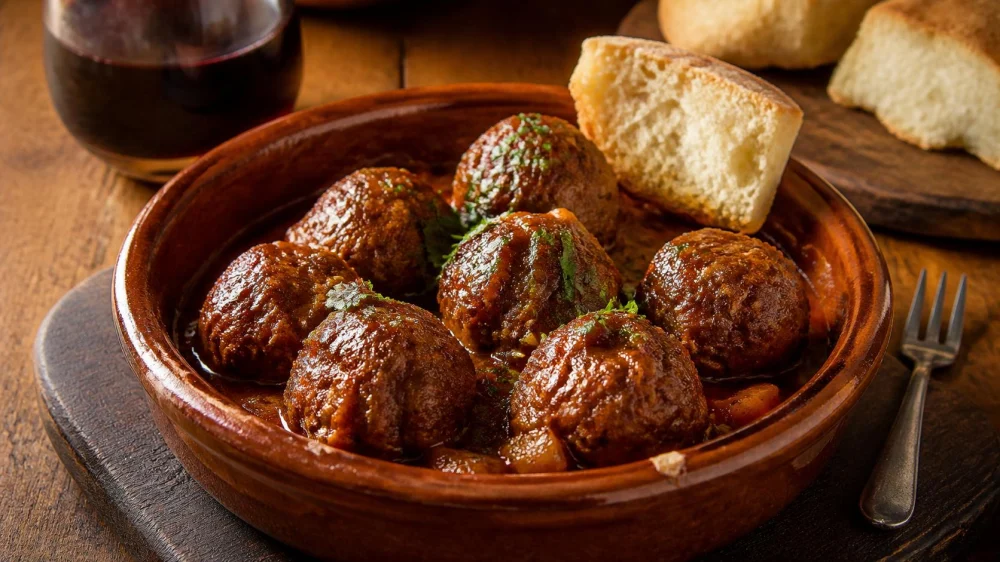
Spanish Albondigas: Compare Sauce, Meat, and Portion
Table of contents
Quick answer
Albondigas are meatballs, but a Spanish restaurant's version may use beef, pork, lamb, another protein, or a blend, served in tomato, wine, almond, or another house sauce. Ask which meat and binder are used, how many pieces arrive, whether the dish is tapas or entrée size, and what bread or side is included. Check allergens in both meatballs and sauce.

Paella Tapas Wine Bar Restaurant
NorwalkWestern Connecticut Planning RegionConnecticut
44-46 Main St, Norwalk, CT 06851, USA
What the name covers
“Albondigas” identifies a broad meatball category rather than one fixed recipe. Spanish regional and household preparations vary, and restaurants adapt them to local ingredients and menu format. The same menu name can describe small cocktail-size meatballs in a tapas bar, larger meatballs in sauce, or a full plate with potatoes, rice, or vegetables.
The meat may be beef, pork, lamb, chicken, or a blend. Breadcrumbs, egg, milk, herbs, garlic, onion, and spices can affect tenderness and flavor. A soft meatball is not necessarily undercooked; mixture, grinding, and braising method influence texture. If doneness concerns you, ask staff rather than judging only by color.
Some restaurants form meatballs in-house; others may use a supplier. “Homemade” and “house-made” are not standardized promises. Ask about the ingredients and character that matter to your order.
Menu accents may appear as albóndigas, while English menus often omit the accent. The spelling difference does not predict style. Look at the description and ask how the kitchen serves the dish.

Compare sauce and filling
A tomato-based sauce may be bright, sweet, smoky, or slowly cooked. Wine-based sauces can taste savory and aromatic. Almond or other nut-thickened sauces add body and distinct allergen considerations. Some versions use broth, saffron, peas, mushrooms, or vegetables.
Ask whether the sauce is mild, spicy, or strongly seasoned. Paprika does not always mean chile heat; sweet and smoked varieties create different effects. Taste before adding table salt or hot sauce.
Meatball binders deserve attention for dietary needs. Breadcrumbs may contain wheat; milk or cheese can add dairy; egg is common; sauces can contain stock, wine, nuts, or flour. A gluten-free-sounding sauce does not make the meatball gluten-free. The restaurant must verify the full current recipe and cross-contact procedures.
Guests avoiding alcohol should ask how the sauce is made rather than assuming cooking removes every concern. Personal, religious, and medical standards differ. The kitchen can explain whether wine or another alcoholic ingredient is present, but individualized medical advice belongs with a clinician.
Choose the portion
Count, diameter, and sides determine portion better than the label “tapa.” One order might contain three large meatballs; another may have six small ones. Ask for the approximate count and whether they are intended for sharing.
Check what the price includes. Bread may be automatic, charged separately, or absent. An entrée may include potatoes or rice, while a tapas portion may consist only of meatballs and sauce. If bread refills cost extra, knowing before ordering prevents surprises.
For a table sampling several dishes, start with one order and divide the count mentally. If every diner wants more than a taste, order a second portion while the first is hot. For a main meal, ask whether the entrée size changes meatball count, sides, or only plate presentation.
Children and spice-sensitive diners may prefer sauce on the side if the kitchen can accommodate it. However, meatballs often finish cooking in sauce, so a completely plain version may be a different preparation and not available.
Share and pair
Use the provided serving spoon or fork and place one meatball with sauce on a personal plate. Cutting a large meatball in the shared dish can splash sauce and make portions uneven. Ask for a knife and divide it on your plate.
Balance a rich meatball dish with vegetables, salad, olives, or a lighter seafood preparation. If the sauce is the highlight, order bread or a neutral starch. Several tomato-sauced dishes may be repetitive even when their main ingredients differ.
Move from mild to strong flavors when tasting a broad spread. Cheese, cured meats, smoked paprika, garlic, and rich sauces can overwhelm more delicate dishes. There is no required sequence, but deliberate pacing helps each item remain distinct.
Keep allergy-specific servings separate and use clean utensils. Shared tapas tables create many opportunities for sauce and crumbs to travel between dishes. Tell staff about an allergy before ordering, not after the platter arrives.
Takeout and leftovers
Albondigas often travel better than crisp tapas because sauce protects moisture, but meatballs can continue softening during transit. Ask for bread separately so it does not become soggy. Keep hot and cold components separated as the restaurant recommends.
Refrigerate leftovers promptly under current food-safety guidance. Store in a shallow sealed container when appropriate and follow restaurant instructions. Reheat the meatballs and sauce thoroughly using suitable cookware; stir or turn pieces so heat is distributed.
Do not repeatedly warm and cool the dish. Garlic, spice, and tomato aromas are not reliable indicators of safe storage. If the food's handling time is uncertain, discard rather than tasting to test it.
Limitations
Spanish albondigas vary by region, family, and restaurant. This guide does not define one authentic sauce, meat blend, size, or side. US restaurants may combine Spanish inspiration with local service styles.
This is general dining guidance, not allergy, medical, or nutrition advice. Confirm ingredients, cooking, cross-contact, and handling directly with the restaurant. Follow individualized professional advice for medically required diets.
Sources and evidence
Spain's official tourism portal emphasizes the regional variety of Spanish cuisine and the coexistence of traditional and creative restaurant cooking. This supports treating the restaurant's description—not a single universal formula—as the source for a particular albondigas dish.
- Spain tourism: explore Spanish food and wine
- Spain tourism: facts about Spanish cuisine and dining culture
Frequently asked questions
Are Spanish albondigas always made with beef?
No. Beef, pork, lamb, poultry, and blends are possible. Ask which meat the current menu uses.
Are albondigas spicy?
They can be mild or spicy depending on chile, paprika, and sauce. Ask the restaurant to describe the heat.
Do meatballs contain breadcrumbs?
Many do, but recipes vary. Binders can include wheat, egg, dairy, or alternatives. Confirm the complete ingredient list for dietary needs.
Is the sauce always tomato-based?
No. Tomato is common, but wine, broth, almond, vegetable, or other sauces may be used. Read the menu description.
How many people does one tapa serve?
Ask for the count and size. A small order may provide tastes for several diners but not a full serving for each.
Are albondigas good for takeout?
They generally retain moisture in sauce, though texture changes. Keep bread separate, reduce travel time, and follow storage and reheating guidance.
Conclusion
A confident albondigas order begins with specifics: meat, binder, sauce, heat, count, and sides. Compare the plate with the rest of your tapas, reserve bread for the sauce, and share with clean utensils. Because recipes are diverse, a short question to staff is more useful than expecting every Spanish meatball dish to match.

 Antojitos Latinos4.0 (47 reviews)
 Mir Tapas Lounge4.0 (85 reviews)
 Comedor Latino3.0 (273 reviews)
 Asador Bastian4.0 (388 reviews)
 Txikito4.0 (529 reviews)
 Chucherias Fine Dining4.0 (929 reviews)
 The Best Spanish Food Markets in Murcia
 Spanish Tapas Recipes with Meat and Seafood: A Delicious Guide
 How to Make Spanish Merluza a la Plancha: Grilled Hake
 Traditional Spanish Desserts You Can Make at Home
 The Best Spanish Restaurants in Orlando for Tapas and Mediterranean Flavors
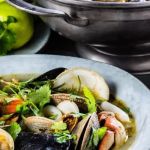 Traditional Spanish Seafood with Slow Simmered Broth