
Gambas al Ajillo: Choose Garlic, Heat, Bread, and Portion
Table of contents
Quick answer
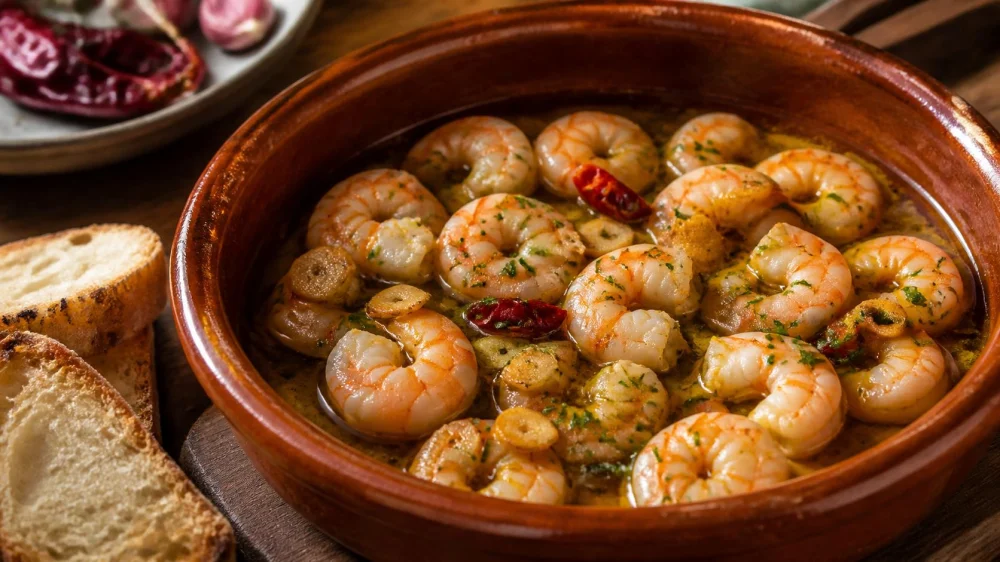
Gambas al ajillo is generally a hot shrimp dish built around garlic and olive oil, often with chile and parsley. Ask whether shrimp are peeled, how spicy the dish is, whether it arrives sizzling, how many people the portion serves, and whether bread is included. Let the oil and serving vessel cool, share with clean utensils, and order enough bread or another neutral side for the sauce.
Nonna's Empanadas - Original Farmers Market
Los AngelesLos Angeles CountyCalifornia
6333 W 3rd St, Los Angeles, CA 90036, USA
What to expect
The name translates broadly to shrimp with garlic, but restaurant versions vary. Some use small shrimp that cook quickly and absorb the seasoned oil; others feature larger prawns. The shrimp may be fully peeled, tail-on, or served with more shell. Garlic can be sliced, minced, crushed, or browned. Chile may provide a faint warmth or a direct spicy kick.
The dish often arrives in a small earthenware vessel or metal pan that retains heat. Oil may continue to bubble after it reaches the table. This presentation is part of the appeal, but it requires patience. The container, oil, and shrimp can remain hot after visible sizzling slows.
Parsley, lemon, paprika, sherry, or other restaurant touches may appear. These additions do not make the dish automatically better or worse; they change brightness, aroma, and depth. If you want a particular style, ask how the house version is prepared rather than expecting one universal recipe.
In a tapas setting, gambas al ajillo may be one small shared plate among many. At another restaurant, it may be an appetizer sized for two or a larger entrée with sides. Price alone does not reveal count or shrimp size.
Jaleo
Boulevard Tower, 3708 Las Vegas Blvd S Level 3, Las Vegas, NV 89109, USA
Compare the details
Start with shell format. Peeled shrimp are easy to spear and share, while shell-on prawns can have a different flavor and texture but require hands-on eating. Tail-on shrimp sit between the two. If shells are present, ask for a discard bowl and extra napkins.
Ask how the restaurant describes the garlic. Thin slices can become sweet and golden but may turn bitter if deeply browned. Minced garlic disperses through the oil and creates a stronger bite. Whole cloves or crushed garlic create another texture. Guests who are sensitive to intense garlic should not assume it can simply be removed from a prepared sauce.
Heat level comes from the chile type, amount, and whether pieces remain in the oil. A dish labeled “mild” can still feel hot to a sensitive diner. Ask whether chile can be reduced or served separately. Once chile has flavored hot oil, removing the visible piece will not remove all heat.
Acidity changes the balance. Lemon may be served as a wedge so each diner controls it. Sherry or another ingredient may be cooked into the sauce. Taste the oil with bread before adding more acid or salt.
Order for the table
Ask for the approximate shrimp count and serving estimate. For a group ordering several tapas, one portion may provide a taste for two to four people, but restaurant sizes differ. If this is the table's main protein, more may be needed.
Balance the menu. Garlic shrimp is rich in oil and intense aroma. Pair it with a crisp salad, vegetable dish, simple bread, or less oily preparation. Ordering several garlic-heavy or fried plates at once can make individual flavors harder to distinguish.
Confirm bread service. Some restaurants include it, some charge per basket, and some serve a specific toasted bread. The oil is often a central part of the dish, so too little bread can leave the portion feeling incomplete. Do not assume refills are free.
For an allergy, ask about crustacean shellfish, shared cooking equipment, bread ingredients, and sauce components. A garlic allergy or intolerance also needs direct discussion. Removing shrimp from the oil does not make the sauce safe for someone avoiding shellfish.
Eat and share safely
Let staff place the hot vessel and identify which parts should not be touched. Keep handles away from children and outside the edge of the table. Do not move a sizzling dish with a cloth napkin that could slip or ignite.
Transfer one shrimp to a personal plate and allow it to cool. Hot oil clings to the surface and can burn even when the shrimp looks ready. Tear or cut bread into manageable pieces before dipping so hands remain away from the vessel.
Use the shared utensil rather than reaching repeatedly with personal forks. Keep allergy-specific food and utensils separate. If shell-on shrimp are served, avoid splashing oil while peeling and use the provided bowl for shells.
Watch the table as plates shift. A small hot cazuela can become hidden among larger dishes. Ask staff to remove it once the table is finished instead of stacking another plate on top.
Takeout considerations
Takeout changes texture and temperature. Shrimp can continue cooking in hot oil, becoming firmer during travel. Bread can soften if packed with steam. Ask for bread separately and minimize transport time.
Follow restaurant storage and reheating directions. Transfer food from packaging that is not explicitly microwave- or oven-safe. Reheat seafood safely without repeatedly warming and cooling it. Oil can become extremely hot and may splatter, so use a suitable covered method and cautious portions.
Refrigerate leftovers promptly under current food-safety guidance. Do not judge seafood safety from garlic aroma, which can mask other smells. When handling history is uncertain, discard rather than tasting to test.
Limitations
Spanish cooking is regional and restaurant interpretations vary in the United States and Spain. This guide cannot specify the only correct shrimp size, chile, garlic technique, vessel, or serving style. Ask the restaurant about its current dish.
This is general dining information, not allergy, medical, or nutrition advice. Ingredient, cross-contact, safe-handling, and storage questions must be confirmed with the restaurant and appropriate health professionals.
Sources and evidence
Spain's official tourism portal presents Spanish cuisine as diverse across regions and identifies gambas al ajillo as a dish associated with dining in Málaga. These references support cultural context, while each restaurant remains the source for its actual recipe.
- Spain tourism: Spanish cuisine and gastronomy
- Spain tourism: Málaga guide mentioning gambas al ajillo
Frequently asked questions
Are gambas al ajillo always spicy?
No. Some versions use enough chile for clear heat; others are only gently warm. Ask the restaurant and request chile on the side when possible.
Are the shrimp peeled?
Often, but not always. They may be peeled, tail-on, or shell-on. Confirm before ordering if ease of sharing matters.
Why is the dish served sizzling?
A heat-retaining vessel keeps the oil and aromatics hot, but service styles vary. Treat the container and oil as hot until staff says otherwise.
Is bread included?
Policies vary. Ask about bread type, portion, price, and refill policy. It is useful for enjoying the garlic oil.
Can it be made without garlic?
Garlic defines the dish and may already flavor the oil. A different shrimp preparation is usually a clearer request for someone avoiding garlic.
Does it travel well?
It can travel, but shrimp may continue cooking and bread may soften. Keep bread separate, reduce travel time, and follow storage instructions.
Conclusion
Gambas al ajillo is simple in concept but variable in detail. Confirm shell format, garlic intensity, chile heat, portion, and bread before ordering. Balance the rich oil with the rest of the table, give the hot vessel time to cool, and keep takeout components separate. Those choices let the shrimp and aromatic sauce remain the focus.
 Antojitos Latinos4.0 (47 reviews)
 Mir Tapas Lounge4.0 (85 reviews)
 Comedor Latino3.0 (273 reviews)
 Asador Bastian4.0 (388 reviews)
 Txikito4.0 (529 reviews)
 Chucherias Fine Dining4.0 (929 reviews)
 The Best Spanish Food Markets in Murcia
 Spanish Tapas Recipes with Meat and Seafood: A Delicious Guide
 How to Make Spanish Merluza a la Plancha: Grilled Hake
 Traditional Spanish Desserts You Can Make at Home
 The Best Spanish Restaurants in Orlando for Tapas and Mediterranean Flavors
 Traditional Spanish Seafood with Slow Simmered Broth