Spanish Paprika Guide: Sweet, Hot, and Smoked Pimentón
On this page
Quick answer
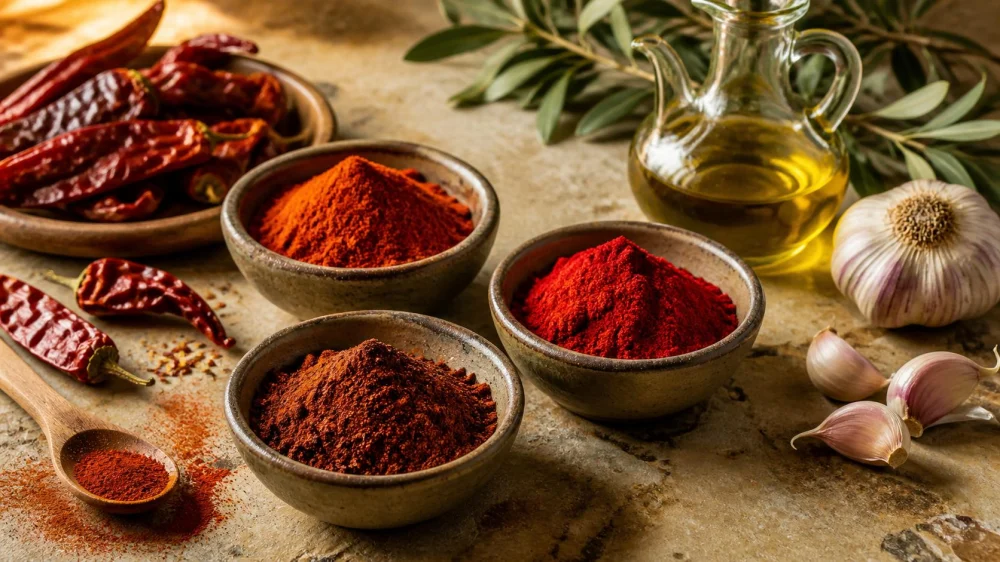
Choose Spanish paprika by two separate questions: heat level and smoke level. “Dulce” is generally sweet or mild, “picante” signals a hotter blend, and “agridulce” usually falls between or offers a bittersweet profile. Pimentón may be smoked or unsmoked depending on the product and region. Read the full label, smell for freshness, and add it briefly over moderate or reduced heat so the spice does not scorch.
This guide helps U.S. shoppers and diners understand common terms. Individual products, recipes, and regional traditions vary, so the package and the cook’s description are the most reliable sources for a specific paprika.
Tablas Woodstone Taverna
Mill CreekSnohomish CountyWashington
15522 Main St, Mill Creek, WA 98012, USA
What Spanish paprika is
Pimentón is a ground red pepper seasoning used for color, aroma, sweetness, warmth, or heat in Spanish cooking. The peppers, drying method, grind, blend, and storage all affect the result.
English-language shops often translate pimentón as Spanish paprika. That is useful, but it does not mean every tin tastes the same. One can be softly sweet and earthy; another can be intensely smoky; another can add noticeable chile heat.
Pimentón appears in many applications, including soups, stews, beans, potatoes, sauces, marinades, rice dishes, vegetables, eggs, seafood, and cured products. Its role may be central or only a background note.

Sweet, hot, and bittersweet styles
- Dulce: usually mild and sweet, useful when color and pepper aroma are wanted without strong heat.
- Picante: hotter, although the intensity varies by pepper blend and producer.
- Agridulce: often translated as bittersweet or medium; it can balance sweetness, warmth, and gentle heat.
These words are categories, not an exact heat scale. Someone sensitive to chile heat should ask the cook or begin with a small amount. A recipe written for dulce may become much hotter if the same volume of picante is substituted.
Color alone does not reliably show heat. A vivid red powder can be mild, and a darker powder may reflect drying or smoking rather than greater spiciness.
Smoked and unsmoked flavor
Some Spanish paprika is smoke-dried, producing aromas that may suggest wood fire, toast, or cured food. Other styles rely more on clean pepper sweetness and sun- or air-dried character. Do not assume “Spanish” always means heavily smoked.
Smoked paprika works well when the dish can support a pronounced smoky note. It can dominate delicate ingredients if used automatically or in large amounts. Unsmoked paprika may be preferable when bright pepper flavor and color should remain clear.
If a recipe only says paprika, consider its other flavors. Strong beans, roasted vegetables, or braises may accept more smoke; a light seafood, egg, or vegetable dish may call for restraint. The intended regional style matters more than a universal pairing rule.
How to read the package
Look for the exact product name, heat descriptor, whether smoking is stated, ingredient list, net quantity, origin information, best-by guidance, storage instructions, and any certification or geographic indication that matters to you. Do not infer protected status from colors or decorative packaging.
Check whether the jar contains only ground pepper or a blend with other ingredients. People managing allergies or dietary restrictions should read the current label rather than relying on the category name.
At a restaurant, ask whether pimentón contributes smoke, heat, or both. Staff may need to confirm with the kitchen, especially when the seasoning is part of a sauce or prepared base.
How to cook with pimentón
- Start with a modest amount. It is easier to add more than to remove smoke or heat.
- Warm the cooking fat or base. Follow the recipe’s sequence for oil, aromatics, tomato, broth, or other ingredients.
- Reduce or control the heat. Stir in pimentón briefly rather than leaving it in very hot fat.
- Add moisture promptly when directed. Broth, tomato, or other liquid can stop dry spice from continuing to toast.
- Taste after the flavors combine. Adjust heat, smoke, salt, and acidity as separate elements.
- Record the product. Heat and smoke vary, so notes make the next batch easier to reproduce.
Scorched paprika can turn harsh or bitter. If the spice burns, adding more liquid may not restore the intended flavor; restarting the base can be the better choice.
Quick selection checklist
- Decide whether the dish needs sweetness, heat, or both
- Choose smoked or unsmoked flavor intentionally
- Read “dulce,” “picante,” or “agridulce” on the actual package
- Check the ingredient and allergen information
- Buy a quantity you can keep fresh
- Use a clean, dry spoon and close the container promptly
- Store according to the package directions away from heat and moisture
- Test a small amount before changing a full recipe
Limitations and important notes
- Heat and smoke intensity differ among peppers, blends, producers, and batches.
- English translations do not capture every regional or product distinction.
- Packaging design does not prove origin, quality, or protected status.
- Ground spices lose aroma over time; follow current storage and quality guidance.
- For allergies or medical dietary restrictions, rely on the current label and qualified advice.
Frequently asked questions
Is all Spanish paprika smoked?
No. Smoking depends on the product and production tradition. Look for explicit label wording or ask the seller.
Is pimentón picante very hot?
It is the hotter category, but intensity varies. Begin with less than a recipe’s full amount when using an unfamiliar product.
Can I replace sweet paprika with smoked paprika?
You can change the flavor, but it is not neutral substitution. The dish will gain smoke, so consider using only part smoked paprika or choosing an unsmoked product.
Why did my paprika taste bitter?
It may have scorched in hot fat, been used too heavily, or lost quality in storage. Add it briefly at controlled heat and follow with moisture when the recipe calls for it.
How should I store pimentón?
Keep it tightly closed and follow the package directions, generally protecting it from heat, light, and moisture. Use a clean, dry spoon.
Sources and evidence notes
This article reflects broad culinary practice and common Spanish labeling terms: separate heat from smoke, read the product label, protect ground spice from heat and moisture, and avoid scorching it during cooking. Exact flavor, protected designation, and recipe use depend on the specific product and regional tradition.
Next steps
Choose one dish and decide whether it needs mild pepper sweetness, chile heat, smoke, or a combination. Compare two packages by heat wording, smoking statement, and ingredient list. Cook a small test portion, record the amount and product, and adjust the next batch based on aroma and balance rather than color alone.
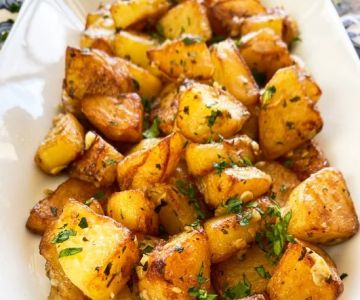
 Boqueria Flatiron4.0 (2233 reviews)
 Latin Deli Restaurant5.0 (3 reviews)
 El Pote Español4.0 (450 reviews)
 Toro Kitchen + Bar4.0 (386 reviews)
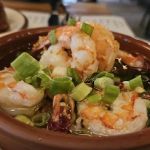 Barcelona Wine Bar4.0 (1027 reviews)
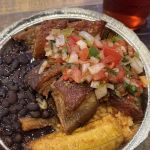 Las Palmas Deli4.0 (225 reviews)
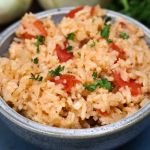 Exploring Spanish Rice Recipes for Weeknight Dinners
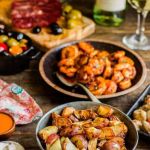 Spanish Mediterranean Dinner Menu Ideas for a Perfect Tapas-Style Evening
 Spanish Dinner Menu with Appetizer and Dessert: A Culinary Guide
 The Best Spanish Restaurants in Phoenix
 How to Make Spanish Tarta de Chocolate y Almendra: Chocolate Almond Cake Recipe
 The Best Spanish Food Tours in Spain: Discover Authentic Culinary Delights