
Patatas Bravas Guide: Crisp Potatoes, Sauce Styles, and Sharing
On this page
Quick answer
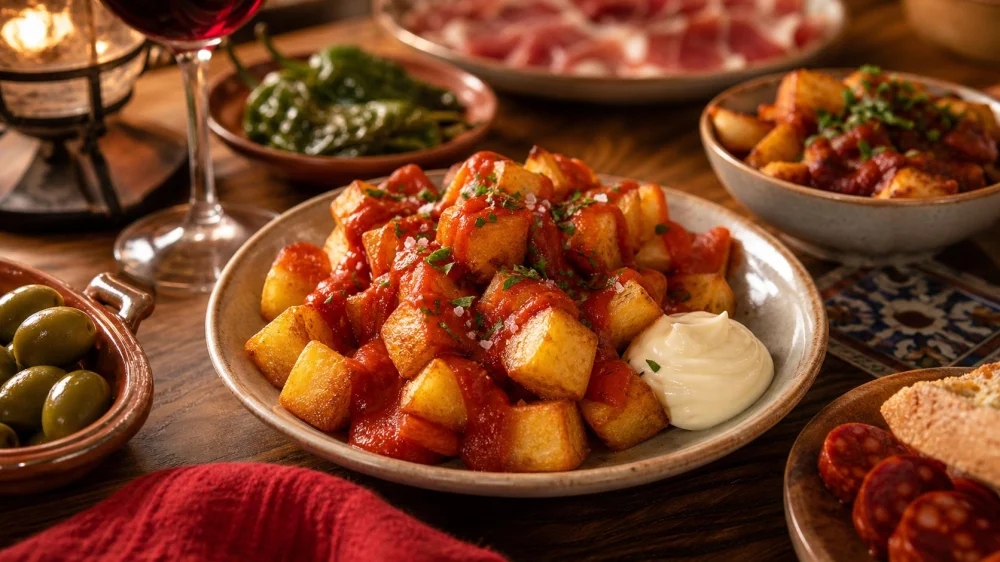
Patatas bravas are bite-size potatoes served with a bold red or orange “brava” sauce, often as a shareable tapa. Expect a crisp or browned exterior, tender center, and a sauce with some combination of chile, paprika, tomato, stock, garlic, vinegar, or olive oil depending on the restaurant and regional inspiration. Some versions add alioli, a pale garlic emulsion.
Ask how spicy the sauce is, whether it comes on top or on the side, and whether the dish contains egg, dairy, gluten, meat stock, or cross-contact from the fryer. Order one plate for the table, taste before adding more sauce, and eat it soon after arrival while the potato surface is still crisp.
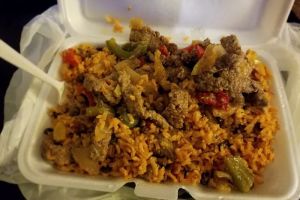
Laberintos De Pasion Restaurant
PhiladelphiaPhiladelphia CountyPennsylvania
3168 G St, Philadelphia, PA 19134, USA
What patatas bravas are
The name connects the potatoes with salsa brava, a spirited or “fierce” sauce. Foods & Wines from Spain describes patatas bravas as potato chunks with spicy red sauce and notes that frying is traditional even though some contemporary recipes bake the potatoes. The dish is widely associated with Madrid and appears across Spain and on Spanish menus abroad.
There is no single restaurant presentation. Potatoes may be cubes, wedges, rounds, or carefully shaped portions. Sauce may cover the plate, be dotted over each piece, arrive underneath, or come separately. A variation can still express the central contrast of hot potato, crisp surface, creamy interior, and assertive sauce.

Look for the potato texture
Good bravas are usually cooked so the interior is soft before the outside is finished at higher heat. Some kitchens parboil, steam, confit, or bake first and then fry or roast. That two-stage idea helps create a creamy center without leaving a hard raw core. Potato variety, cut size, oil temperature, batch size, and holding time all affect the result.
A darker edge is not automatically overcooked, and a pale piece is not necessarily soft. Break one potato open and check the center. If the plate seems undercooked, cold, excessively oily, or stale, tell the server promptly and specifically rather than disguising the problem with extra sauce.
Expect different brava sauce styles
One brava sauce may be tomato-forward, tangy, and bright; another may emphasize paprika, dried chile, stock, garlic, or a smooth flour-thickened texture. Some are vivid red, while others are rust-colored or orange. Smokiness can come from pimentón, the Spanish paprika that may be sweet, bittersweet, or hot.
Restaurant menus sometimes label a chef’s version “bravas” even when the sauce includes a nontraditional ingredient or a regional twist. Read the description and ask what makes that version distinctive. The answer is more useful than assuming every red sauce tastes like ketchup or every dark sauce is very hot.
Understand the alioli question
Alioli or aioli adds garlic, richness, and a cooling visual contrast. Traditional all-i-oli is associated with garlic and oil, while many restaurant versions use egg yolk or prepared mayonnaise to stabilize the emulsion. Other kitchens use milk-based or vegan emulsions. The name alone does not reveal the ingredients.
If you prefer a sharper brava flavor, request alioli on the side. If you like a creamy balance, taste a little of each sauce together. Do not rely on the pale color to determine whether it contains egg or dairy; ask the restaurant when an allergy or dietary rule matters.
Ask about heat instead of guessing
“Brava” suggests a kick, but heat levels range from mild warmth to a strong chile burn. Paprika can provide color and smoky flavor without much heat, while fresh or dried chiles can raise intensity quickly. Servers who know the current preparation can compare it with another menu item or offer sauce on the side.
For a mixed group, order the sauce separately if the kitchen permits. Taste a small amount before coating the potatoes. Bread, other food, or a creamy component may soften the experience more comfortably than drinking alcohol, but someone with a medical sensitivity should rely on ingredient information rather than a heat description.
Order and share the plate
Ask how many people a serving normally feeds and whether it is intended as a tapa, side, or larger ración. One order can anchor an opening round for two to four diners, but portions vary. Use the serving utensil instead of reaching across the plate with a personal fork, and divide the last pieces before ordering more.
When several hot tapas are arriving, ask the server to pace the meal so the potatoes do not sit while the table handles other dishes. If sauce comes underneath, lift rather than stir each piece to preserve some crispness. Share promptly; bravas are less forgiving of a long wait than cured meats, olives, or cheese.
Check allergens and dietary needs
Potatoes, oil, and chile may sound simple, but a restaurant version can contain egg in alioli, dairy in a creamy sauce, wheat as a thickener, or meat stock in salsa brava. Shared fryers can introduce gluten, fish, shellfish, or other cross-contact. Garnishes and seasoning blends can add further ingredients.
Tell the server the specific allergy before ordering and ask the kitchen to confirm ingredients and preparation. “Vegetarian,” “vegan,” and “gluten-free” are separate questions. If the restaurant cannot verify a severe allergy request, choose a dish it can prepare with a clear process rather than trying to remove sauce after plating.
Build a balanced tapas order
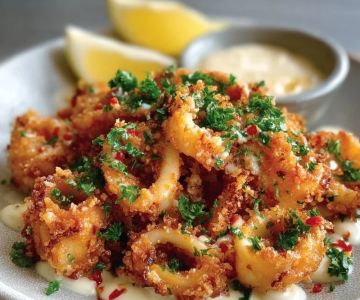
Bravas bring starch, richness, salt, and spice. Balance them with a crisp salad, roasted vegetables, marinated seafood, olives, or a simple tomato dish. Add croquetas, fried calamari, and rich sausage thoughtfully; ordering every fried or creamy plate at once can make flavors feel repetitive.
For drinks, sparkling water and nonalcoholic options work easily. Spanish cider, beer, vermouth, cava, or wine may suit the menu, but pairing depends on the sauce and personal preference. Ask the server for a by-the-glass option and drink responsibly; no alcoholic pairing is required to enjoy the dish.
Enjoy them at their best
Eat bravas soon after serving, when steam still escapes from the center and the exterior has structure. Let the first piece cool enough to avoid a burn. Spread sauce among the potatoes rather than leaving a few pieces overloaded and others dry, unless the chef has composed individual bites.
If you are taking leftovers, ask how quickly the restaurant recommends refrigeration under local food-safety guidance. Reheating in an oven or air fryer may restore more surface texture than a microwave, but store and reheat sauces according to their ingredients. Discard food left at unsafe temperatures rather than judging safety by smell alone.

 Cava4.0 (446 reviews)
 Chaval4.0 (682 reviews)
 Latino's Kitchen4.0 (662 reviews)
 Tablao Wine Bar & Restaurant4.0 (623 reviews)
 La Feria4.0 (1167 reviews)
 Spanish Island Foods4.0 (97 reviews)
 How to Make Spanish Churros with Chocolate Sauce: A Step-by-Step Guide
 Easy Spanish Gazpacho Recipe with Simple Ingredients
 How to Make Spanish Pollo al Chilindrón con Jamón: Chicken with Peppers and Ham
 The Best Spanish Restaurants in Indianapolis for Tapas Nights
 Authentic Spanish Garlic Shrimp with White Wine: A Flavorful Classic Recipe
 Spanish Tapas Recipes for Entertaining at Home: Easy and Authentic Ideas