
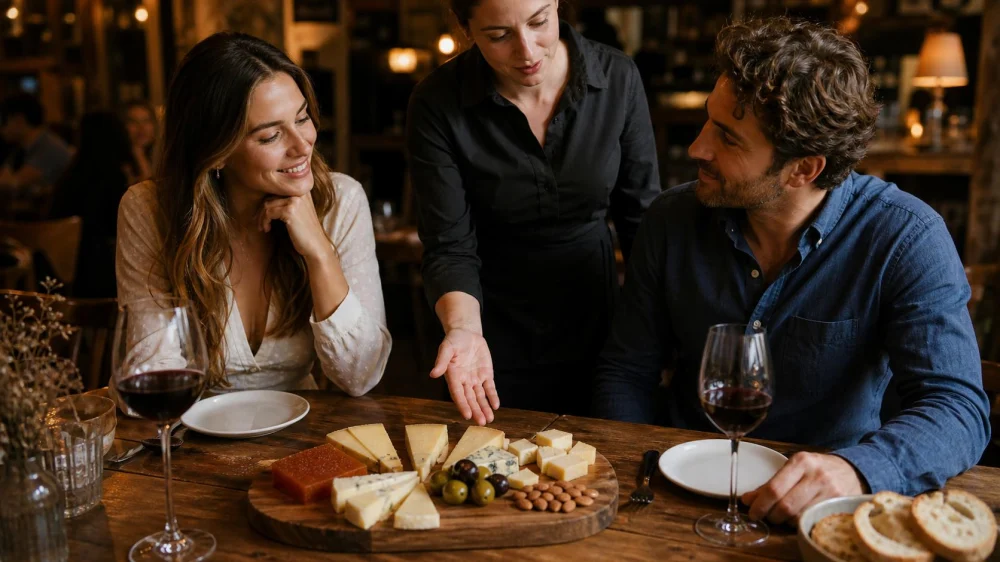
Spanish Cheese Board Guide: Milk, Texture, and Order
Table of contents
Quick answer: Choose a Spanish cheese board by asking about milk type, texture, aging, intensity, rind, accompaniments, and portion size. For a varied tasting, combine a mild or creamy cheese, a firm aged cheese, and one distinctive regional style. Taste from delicate to strong, use bread and fruit pastes sparingly, and tell the restaurant about allergies or dietary restrictions before the board is assembled.

Read the board before ordering
A board may be fixed, customizable, or part of a tapas menu. Ask how many cheeses are included, whether portions are for tasting or sharing, and what accompanies them. This helps prevent over-ordering.
Names can indicate place, milk, style, or designation, but do not fully describe the experience. Ask for texture, intensity, and whether the cheese is young, semi-cured, or mature. “Firm, nutty, and moderately aged” is often more useful than a regional list.
Very cold cheese can seem firmer and less aromatic, while a crowded board can blur flavors. Request separate plates when the group needs them for allergies or easier sharing.

Compare milk and texture
Spanish cheeses may use sheep, goat, cow, or blended milk. Milk influences style but does not predict flavor alone; region, aging, moisture, rind, and method also matter. Not every goat cheese is sharp or every sheep cheese firm.
Use texture as the first organizing tool:
- Fresh or soft: moist, spreadable, or tender cheeses that often feel delicate and milky.
- Supple or semi-firm: sliceable cheeses with enough moisture to remain elastic.
- Firm and aged: denser cheeses that may be nutty, savory, crumbly, or crystalline.
- Blue or washed styles: distinctive cheeses whose aroma or salt can dominate a tasting.
Rinds can be natural, washed, or coated. Ask whether the rind is intended to be eaten and whether a coating should be removed. “Edible” does not mean every diner must enjoy it.
Build a balanced order
For three cheeses, choose contrast rather than three versions of the same idea. Start with a softer, milder option; add a firm aged cheese; then choose a blue, smoky, washed-rind, or strongly regional style if the table enjoys bolder flavors. A larger board can compare milk types or aging stages more deliberately.
Tell the server what else the table ordered. A salty board after cured meat and olives may feel repetitive. Bread, almonds, fruit, and fruit paste should support the cheese rather than cover it.
Ask whether the serving is a small tasting, appetizer, or cheese course. When sharing, confirm that each person can sample every cheese; one wedge divided among a large group may not provide a useful taste.
Taste in a useful sequence
Begin with the mildest and most delicate cheese, then move toward firmer, saltier, smokier, or blue styles. This sequence keeps a powerful cheese from masking a subtle one. The server may suggest a different order based on the actual selection, so ask for the intended progression when the board arrives.
- Look at the paste, rind, moisture, and cut surface.
- Taste a small piece without garnish.
- Notice texture first, then salt, acidity, aroma, and finish.
- Reset with water or plain bread.
- Try a second bite with the suggested accompaniment.
Use clean utensils, especially with soft styles. Cut a balanced portion rather than only the center or rind edge. If a flavor seems wrong, ask the server whether it is typical before dismissing the style.
Handle allergies and preferences clearly
Cheese boards can involve milk, nuts, wheat, sesame, eggs, or other ingredients in bread, crackers, garnishes, sauces, and shared preparation areas. Tell the restaurant about an allergy before ordering and ask about ingredients, cross-contact, shared knives, boards, and fryers where relevant. The FDA's food allergy information explains the major allergens recognized in the United States.
For pregnancy, immune conditions, or other food-safety concerns, do not infer pasteurization or handling from the cheese name. Ask the restaurant for product and handling information, then follow current advice from a qualified healthcare professional or public-health authority. A server can describe the food but should not be expected to make a medical decision.
Frequently asked questions
Is Manchego always the strongest cheese on the board?
No. Manchego varies with aging and producer, and another blue, washed, smoked, or mature cheese may be more intense.
What is quince paste doing on the board?
Its sweetness and dense fruit flavor can contrast with salty or aged cheese. Try the cheese alone first, then add a small amount.
Should cheese come before or after the main course?
Both approaches can work. Ask how the restaurant structures its menu and decide whether the board is an appetizer, shared course, or alternative to dessert.
Can I request only mild cheeses?
Usually, if the board is customizable. Describe the textures and flavors you enjoy instead of relying only on “mild,” which different people interpret differently.
Next steps
Ask the server to name the cheeses in tasting order and briefly describe milk, texture, aging, and intensity. Photograph or note the lineup if permitted, taste each one plain before adding accompaniments, and record the styles the table liked. On a later visit, use those notes to compare a different milk, region, or age rather than ordering the same board by habit.



 Made Kitchen & Cocktails4.0 (579 reviews)
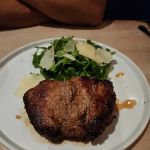 Gabi James4.0 (327 reviews)
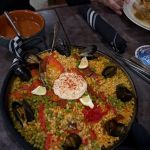 Spanish River Grill & Wine Bar4.0 (179 reviews)
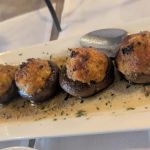 Sangria 714.0 (1123 reviews)
 Condado4.0 (37 reviews)
 Delia Restaurant Inc4.0 (38 reviews)
 How to Make Spanish Merluza a la Vasca con Gambas: Basque-style Hake with Shrimp
 How to Make Spanish Merluza a la Vasca: Basque-style Hake
 A Beginner’s Guide to Cooking Spanish Tortilla de Patatas
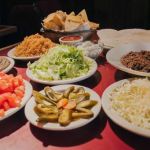 The Best Spanish Restaurants in Detroit for Family Dining Experiences
 Spanish Tapas Recipes for Special Celebrations Made Easy
 Traditional Spanish Seafood with Homemade Sofrito