
What Is Escabeche? A Spanish Menu Guide for Diners
On this page
- Quick answer
- Escabeche defined
- What it tastes and feels like
- How escabeche appears on a menu
- What escabeche is not
- How to decide before ordering
- Build a balanced meal around it
- Escabeche ordering checklist
- Limitations and important notes
- Frequently asked questions
- Sources and evidence notes
- Your next step at the table
Quick answer
Escabeche is a preparation in which cooked fish, meat, or vegetables are seasoned in a tangy mixture usually built around vinegar, oil, aromatics, and spices. On a Spanish menu, expect a bright, savory dish that may be served cool or at room temperature. Ask about the main ingredient, acidity, serving temperature, and allergens because recipes vary widely.
This guide is for diners in the United States who want to understand the term before ordering. It describes common Spanish culinary practice, not one mandatory recipe or a guarantee about how a particular restaurant prepares, stores, or serves its food.
Montanita puerto de Cancun family restaurante bar
MiddletownLower Connecticut River Valley Planning RegionConnecticut
484 Main St, Middletown, CT 06457, USA
Escabeche defined
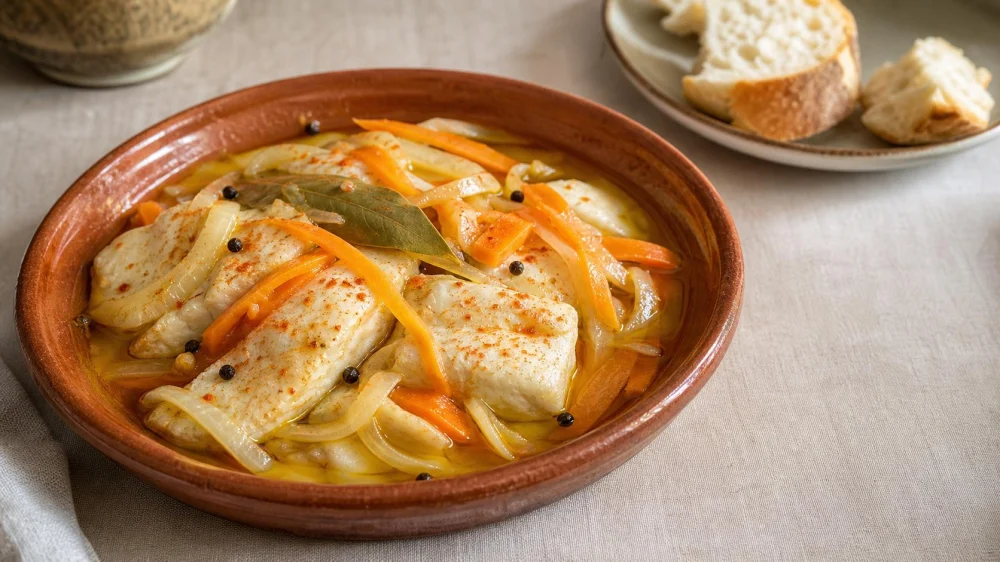
Escabeche is both a cooking method and the seasoned mixture associated with it. The main ingredient is generally cooked first, then rests in a vinegar-forward liquid with oil and aromatics. Bay leaf, garlic, onion, peppercorn, paprika, herbs, or other spices may appear, but there is no single universal formula.
The word names a family of preparations rather than one specific species of fish or one fixed tapa. Spanish regional traditions, household recipes, seasonality, and the chef's style all influence the result. That is why “escabeche” alone does not tell you every ingredient on the plate.
What it tastes and feels like
The clearest flavor cue is acidity. A good description might include tangy, aromatic, savory, lightly oily, and sometimes gently sweet or spicy. The vinegar should be noticeable, but the intensity can range from crisp and sharp to rounded and mellow.
Texture depends on the main ingredient and how long it rests. Firm fish can remain flaky while absorbing the marinade. Mussels may feel tender and briny. Carrots, onions, eggplant, mushrooms, or other vegetables may be soft but still structured. Escabeche is not necessarily crunchy, raw, or hot from the stove.
Choose it when you enjoy pickled flavors, vinaigrettes, preserved vegetables, or bright contrasts with bread and richer foods. It may not be ideal if you strongly dislike vinegar, want a freshly fried texture, or expect a warm entrée.
How escabeche appears on a menu
Fish and seafood
Mackerel, tuna, sardines, mussels, and other seafood can be prepared in escabeche. The menu may name the species first or simply describe “fish in escabeche.” Ask which seafood is being used and whether it contains bones or shells.
Poultry or game
Chicken, partridge, rabbit, and other meats also appear in traditional versions. These may be served as a composed starter, in a salad, or as a more substantial plate. Confirm the portion if you are deciding between sharing and ordering individually.
Vegetables
Vegetable escabeche can feature eggplant, mushrooms, peppers, carrots, onions, or a seasonal combination. Do not assume a vegetable version is vegan: the kitchen may use animal-based stock, garnish, or shared equipment.
Canned or preserved presentations
Spanish restaurants and specialty bars sometimes celebrate high-quality conserved seafood. In that setting, escabeche may arrive from a tin or jar and be presented simply with bread, crackers, or pickles. “Preserved” does not mean inferior; it describes the style and may be central to the experience.
What escabeche is not
Escabeche is often confused with other acidic dishes, but the preparation and dining experience are different.
- Not automatically ceviche: ceviche commonly relies on acid to change the texture of raw seafood, while Spanish escabeche generally begins with a cooked main ingredient.
- Not simply a pickle: it can share the tang of pickling, but it is usually a finished dish or component with oil, aromatics, and a cooked protein or vegetable.
- Not a sauce with one fixed recipe: the word can describe the method, marinade, and completed preparation.
- Not always spicy: pepper and paprika can add warmth, but vinegar tang does not automatically mean chile heat.
- Not always shelf-stable: restaurant escabeche may require refrigeration and controlled storage. Diners should not infer preservation safety from the name.
How to decide before ordering
- Identify the main ingredient. Ask what fish, shellfish, meat, or vegetable is in today's version.
- Confirm the serving style. Find out whether it arrives cool, at room temperature, or warm and whether it is a small tapa or a larger plate.
- Describe your acidity preference. If sharp vinegar is a concern, ask whether the flavor is assertive or mellow.
- Ask about bones, shells, and texture. Whole small fish and shellfish may require a different eating approach than fillets.
- Discuss allergens directly. Name the ingredients you must avoid instead of relying on the dish title.
- Check the accompaniments. Bread, aioli, nuts, dairy, egg, or garnishes can introduce allergens not obvious from “escabeche.”
A useful question is: “What is in your escabeche today, how tart is it, and is it served cold or warm?” That gives the server a practical way to explain the restaurant's own version.
Build a balanced meal around it
Escabeche usually contributes acidity, so pair it with foods that offer contrast rather than more of the same. Bread can absorb the seasoned liquid. Plain potatoes, rice, mild cheeses, or simply grilled vegetables can soften an assertive marinade. A crisp salad can keep the meal light, while a richer tortilla or croquette can create a deliberate bright-versus-creamy contrast.
For a shared meal, order fewer dishes first and add more after seeing portion sizes. If the escabeche is seafood-based, avoid accidentally duplicating the same fish or shellfish in several plates. Ask the restaurant for a nonalcoholic beverage suggestion or wine pairing based on the exact dish rather than assuming every escabeche needs the same drink.
Escabeche ordering checklist
- What is the main fish, shellfish, meat, or vegetable?
- Is it served cool, at room temperature, or warm?
- Is the vinegar flavor sharp, mellow, sweet, or spicy?
- Is the portion meant for one diner or for sharing?
- Does it contain bones, shells, or whole spices?
- What bread, sauce, garnish, or side comes with it?
- Which allergens are in the dish or introduced through shared preparation?
- Would a mild or rich plate balance the rest of the order?
Limitations and important notes
Names on US restaurant menus do not guarantee a standardized recipe. A chef may use “escabeche” for a traditional regional version, a family interpretation, or a contemporary dish inspired by the technique. The menu description and restaurant staff are the best sources for that kitchen's ingredients and service style.
People with food allergies, celiac disease, or dietary restrictions should ask about the full preparation, including marinades, stocks, garnishes, bread, and shared fryers or work surfaces. Acidity does not make improperly handled food safe, and diners should not use smell or taste to evaluate storage safety.
Frequently asked questions
Is escabeche always made with fish?
No. Fish and mussels are familiar examples, but poultry, game, mushrooms, eggplant, and other vegetables can also be prepared in escabeche.
Is escabeche served cold?
It is often served cool or at room temperature, but the restaurant's version may be warm. Ask before ordering if temperature matters to you.
Is escabeche very sour?
Vinegar is a defining element, yet intensity varies. Oil, aromatics, cooking method, and resting time can make the acidity feel sharp or rounded.
Is vegetable escabeche vegan?
Not necessarily. Ask about stock, honey, garnishes, sauces, and shared preparation rather than judging only by the main vegetable.
Can I make restaurant leftovers shelf-stable?
No. Treat leftovers according to the restaurant's handling advice and normal refrigeration guidance. Do not attempt home canning from a restaurant preparation.
Sources and evidence notes
This explanation reflects broad Spanish culinary practice in which cooked foods rest in an acidic, oil-based preparation with aromatics. Regional and modern variations are expected. The distinctions from ceviche and ordinary pickles are practical menu guidance, not rigid legal definitions.
No claim is made about a specific restaurant's recipe, authenticity, allergen controls, storage method, or serving size. Those facts must come from the establishment preparing the dish.
Your next step at the table
When you see escabeche on a menu, identify the main ingredient and ask how that version is served. If you enjoy bright, vinegary flavors, consider it as an opening plate and balance it with one mild or creamy dish. If allergies or dietary rules apply, ask about the complete marinade and accompaniments before ordering.

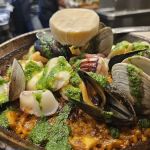 Boqueria W40th4.0 (2909 reviews)
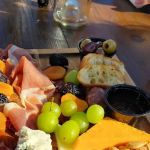 Gaspar’s Restaurant4.0 (20 reviews)
 The Game Changer Jeep Club Restaurant and Bar4.0 (5 reviews)
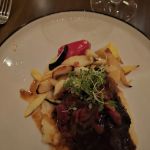 Prado Restaurant4.0 (279 reviews)
 Pepe by Jose Andres3.0 (136 reviews)
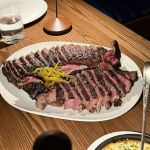 Asador Bastian4.0 (388 reviews)
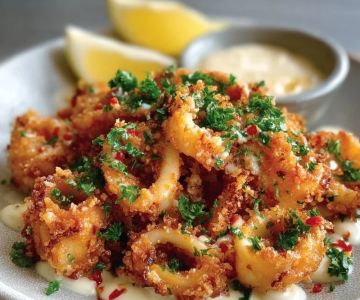
 Spanish Fried Calamari with Lemon Aioli Recipe Guide
 Exploring Spanish Rice Recipes for Weeknight Dinners
 Easy Spanish Rice with Saffron Flavor – Authentic Yet Simple Homemade Recipe
 Spanish Grilled Octopus with Lemon and Sea Salt – Authentic Recipe Guide
 Spanish Mediterranean Recipes for Families | Rubi Spanish Table
 The Best Spanish Restaurants in Raleigh for Tapas Nights and Authentic Paella