
- -Understanding the origins of Authentic Spanish Shrimp and Garlic Sauce in coastal cuisine
- -Essential ingredients that define traditional Spanish garlic shrimp flavor
- -Step-by-step method for building a rich garlic-infused sauce
- -Real cooking story inspired by Spanish coastal households
- -Common mistakes when preparing Spanish shrimp and garlic sauce
- -How Rubi Spanish Table helps recreate authentic Spanish flavors at home
The Culinary Identity Behind Authentic Spanish Shrimp and Garlic Sauce
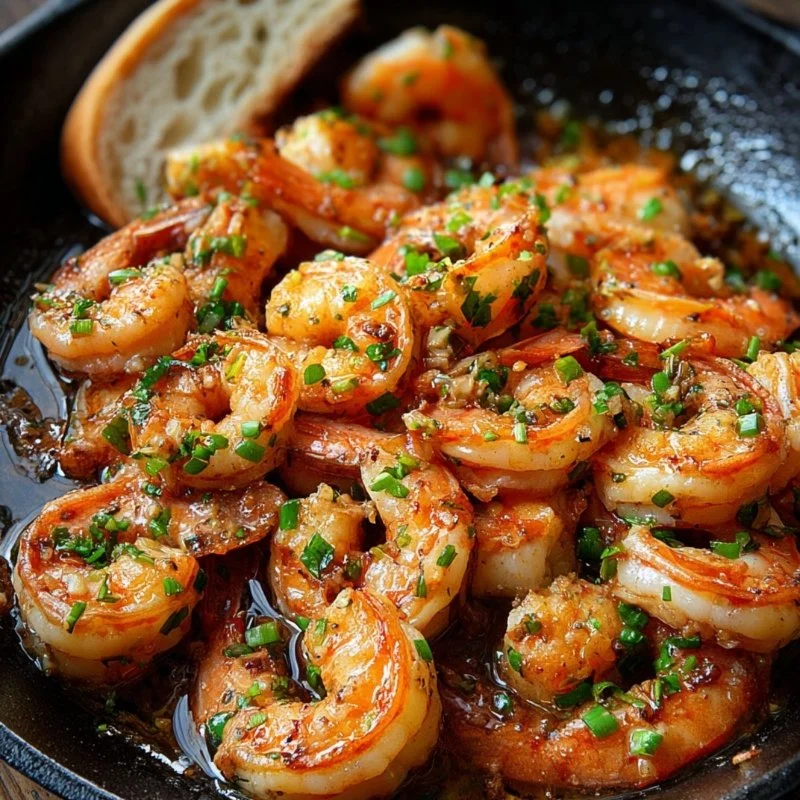
Authentic Spanish Shrimp and Garlic Sauce is one of the most iconic expressions of Spanish coastal cooking, where simplicity meets intensity of flavor. Known closely in Spain as gambas al ajillo, this dish reflects centuries of Mediterranean tradition built around olive oil, fresh seafood, and the unmistakable aroma of garlic slowly infused into heat.
Why this sauce defines Spanish coastal cooking
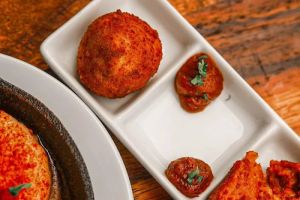
In many Spanish seaside towns, shrimp dishes are not reserved for special occasions. Instead, they are part of everyday life, often served in small tapas portions meant for sharing. The garlic sauce is not just an accompaniment—it is the heart of the dish, carrying both aroma and depth.
The technique behind the sauce is what makes it truly authentic. Rather than relying on heavy cream or complex seasoning blends, Spanish cooking focuses on layering flavors through controlled heat and timing.
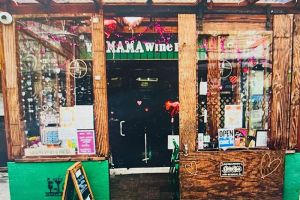
Yes Mama Wine Bar: A Puerto Rican & Spanish Catering Kitchen
44-10 30th Ave., Astoria, NY 11103, USA
The cultural meaning of simplicity in Spanish cuisine
Spanish culinary tradition often embraces minimalism. A dish like garlic shrimp demonstrates how just a handful of ingredients can create something memorable when treated with care. This philosophy is deeply rooted in coastal living, where fresh seafood is abundant and seasoning is used to enhance, not mask, natural flavor.
Essential Ingredients That Shape Authentic Flavor
The success of Authentic Spanish Shrimp and Garlic Sauce depends heavily on ingredient quality. Each component plays a distinct role in building the final taste profile.
Shrimp selection and texture importance
Fresh shrimp with firm texture and natural sweetness are essential. In traditional Spanish kitchens, smaller shrimp are often preferred because they absorb garlic-infused oil more effectively. Frozen shrimp can still be used, but proper thawing and drying are critical to avoid excess water in the sauce.
A home cook from Florida once shared how switching from large frozen shrimp to smaller fresh wild-caught shrimp completely transformed their Spanish garlic shrimp recipe, bringing it much closer to what they experienced in Valencia.
The role of garlic in building the sauce foundation
Garlic is the defining element of the sauce. Thinly sliced garlic slowly releases its natural oils into warm olive oil, creating a fragrant base. The key is controlling heat carefully so the garlic turns golden rather than burnt, which would introduce bitterness.
Olive oil as the structural base
High-quality olive oil is essential because it carries and distributes the garlic flavor evenly throughout the dish. In traditional Spanish cooking, the oil is not just a cooking medium but a core flavor component that defines the sauce’s richness.
Step-by-Step Method for Building Garlic Shrimp Sauce
Creating Authentic Spanish Shrimp and Garlic Sauce requires attention to timing, temperature, and layering. The process is simple in structure but demands precision in execution.
Infusing garlic into olive oil slowly
Start by warming olive oil over low to medium heat. Add thin garlic slices and allow them to gently release aroma without browning. This stage creates the base of the entire sauce, and rushing it can compromise the final flavor.
Adding shrimp at the perfect moment
Once the garlic becomes fragrant, shrimp are added immediately. They cook quickly, turning pink and slightly firm. Overcooking is one of the most common mistakes and leads to a rubbery texture that disrupts the dish’s authenticity.
Creating depth with controlled reduction
A small amount of white wine or seafood broth is often introduced to the pan to lift caramelized flavors. This step creates a light emulsified sauce that binds garlic and shrimp together.
A Real Kitchen Story Inspired by Spanish Coastal Tradition
A food enthusiast from California once described their attempt to recreate Authentic Spanish Shrimp and Garlic Sauce after traveling through southern Spain. Their first few attempts were disappointing, despite following recipes carefully.
The turning point in technique understanding
The breakthrough came when they realized the importance of heat control. Instead of rushing garlic over high heat, they slowed the process significantly. This allowed the garlic to develop sweetness rather than bitterness, dramatically improving the final dish.
This experience highlights a common truth in Spanish cooking: mastery often comes from patience rather than complexity.
Why many home cooks struggle with authenticity
Most beginners focus too heavily on ingredients and not enough on technique. However, Spanish cuisine relies heavily on sensory cues—smell, color, and sound—to guide cooking decisions.
Common Mistakes When Making Garlic Shrimp Sauce
Even experienced cooks can make errors that affect the authenticity of the dish. Understanding these mistakes helps improve consistency.
Overheating garlic too quickly
Burnt garlic is one of the most common issues and results in a bitter flavor that overwhelms the dish. Maintaining low heat during infusion is essential.
Using watery shrimp without drying
Excess moisture from improperly thawed shrimp can dilute the sauce, preventing proper flavor concentration.
Imbalanced oil-to-shrimp ratio
Too little oil prevents proper infusion, while too much can make the dish feel greasy. Balance is key to achieving the traditional texture.
The Role of Tapas Culture in Garlic Shrimp Tradition
Authentic Spanish Shrimp and Garlic Sauce is deeply connected to tapas culture, where food is meant to be shared in small portions alongside conversation and drinks.
Social dining experience in Spanish tradition
Tapas are not just food—they are a social ritual. Garlic shrimp is often served in small sizzling dishes placed at the center of the table, encouraging communal enjoyment.
How tapas philosophy influences cooking style
Because tapas are small and shared, each dish must deliver strong, immediate flavor impact. This is why garlic shrimp relies on bold garlic aroma and rich olive oil infusion.
How Rubi Spanish Table Helps Recreate Authentic Flavor
Rubi Spanish Table provides curated ingredients and culinary inspiration for those looking to recreate traditional Spanish dishes at home. It helps bridge the gap between restaurant-quality flavor and home cooking accessibility.
Whether preparing Authentic Spanish Shrimp and Garlic Sauce or exploring other regional seafood dishes, access to quality ingredients plays a major role in achieving authenticity.
Supporting confidence in Spanish cooking
Many home cooks hesitate to attempt Spanish recipes due to unfamiliar techniques. With structured guidance and quality ingredient access, dishes like garlic shrimp become approachable and rewarding.
Rubi Spanish Table supports this journey by helping cooks understand not just what to cook, but how to think about flavor building in Spanish cuisine.
Mastering the Balance of Simplicity and Depth
The true beauty of Authentic Spanish Shrimp and Garlic Sauce lies in its simplicity. However, simplicity does not mean lack of depth. Instead, it challenges the cook to focus on timing, heat control, and ingredient respect.
Developing cooking intuition over time
With experience, cooks begin to rely less on strict measurements and more on sensory cues. The aroma of garlic, the sound of sizzling oil, and the color of shrimp all become essential indicators.
Why this dish remains timeless
Despite its simplicity, garlic shrimp continues to be a cornerstone of Spanish cuisine because it captures the essence of coastal living—fresh, bold, and unpretentious.
 Boqueria Soho4.0 (2963 reviews)
 Taberna del Alabardero4.0 (1464 reviews)
 Del Patio Restaurant5.0 (8 reviews)
 Brown Sugar Bar & Restaurant4.0 (934 reviews)
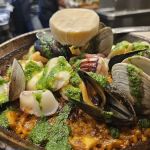 Boqueria W40th4.0 (2909 reviews)
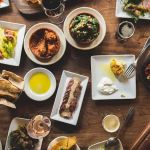 Barcelona Wine Bar4.0 (2362 reviews)
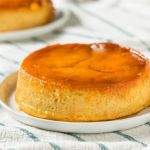 Exploring Spanish Desserts: From Flan to Tarta de Santiago
 How to Make Spanish Merluza a la Vasca: Basque-style Hake
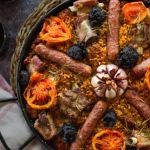 How to Make Spanish Arroz al Horno: Baked Rice with Meat and Vegetables
 Easy Spanish Paella with Chicken Only Recipe for Home Cooks
 Authentic Spanish Chicken Croquettes Recipe Step by Step
 How to Make Spanish Piquillos Rellenos de Queso: Cheese Stuffed Peppers